As a seasoned supplier of pump parts, I've witnessed firsthand the pivotal role that proper installation plays in the performance and longevity of pumps. In this blog post, I'll delve into the installation requirements for various pump parts, sharing insights and best practices based on my years of experience in the industry.
General Installation Considerations
Before diving into the specific requirements for individual pump parts, it's essential to understand some general installation considerations. These apply to all types of pumps and pump parts and form the foundation for a successful installation.
Site Preparation
The first step in any pump installation is to prepare the site. This involves ensuring that the area is clean, level, and free of any debris or obstructions. The site should also have adequate space for the pump and its associated components, as well as easy access for maintenance and repairs.
Alignment
Proper alignment is crucial for the efficient operation of a pump. Misalignment can cause excessive vibration, premature wear and tear, and even pump failure. When installing pump parts, it's essential to ensure that they are correctly aligned with each other and with the motor or driver. This may require the use of alignment tools such as laser alignment systems or dial indicators.
Mounting
Pump parts should be securely mounted to prevent movement or vibration during operation. The mounting surface should be flat and level, and the mounting bolts should be tightened to the manufacturer's specifications. In some cases, vibration isolation mounts may be required to reduce the transfer of vibration to the surrounding structure.
Piping
The piping system that connects the pump to the rest of the system is also an important consideration. The piping should be properly sized, supported, and aligned to ensure efficient flow and minimize pressure drop. It's also important to use the correct type of piping material for the application, taking into account factors such as the fluid being pumped, the operating temperature and pressure, and the corrosiveness of the environment.
Installation Requirements for Specific Pump Parts
Glass-Lined Bowl
The Glass-Lined Bowl is a critical component of many pumps, especially those used in corrosive or abrasive applications. When installing a glass-lined bowl, it's important to handle it with care to avoid damage to the glass lining. Here are some specific installation requirements:
- Inspection: Before installation, carefully inspect the glass-lined bowl for any cracks, chips, or other damage. If any damage is found, the bowl should not be installed and should be returned to the manufacturer for repair or replacement.
- Cleaning: The glass-lined bowl should be thoroughly cleaned before installation to remove any dirt, debris, or contaminants. This can be done using a mild detergent and water, followed by a rinse with clean water.
- Gasket Installation: A gasket is used to seal the glass-lined bowl to the pump casing. The gasket should be made of a material that is compatible with the fluid being pumped and the operating conditions. It should be installed correctly, ensuring that it is properly seated and not pinched or damaged.
- Tightening: The bolts that secure the glass-lined bowl to the pump casing should be tightened evenly and to the manufacturer's specifications. Over-tightening can cause damage to the glass lining, while under-tightening can result in a leak.
Stainless Steel Pump Suction
The Stainless Steel Pump Suction is responsible for drawing fluid into the pump. When installing a stainless steel pump suction, the following requirements should be met:
- Positioning: The pump suction should be positioned correctly to ensure that it is submerged in the fluid being pumped. This helps to prevent cavitation, which can cause damage to the pump impeller and reduce its efficiency.
- Support: The pump suction should be properly supported to prevent movement or vibration during operation. This can be done using brackets or other support structures.
- Connection: The pump suction should be connected to the piping system using the appropriate fittings and gaskets. The connection should be tight and leak-free to prevent air from entering the pump.
- Filtration: In some applications, a filter may be required to prevent debris and other contaminants from entering the pump. The filter should be installed upstream of the pump suction and should be easily accessible for cleaning and maintenance.
Stainless Steel Pump Impeller
The Stainless Steel Pump Impeller is the rotating component of the pump that imparts energy to the fluid being pumped. Proper installation of the pump impeller is essential for the efficient operation of the pump. Here are the installation requirements:

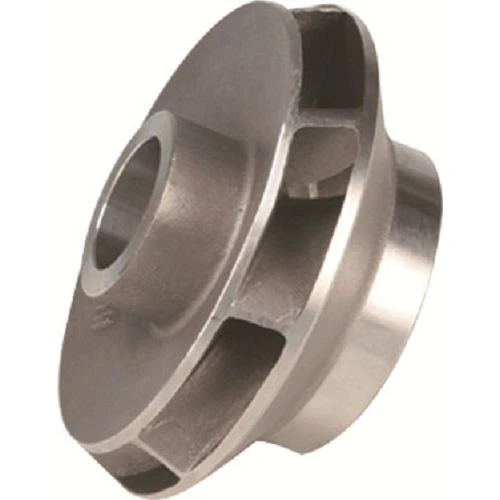
- Inspection: Before installation, carefully inspect the pump impeller for any damage or wear. Check for cracks, chips, or other signs of damage, as well as any signs of wear on the blades or other surfaces.
- Balancing: The pump impeller should be balanced to ensure smooth operation and reduce vibration. This may require the use of a balancing machine to measure and correct any imbalance in the impeller.
- Installation: The pump impeller should be installed correctly on the pump shaft, ensuring that it is properly seated and tightened. The impeller should be aligned with the pump casing to ensure proper clearance and prevent rubbing or interference.
- Clearance: The clearance between the pump impeller and the pump casing is critical for the efficient operation of the pump. The clearance should be set according to the manufacturer's specifications and should be checked and adjusted as necessary during installation.
Conclusion
Proper installation of pump parts is essential for the performance, reliability, and longevity of pumps. By following the installation requirements outlined in this blog post, you can ensure that your pumps operate efficiently and effectively, minimizing downtime and maintenance costs.
If you're in the market for high-quality pump parts or need assistance with pump installation, I invite you to reach out to me. As a trusted supplier of pump parts, I have the expertise and experience to help you find the right parts for your application and ensure a successful installation. Contact me today to discuss your pump part needs and start a conversation about how we can work together to meet your requirements.
References
- Pump Installation and Operation Manuals from Various Manufacturers
- Industry Standards and Guidelines for Pump Installation