Hey there! As a supplier of Sea Water Pump Parts, I've got a ton of knowledge about what makes a seawater pump control system tick. In this blog, I'm gonna break down the key components that keep these systems running smoothly.
1. The Pump Itself
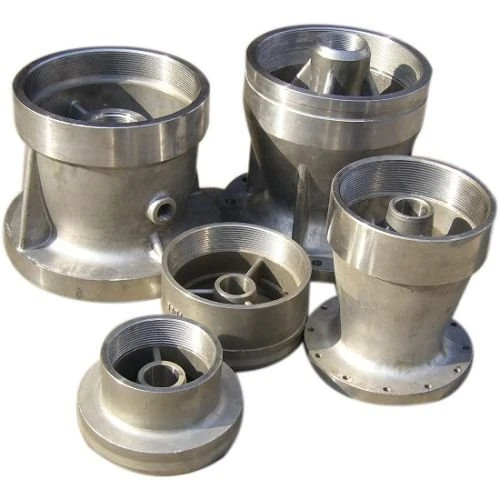
Let's start with the heart of the system - the seawater pump. These pumps are specifically designed to handle the harsh conditions of seawater, which is corrosive and full of debris. There are different types of seawater pumps, like centrifugal pumps and positive displacement pumps.
Centrifugal pumps are the most common type. They work by using an impeller to spin the seawater and create a centrifugal force that pushes the water out of the pump. These pumps are great for high - volume applications, and they're relatively simple in design.
Positive displacement pumps, on the other hand, work by trapping a fixed amount of seawater and then forcing it out of the pump. They're often used when a more consistent flow rate is needed, especially in applications where pressure needs to be maintained.
2. Motor
The motor is what powers the pump. It needs to be powerful enough to drive the pump at the required speed and handle the load. In a seawater pump system, the motor has to be corrosion - resistant because it's often in a wet or humid environment.
There are different kinds of motors, such as AC motors and DC motors. AC motors are more commonly used in industrial applications because they're reliable and can handle high loads. DC motors, on the other hand, are often used in smaller, portable seawater pump systems. The motor also needs to be properly sized for the pump. If it's too small, it won't be able to drive the pump effectively. If it's too large, it'll waste energy and can cause unnecessary wear and tear on the system.
3. Control Panel
The control panel is like the brain of the seawater pump control system. It allows operators to start, stop, and monitor the pump. It also has safety features to protect the pump and the motor from damage.
The control panel usually has a power switch, which is used to turn the pump on and off. It also has indicators that show the status of the pump, such as whether it's running, if there's a fault, or if the motor is overheating. Some advanced control panels can even be programmed to adjust the pump speed based on the demand for seawater.
4. Sensors
Sensors play a crucial role in a seawater pump control system. They provide real - time data about the system's performance and conditions.
One of the most important sensors is the pressure sensor. It measures the pressure of the seawater in the system. If the pressure is too high or too low, it could indicate a problem with the pump or the piping. For example, if the pressure is too low, it might mean that the pump is clogged or there's a leak in the system.
Another important sensor is the flow sensor. It measures the rate at which seawater is flowing through the system. This information is used to ensure that the pump is delivering the right amount of water. Temperature sensors are also used to monitor the temperature of the motor and the pump. If the temperature gets too high, it could cause damage to the components, so the control panel can be programmed to shut down the system in such cases.
5. Valves
Valves are used to control the flow of seawater in the system. There are different types of valves, such as gate valves, ball valves, and check valves.
Gate valves are used to completely open or close the flow of seawater. They're often used in applications where a full - flow or no - flow situation is required. Ball valves are similar, but they're quicker to operate and can provide a more precise control of the flow.
Check valves are very important in a seawater pump system. They allow the seawater to flow in one direction only. This prevents backflow, which can damage the pump and cause other problems in the system. For example, if the pump stops suddenly, the check valve will prevent the seawater from flowing back into the pump and potentially causing water hammer.
6. Piping
The piping in a seawater pump system has to be able to withstand the corrosive nature of seawater. It's usually made of materials like stainless steel, PVC, or fiberglass - reinforced plastic.
The size and layout of the piping are also important. The pipes need to be large enough to handle the flow of seawater without causing too much pressure drop. The layout should be designed to minimize bends and turns, which can also cause pressure drop and reduce the efficiency of the system.
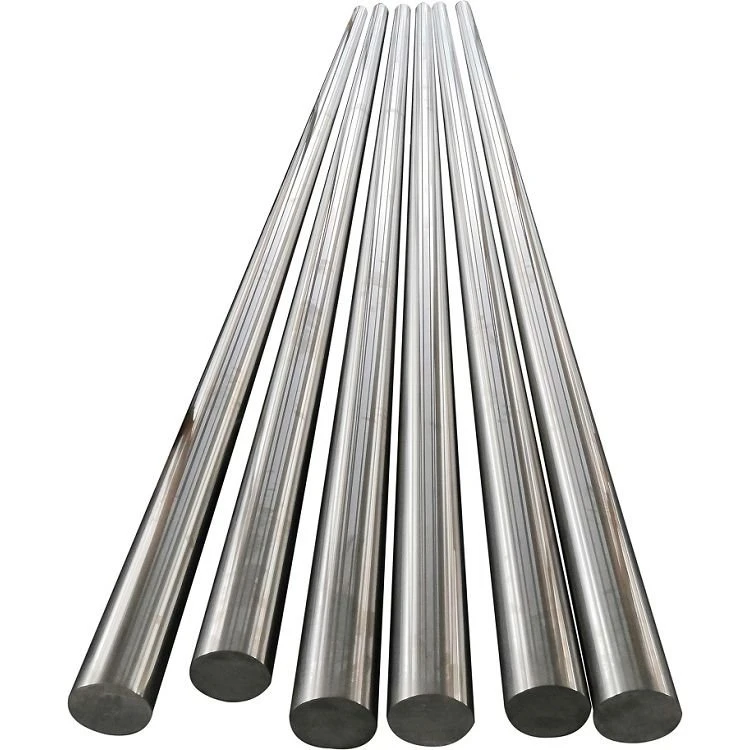
7. Pump Shaft
The pump shaft is a critical component that connects the motor to the impeller. It transfers the power from the motor to the impeller, allowing the pump to function.
The pump shaft has to be strong enough to withstand the torque and stress generated during operation. It also needs to be corrosion - resistant because it's in contact with seawater. In some cases, the pump shaft may have a protective coating to prevent corrosion. If the pump shaft fails, the entire pump will stop working, so it's important to choose a high - quality pump shaft.
Conclusion
So, there you have it - the key components in a seawater pump control system. Each of these components plays a vital role in ensuring that the system operates efficiently and reliably. Whether you're looking to install a new seawater pump system or replace some parts in an existing one, it's important to understand how these components work together.
If you're in the market for high - quality Sea Water Pump Parts, including pump shafts and other essential components, I'm here to help. I can offer you a wide range of parts that are designed to meet the specific needs of your seawater pump system. Don't hesitate to reach out if you have any questions or if you're interested in starting a procurement discussion.
References
- "Seawater Pump Handbook", a comprehensive guide on seawater pump technology and components.
- Industry standards and guidelines for seawater pump control systems published by relevant engineering associations.