Hey there! As a Pump Shaft supplier, I've been in the game for quite a while, and I know how crucial it is to control the key dimensions of a pump shaft during manufacturing. In this blog, I'm gonna share some tips and tricks that I've picked up over the years.
First off, let's talk about why controlling the key dimensions is so important. A pump shaft needs to fit perfectly into the pump housing and other components. If the dimensions are off even by a tiny bit, it can lead to all sorts of problems. For example, it might cause the pump to vibrate excessively, which can wear out the bearings and other parts faster. It could also result in leaks or reduced efficiency. So, getting those dimensions right is like the foundation of a good pump shaft.
One of the first steps in controlling the key dimensions is to have a detailed design. You need to know exactly what the final product should look like, down to the smallest measurement. This means working closely with the engineers and designers. They'll use computer - aided design (CAD) software to create a 3D model of the pump shaft. This model will show all the critical dimensions, like the diameter, length, and the size of any keyways or threads.
Once you have the design, the next step is to choose the right materials. Different materials can behave differently during the manufacturing process. For instance, some metals might expand or contract more than others when they're heated or cooled. You need to take these factors into account when selecting the material. A good quality material that has consistent properties will make it easier to control the dimensions.
Now, let's get into the actual manufacturing process. Machining is a common method for making pump shafts. There are several types of machining operations, such as turning, milling, and grinding.
Turning is often the first step. In turning, the workpiece (the piece of material that will become the pump shaft) is rotated while a cutting tool removes material from the outside. This helps to get the basic shape and diameter of the shaft. To control the dimensions during turning, you need to use high - precision lathes. These lathes are equipped with digital readouts that allow you to set the exact dimensions you want. You also need to use sharp cutting tools. Dull tools can cause the material to be removed unevenly, which can affect the dimensions.
After turning, milling might be used to create features like keyways or flats on the shaft. Milling involves using a rotating cutter to remove material from the surface of the workpiece. Just like with turning, precision is key. You need to set up the milling machine correctly and use the right cutting parameters. This includes things like the speed of the cutter, the feed rate (how fast the workpiece moves), and the depth of cut.
Grinding is another important operation for achieving the final dimensions of the pump shaft. Grinding is used to get a very smooth surface finish and to achieve tight tolerances. A grinding wheel is used to remove a very small amount of material from the surface of the shaft. During grinding, you need to control the speed of the grinding wheel, the pressure applied to the workpiece, and the coolant flow. The coolant helps to keep the workpiece and the grinding wheel cool, which can prevent thermal expansion and ensure more accurate dimensions.
Inspection is an ongoing process throughout the manufacturing of the pump shaft. You can't just rely on the machines to get the dimensions right. You need to regularly measure the shaft using precision measuring tools. Calipers, micrometers, and gauge blocks are some of the common tools used for measuring. These tools allow you to check the diameter, length, and other critical dimensions. If you find that the dimensions are off, you can make adjustments to the manufacturing process right away.
Another aspect to consider is the heat treatment process. Heat treatment can be used to improve the mechanical properties of the pump shaft, such as hardness and strength. However, heat treatment can also cause the shaft to change in size. So, you need to carefully control the temperature and the duration of the heat treatment. You might also need to perform some post - heat - treatment machining to correct any dimensional changes.
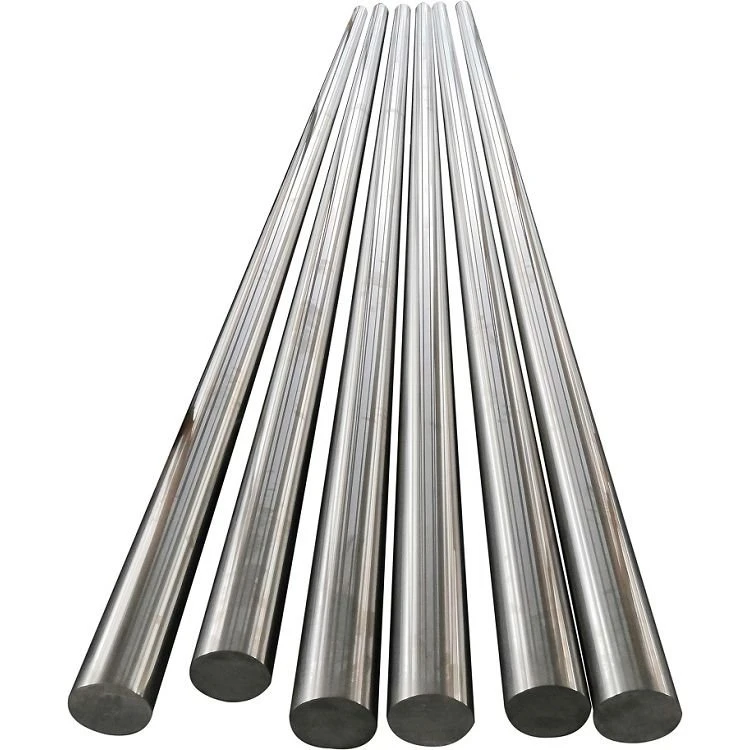
It's also important to have a quality control system in place. This system should include procedures for inspecting the raw materials, the in - process workpieces, and the finished pump shafts. You can use statistical process control (SPC) techniques to monitor the manufacturing process. SPC involves collecting data on the dimensions of the pump shafts and analyzing it to see if the process is in control. If there are any trends or variations in the data, it could indicate a problem with the manufacturing process that needs to be addressed.
In addition to all these technical aspects, having a skilled and experienced workforce is essential. Workers who know how to operate the machines properly and understand the importance of dimensional control are a valuable asset. They can make quick decisions and adjustments when they encounter issues during the manufacturing process.
If you're in the market for high - quality Pump Shaft, look no further. We've got the expertise and the processes in place to ensure that our pump shafts meet the highest standards of dimensional accuracy. And if you're also looking for Sea Water Pump Parts, we can help with that too.
We're always open to discussing your specific requirements. Whether you need a custom - made pump shaft or a large quantity of standard ones, we're here to work with you. Just reach out, and we can start a conversation about how we can meet your needs.
References
- "Manufacturing Engineering and Technology" by Serope Kalpakjian and Steven Schmid
- "Fundamentals of Machining and Machine Tools" by David A. Stephenson and John P. Agapiou