Hey there! As a supplier of pump suction products, I've had my fair share of experience with self - priming pumps. These pumps are pretty cool as they can prime themselves without the need for external priming devices. But like any piece of equipment, they've got their limitations when it comes to suction. Let's dig into it.
1. Suction Lift Limitations
One of the most significant limitations of self - priming pumps for suction is the suction lift. Suction lift refers to the vertical distance from the pump centerline to the liquid source. Self - priming pumps have a maximum suction lift they can handle.
Typically, most self - priming pumps can achieve a suction lift of around 20 - 25 feet (6 - 7.6 meters) under ideal conditions. But in real - world scenarios, factors like altitude, temperature, and the type of liquid being pumped can reduce this lift. At higher altitudes, the atmospheric pressure is lower. Since the pump relies on atmospheric pressure to push the liquid up into the pump, a lower atmospheric pressure means the pump can't lift the liquid as high. For example, if you're using a self - priming pump in a mountainous area, you might find that the effective suction lift is significantly less than the rated value.
The temperature of the liquid also plays a role. When the liquid is hot, its vapor pressure increases. If the vapor pressure gets too high, the liquid can start to vaporize inside the pump, causing cavitation. Cavitation is a big no - no as it can damage the pump impeller and reduce its efficiency. So, if you're trying to pump hot water with a self - priming pump, you'll likely see a reduced suction lift.
2. Viscosity and Suction
Another limitation comes into play when dealing with viscous liquids. Self - priming pumps are generally designed to work best with low - viscosity liquids like water. When you start pumping liquids with higher viscosities, such as oils or syrups, the pump's suction performance takes a hit.
Viscous liquids flow more slowly than low - viscosity liquids. This means that it takes longer for the pump to prime itself and draw the liquid into the pump chamber. In some cases, the pump might not be able to prime at all if the viscosity is too high. The impeller of the pump has to work harder to move the thick liquid, which can lead to increased wear and tear on the pump components.
For instance, if you're using a self - priming pump to transfer a thick lubricating oil, you might notice that the pump takes a long time to start working, and it may not be able to maintain a consistent flow rate. This can be a real problem in industrial settings where a continuous and reliable flow of liquid is essential.
3. Air Entrainment and Suction
Self - priming pumps rely on the ability to remove air from the suction line to create a vacuum and draw in the liquid. However, if there's too much air entrained in the liquid or the suction line, it can cause problems.
Air bubbles in the liquid can disrupt the flow and prevent the pump from priming properly. In some cases, the pump might start to make strange noises or vibrate excessively, which are signs that there's an issue with air entrainment. If the air entrainment is severe, the pump might lose its prime altogether and stop working.
This can be a common problem in applications where the liquid source has a lot of agitation, such as in open tanks or when the liquid is being pumped from a river or a lake. The waves and turbulence in the liquid can cause air to be mixed in, making it difficult for the pump to function correctly.
4. Suction Line Configuration
The configuration of the suction line can also limit the performance of a self - priming pump. A long or narrow suction line can increase the friction loss, which reduces the available suction pressure. If the suction line has too many bends, elbows, or valves, it can further impede the flow of liquid and make it harder for the pump to prime.
For example, if you've got a suction line that's 50 feet long and has several sharp bends, the pump will have to work much harder to draw the liquid through the line. This can lead to a reduced suction lift and a slower priming time. Additionally, any blockages or restrictions in the suction line, such as debris or sediment, can completely stop the flow of liquid and prevent the pump from working.
5. Material Compatibility and Suction
The materials used in the pump and the suction components can also affect the suction performance. Different liquids have different chemical properties, and if the pump materials are not compatible with the liquid being pumped, it can lead to corrosion or other forms of damage.
For example, if you're pumping a corrosive chemical with a pump made of a material that's not resistant to that chemical, the pump components can start to break down. This can not only reduce the pump's efficiency but also cause leaks in the suction line, which can lead to air entrainment and a loss of prime.
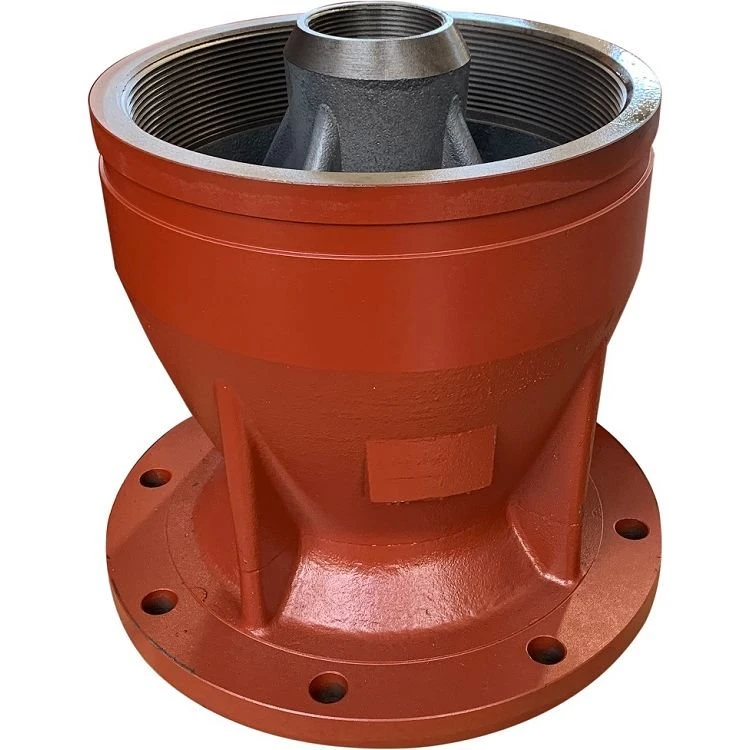
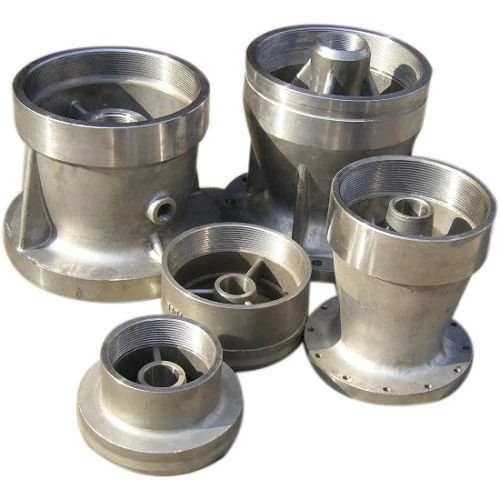
At our company, we offer a variety of pump suction products to address different needs. We have Stainless Steel Pump Suction, which is great for applications where corrosion resistance is important. Stainless steel is durable and can withstand a wide range of chemicals, making it a popular choice for many industrial applications.
We also have Cast Iron Pump Suction, which is more cost - effective and suitable for less corrosive environments. Cast iron is strong and can handle high pressures, but it's not as resistant to corrosion as stainless steel.
If you're in the market for pump suction products and want to learn more about how to overcome the limitations of self - priming pumps, we're here to help. Our team of experts can provide you with the right advice and products to meet your specific requirements. Whether you're dealing with high - altitude applications, viscous liquids, or corrosive chemicals, we've got solutions for you.
Don't hesitate to reach out to us for a consultation. We're always happy to talk about your needs and find the best pump suction solution for your business.
References
- "Pump Handbook" by Igor Karassik et al.
- Various industry - specific technical manuals and guides on pump operation and maintenance.