Hey there! As a supplier of Sea Water Pump Parts, I've seen firsthand how crucial it is to pick the right parts for your sea water pump application. In this blog, I'll share some tips and tricks to help you make the best choice.
Understanding Your Application
First things first, you need to have a clear understanding of your specific application. Sea water pumps are used in a variety of settings, from marine vessels to coastal power plants. Each application has its own unique requirements, so it's important to consider factors like flow rate, pressure, and the type of sea water you'll be dealing with.
Flow Rate
The flow rate is the amount of water that the pump needs to move per unit of time. It's usually measured in gallons per minute (GPM) or cubic meters per hour (m³/h). To determine the right flow rate for your application, think about how much water you need to transfer and how quickly you need to do it. For example, if you're using a sea water pump to cool a large engine on a ship, you'll need a pump with a high flow rate to ensure efficient cooling.
Pressure
Pressure is another important factor to consider. The pressure requirements of your application will depend on things like the height the water needs to be lifted, the distance it needs to be pumped, and any resistance in the piping system. You'll need a pump that can generate enough pressure to overcome these challenges. A pump with insufficient pressure won't be able to move the water effectively, while a pump with too much pressure can cause damage to the system.
Type of Sea Water
Sea water can vary in terms of its salinity, temperature, and the presence of contaminants. These factors can have a significant impact on the performance and lifespan of your pump parts. For example, high salinity can cause corrosion, while contaminants like sand and debris can wear down the pump components. Make sure to choose parts that are designed to withstand the specific conditions of the sea water in your area.
Choosing the Right Pump Parts
Once you have a good understanding of your application, it's time to start looking at the different pump parts. Here are some of the key components you'll need to consider:
Pump Shaft
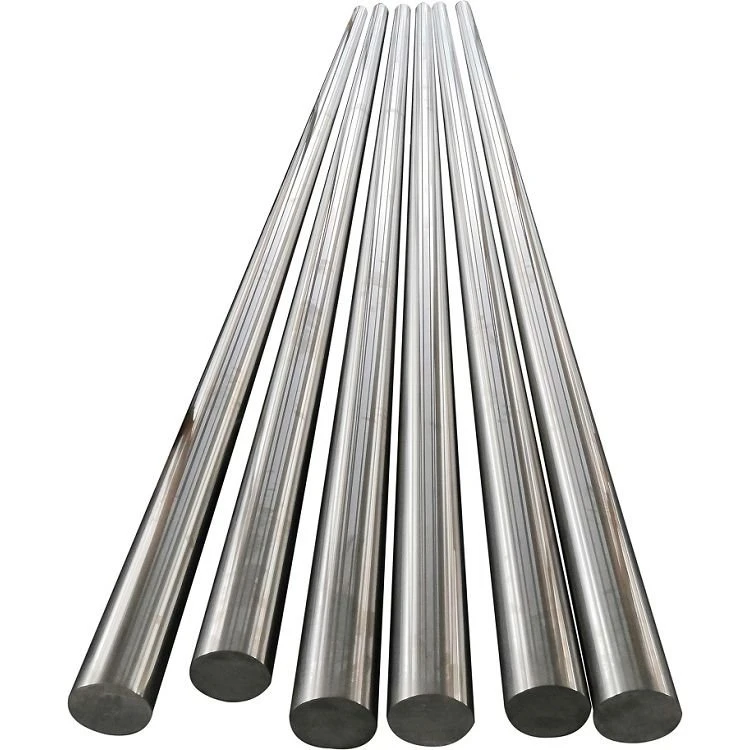
The pump shaft is a critical part of the pump, as it transfers the power from the motor to the impeller. It needs to be strong and durable to withstand the high speeds and forces involved in pumping. When choosing a pump shaft, look for one that is made from high-quality materials, such as stainless steel or alloy steel. These materials are resistant to corrosion and can handle the harsh conditions of sea water.
Impeller
The impeller is the part of the pump that actually moves the water. It consists of a series of blades that rotate at high speed, creating a centrifugal force that draws the water in and pushes it out. The design and size of the impeller will depend on the flow rate and pressure requirements of your application. A larger impeller will generally be able to move more water, but it may also require more power to operate. Make sure to choose an impeller that is specifically designed for sea water applications to ensure optimal performance.
Casing
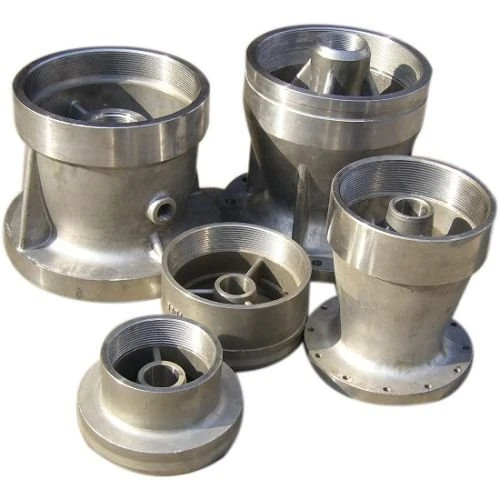
The casing is the outer shell of the pump that houses the impeller and other components. It needs to be strong and leak-proof to prevent water from escaping. When choosing a casing, look for one that is made from a material that is resistant to corrosion, such as fiberglass or stainless steel. The casing should also be designed to minimize turbulence and maximize efficiency.
Seals
Seals are used to prevent water from leaking out of the pump and to keep contaminants from entering. There are several different types of seals available, including mechanical seals and gland packing. Mechanical seals are generally more reliable and require less maintenance, but they can be more expensive. Gland packing is a more traditional option that is less expensive but may require more frequent adjustment and replacement. Make sure to choose seals that are compatible with the type of sea water you'll be dealing with and the operating conditions of your pump.
Quality and Compatibility
When choosing sea water pump parts, it's important to prioritize quality and compatibility. Using low-quality parts can lead to frequent breakdowns, reduced performance, and increased maintenance costs. Make sure to choose parts from a reputable supplier who offers high-quality products that are designed to meet the specific requirements of your application.
In addition to quality, compatibility is also crucial. The parts you choose need to be compatible with each other and with the existing pump system. Using incompatible parts can cause problems like vibration, noise, and premature wear. Before making a purchase, make sure to check the specifications of the parts and consult with a professional if you have any questions.
Maintenance and Support
Once you've chosen the right sea water pump parts, it's important to take proper care of them to ensure optimal performance and longevity. Regular maintenance, such as cleaning, lubrication, and inspection, can help prevent problems and extend the lifespan of the parts. Make sure to follow the manufacturer's recommendations for maintenance and use high-quality lubricants and cleaning products.
In addition to maintenance, it's also important to have access to reliable support. A good supplier should offer technical support and assistance to help you troubleshoot any problems that may arise. They should also be able to provide replacement parts quickly and efficiently in case of a breakdown.
Conclusion
Choosing the right sea water pump parts for your application is a crucial decision that can have a significant impact on the performance and reliability of your pump. By understanding your application, choosing high-quality and compatible parts, and taking proper care of them, you can ensure that your pump operates smoothly and efficiently for years to come.
If you're in the market for sea water pump parts, I'd love to help you find the right solutions for your needs. As a supplier with years of experience in the industry, I can offer you high-quality products, expert advice, and reliable support. Don't hesitate to reach out to me to discuss your requirements and start the procurement process.
References
- "Pump Handbook" by Igor J. Karassik et al.
- "Centrifugal Pumps: Design and Application" by Jack P. Lorenz.
- Industry standards and guidelines for sea water pump applications.