As a seasoned supplier of Pump Control Panels, I've witnessed firsthand the crucial role these systems play in various industrial and commercial applications. A pump control panel is a sophisticated device designed to manage and monitor the operation of pumps, ensuring efficient and reliable performance. In this blog, I'll delve into the main components of a pump control panel, shedding light on their functions and importance.
Power Supply
The power supply is the heart of any pump control panel, providing the necessary electrical energy to operate the panel and the connected pumps. It typically consists of a transformer, circuit breakers, and fuses. The transformer steps down the incoming voltage to a level suitable for the control panel's components, while circuit breakers and fuses protect the system from overcurrent and short - circuit conditions.
A reliable power supply is essential for the continuous operation of the pump. In industrial settings, where pumps may run for extended periods, a stable power source ensures that the pumps do not experience unexpected shutdowns, which could lead to production losses or system failures. For example, in a water treatment plant, uninterrupted power to the pumps is crucial for maintaining the flow of water through the treatment process.
Control Circuitry
The control circuitry is responsible for regulating the operation of the pumps. It includes relays, contactors, and programmable logic controllers (PLCs). Relays are electromechanical switches that can control high - power circuits using low - power signals. They are often used to start and stop the pumps based on certain conditions, such as water level or pressure.
Contactors are similar to relays but are designed to handle higher currents. They are used to connect and disconnect the pumps from the power supply. Programmable logic controllers (PLCs) are more advanced control devices that can be programmed to perform complex control functions. PLCs can monitor multiple input signals, such as temperature, pressure, and flow rate, and make decisions based on pre - programmed logic.
For instance, in a building's HVAC system, a PLC in the pump control panel can adjust the speed of the pumps based on the temperature and pressure sensors in the system. This allows for energy - efficient operation and precise control of the HVAC system.
Monitoring and Protection Devices
Monitoring and protection devices are vital for the safe and efficient operation of the pump control panel. These devices include pressure switches, temperature sensors, and flow meters. Pressure switches are used to monitor the pressure in the pump system. When the pressure reaches a certain setpoint, the pressure switch can send a signal to the control circuitry to start or stop the pump.
Temperature sensors monitor the temperature of the pump motor and other components. Overheating can damage the pump motor, so if the temperature exceeds a safe limit, the temperature sensor can trigger an alarm or shut down the pump. Flow meters measure the flow rate of the fluid being pumped. They can be used to ensure that the pump is operating at the correct flow rate and to detect any blockages or leaks in the system.
In an oil refinery, for example, flow meters in the pump control panel help to ensure that the correct amount of oil is being pumped through the pipelines. Pressure switches and temperature sensors protect the pumps from damage due to abnormal operating conditions.
User Interface
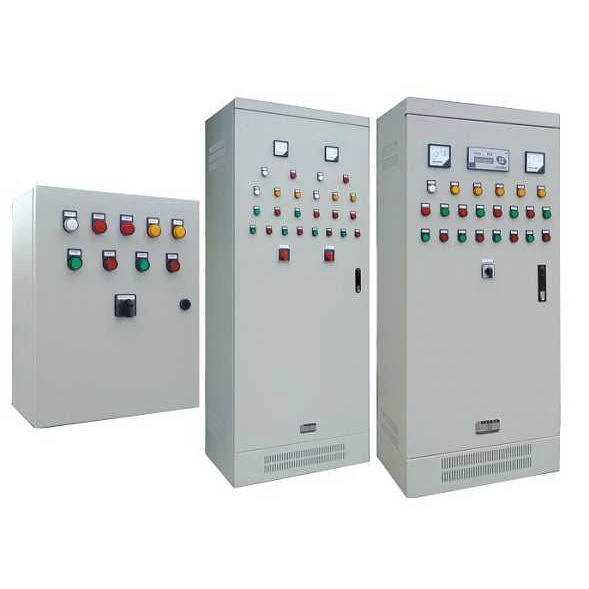
The user interface allows operators to interact with the pump control panel. It can range from simple push - buttons and indicators to more advanced touch - screen displays. Push - buttons are used to start, stop, and reset the pumps, while indicators provide information about the status of the pumps, such as whether they are running or stopped.
Touch - screen displays offer a more intuitive and user - friendly interface. They can display real - time data, such as pressure, temperature, and flow rate, and allow operators to access and modify the control settings. With a touch - screen interface, operators can easily troubleshoot problems and make adjustments to the pump operation.
In a large industrial facility, operators can use the touch - screen user interface in the pump control panel to monitor multiple pumps simultaneously and make quick decisions based on the displayed data.
Enclosure
The enclosure is the physical housing that protects the components of the pump control panel from environmental factors, such as dust, moisture, and mechanical damage. Enclosures are typically made of metal or plastic and are designed to meet specific environmental ratings, such as NEMA or IP ratings.
A well - designed enclosure ensures the long - term reliability of the pump control panel. In outdoor applications, such as in a water pumping station, the enclosure must be able to withstand harsh weather conditions, including rain, snow, and extreme temperatures.
Communication Interface
Modern pump control panels often include a communication interface, which allows the panel to communicate with other devices or systems. This can be a serial communication port, Ethernet port, or wireless communication module.
The communication interface enables remote monitoring and control of the pump system. For example, a facility manager can use a computer or a mobile device to access the pump control panel over the Internet and monitor the pump's performance in real - time. They can also make adjustments to the control settings and receive alerts if there are any problems with the pump.
In a distributed pumping system across multiple locations, the communication interface allows for centralized control and monitoring, improving efficiency and reducing maintenance costs.
Wiring and Connectors
Wiring and connectors are used to connect the various components of the pump control panel. High - quality wiring and connectors are essential for ensuring reliable electrical connections. They must be able to handle the electrical currents and voltages in the system and be resistant to corrosion and mechanical stress.
Proper wiring and connector installation is also crucial. Incorrect wiring can lead to electrical faults, such as short - circuits or ground faults, which can damage the components of the pump control panel and pose a safety hazard.
In conclusion, a pump control panel is a complex system composed of several key components. Each component plays a vital role in the operation, monitoring, and protection of the pumps. As a Pump Control Panel supplier, I understand the importance of providing high - quality components and reliable control panels.
If you are in the market for a pump control panel or have any questions about the components and their functions, I encourage you to reach out. Our team of experts is ready to assist you in selecting the right pump control panel for your specific application and to provide any technical support you may need. We look forward to discussing your requirements and helping you achieve efficient and reliable pump operation.
References
- "Industrial Control Systems Handbook" by Paul A. Laplante
- "Pump Handbook" by Igor J. Karassik, Joseph P. Messina, Paul Cooper, Charles C. Heald