Hey there! As a supplier in the cast iron casting business, I've seen firsthand how crucial rib and boss design rules are in this field. So, today I'm gonna share some insights on what these rules are and why they matter.
Let's start with understanding what ribs and bosses are in cast iron casting. Ribs are thin, flat structures that are added to a casting to increase its stiffness and strength. They act like the bones in our body, providing support and preventing deformation. On the other hand, bosses are cylindrical or conical projections on a casting. They're often used for things like mounting holes, providing a local area of increased thickness for better connection and stability.
Rib Design Rules
Thickness
One of the most important rules for rib design is about thickness. The thickness of the rib should be carefully considered. Generally, the rib thickness should be between 0.5 and 0.7 times the thickness of the adjacent wall. If the rib is too thick, it can cause problems like hot spots during the casting process. Hot spots occur when the molten metal in the thicker part cools slower than the surrounding areas. This can lead to shrinkage defects, such as porosity and cracks, which can seriously affect the quality of the casting.
For example, if you have a wall with a thickness of 10 mm, the rib thickness should be around 5 - 7 mm. This ratio helps to ensure uniform cooling and reduces the risk of defects.
Height and Length
The height and length of the rib also play a significant role. The height of the rib should not be too high compared to its thickness. A good rule of thumb is that the height of the rib should be no more than 3 - 4 times its thickness. If the rib is too tall, it can be difficult for the molten metal to flow into the rib area during casting, leading to incomplete filling or cold shuts.
As for the length, long ribs should be broken up into shorter segments with proper spacing. This helps to prevent warping and cracking due to thermal stress during cooling. You can think of it like building a long bridge. If you build it in one continuous piece, it's more likely to be affected by temperature changes. But if you break it into smaller sections with expansion joints, it can better withstand these stresses.
Placement
The placement of ribs is crucial for maximizing their effectiveness. Ribs should be placed in areas where the casting is likely to experience high stress. For instance, in a Wear Resistant Pump Parts, ribs can be placed around the inlet and outlet areas, where the fluid flow creates high pressure and stress on the casting.
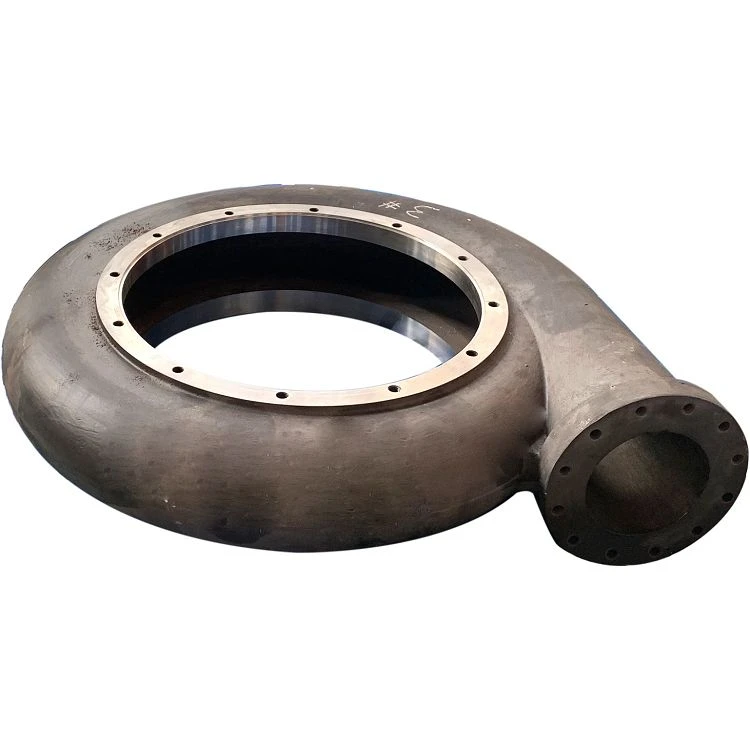
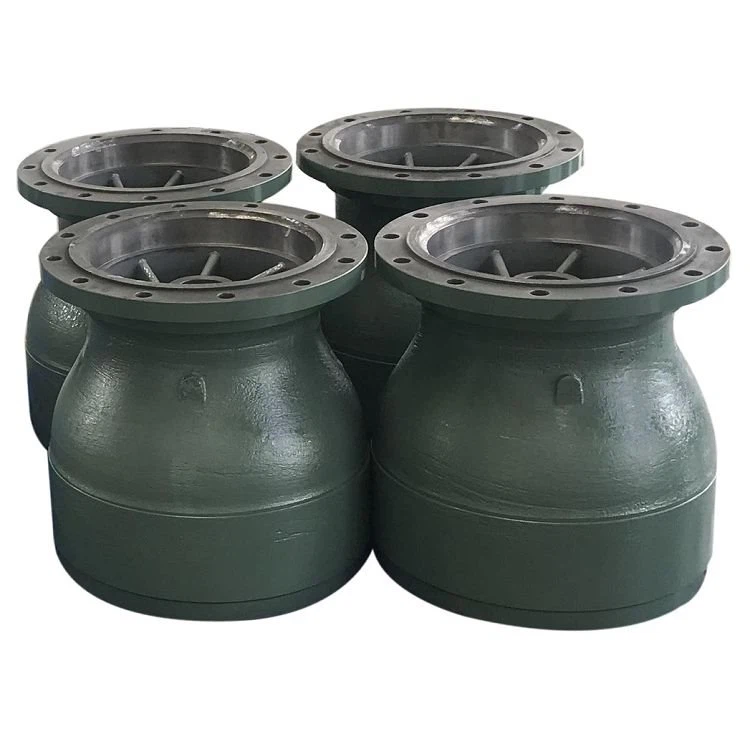
Also, ribs should be arranged in a way that they don't interfere with the flow of molten metal during casting. They should be parallel or at a slight angle to the direction of metal flow to ensure smooth filling of the mold cavity.
Boss Design Rules
Diameter and Height
Similar to ribs, the diameter and height of bosses need to be carefully designed. The diameter of the boss should be related to the size of the hole it will accommodate. A general guideline is that the diameter of the boss should be at least 2 - 3 times the diameter of the hole. This provides enough material around the hole to prevent cracking and to ensure a strong connection.
The height of the boss should be sufficient to provide a stable mounting surface. However, it should not be too high, as this can increase the risk of shrinkage defects. A height of 1 - 1.5 times the diameter of the boss is often a good starting point.
Fillets and Radii
Using fillets and radii at the base of the boss is essential. Fillets are rounded corners that help to reduce stress concentration at the junction between the boss and the casting. Without fillets, the sharp corners can act as stress risers, increasing the likelihood of cracking under load.
A minimum fillet radius of 3 - 5 mm is usually recommended, depending on the size of the boss. This small detail can make a big difference in the strength and durability of the casting.
Location
The location of bosses on the casting should be carefully planned. They should be placed in areas where they won't interfere with the function of the casting or cause problems during the manufacturing process. For example, in a Ductile Iron Casting used for a mechanical part, bosses for mounting should be located in positions that allow easy access for assembly and disassembly.
Why These Rules Matter
Following these rib and boss design rules is not just about making a good-looking casting. It's about ensuring the functionality, reliability, and cost - effectiveness of the final product.
A well - designed rib and boss structure can significantly improve the strength and stiffness of the casting. This means that the casting can withstand higher loads and stresses without deforming or failing. For example, in a Cast Iron Casting for a heavy - duty machine, proper rib and boss design can prevent the casting from cracking under the intense vibrations and forces generated during operation.
Moreover, by following these rules, we can reduce the occurrence of defects in the casting process. Fewer defects mean less scrap and rework, which ultimately leads to cost savings. It also improves the overall quality of the product, which is crucial for customer satisfaction.
Conclusion
In conclusion, rib and boss design rules are fundamental in cast iron casting. As a supplier, I always emphasize the importance of these rules to my customers. Whether you're designing a simple component or a complex industrial part, getting the rib and boss design right can make all the difference.
If you're in the market for high - quality cast iron castings and need expert advice on rib and boss design, don't hesitate to reach out. We're here to help you turn your ideas into reliable and cost - effective products. Let's have a chat and see how we can work together to meet your casting needs.
References
- "Foundry Technology Handbook" by ASM International
- "Casting Design and Quality" by John Campbell