Hey there! As a supplier of Submersible Motors, I often get asked about the difference between constant - speed and variable - speed submersible motors. So, I thought I'd write this blog to clear things up for you all.
Let's start with the basics. A submersible motor is designed to operate while being fully submerged in liquid. It's a crucial part of many pumping systems, like the Submersible Slurry Pump and the Mine Flameproof Submersible Sand Pump. These pumps are used in a variety of industries, from mining to wastewater treatment.
Constant - Speed Submersible Motors
A constant - speed submersible motor, as the name suggests, runs at a fixed speed. Once it's turned on, it maintains a consistent rotational velocity. This type of motor is pretty straightforward and has been around for a long time.
How it Works
Constant - speed motors are usually powered by a single - phase or three - phase AC power supply. The electrical current creates a magnetic field that causes the motor's rotor to turn. Since the frequency of the AC power is constant in most power grids, the motor runs at a set speed. For example, in a 60 - Hz power grid, a four - pole motor will run at approximately 1800 RPM (revolutions per minute).
Advantages
- Simplicity: They're relatively simple in design. There aren't a lot of complex components or control systems. This means they're easier to understand, install, and maintain. If something goes wrong, it's usually easier to diagnose and fix.
- Cost - Effective: Constant - speed motors are generally cheaper to purchase than variable - speed motors. They don't require additional control equipment, like variable frequency drives (VFDs), which can add a significant amount to the cost.
- Reliability: Over the years, constant - speed motors have proven to be reliable workhorses. They can operate continuously for long periods without much trouble, as long as they're properly sized and maintained.
Disadvantages
- Limited Flexibility: They can only run at one speed. This means they're not very adaptable to changing operating conditions. For example, if the demand for water flow in a pumping system decreases, a constant - speed motor will still run at full speed, which can lead to wasted energy.
- Higher Energy Consumption: Since they always run at full speed, they consume more energy than necessary in many situations. This can result in higher electricity bills over time, especially for large - scale applications.
Variable - Speed Submersible Motors
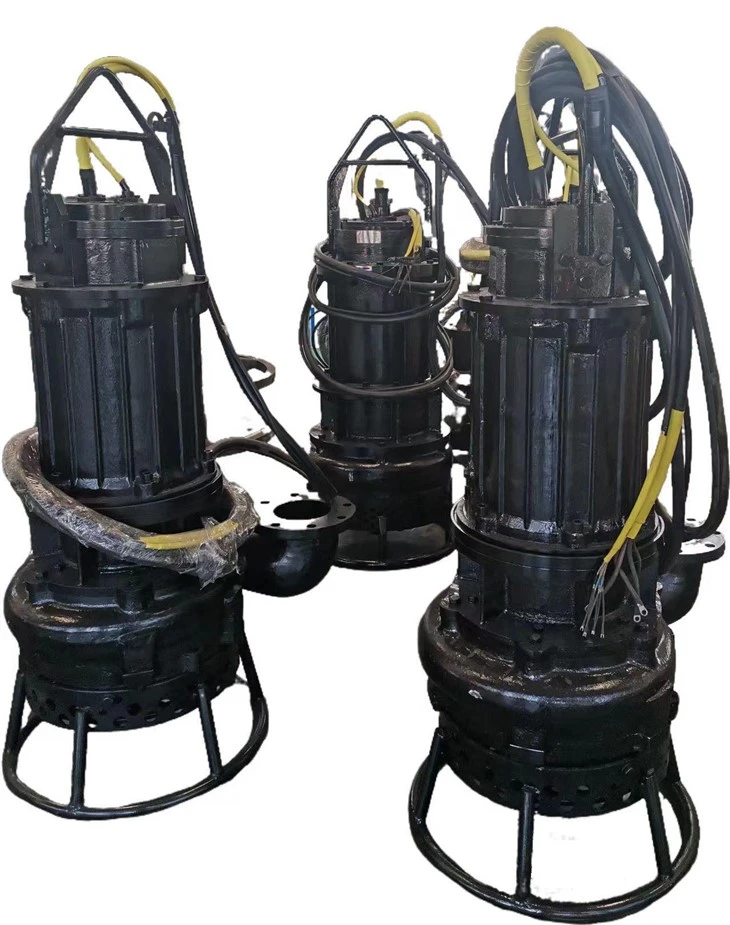
Variable - speed submersible motors, on the other hand, can adjust their speed according to the requirements of the system. They've become more popular in recent years, thanks to advancements in technology.

How it Works
Variable - speed motors are typically controlled by a variable frequency drive (VFD). The VFD takes the incoming AC power and converts it into DC power. Then, it converts the DC power back into AC power with a variable frequency and voltage. By changing the frequency of the AC power supplied to the motor, the VFD can control the motor's speed.
Advantages
- Energy Efficiency: One of the biggest advantages of variable - speed motors is their energy - saving potential. They can adjust their speed to match the actual demand of the system. For example, if the demand for water flow decreases, the motor can slow down, reducing energy consumption. This can lead to significant cost savings over time.
- Better Process Control: They offer more precise control over the pumping system. In applications where the flow rate or pressure needs to be closely regulated, variable - speed motors can provide a more accurate and stable performance.
- Reduced Wear and Tear: Since they can operate at lower speeds when the demand is low, variable - speed motors experience less mechanical stress. This can extend the lifespan of the motor and other components in the pumping system, reducing maintenance costs.
Disadvantages
- Higher Initial Cost: Variable - speed motors, along with their associated VFDs, are more expensive to purchase than constant - speed motors. The additional cost of the VFD can be a significant factor, especially for smaller applications.
- Complexity: They're more complex in design and operation. The VFD requires proper installation, configuration, and maintenance. If something goes wrong with the VFD, it can be more difficult to troubleshoot compared to a constant - speed motor.
Which One Should You Choose?
The choice between a constant - speed and a variable - speed submersible motor depends on several factors.
- Application Requirements: If the pumping system has a relatively constant demand and doesn't require precise control, a constant - speed motor might be sufficient. For example, in a simple water supply system where the demand doesn't vary much, a constant - speed motor can do the job. On the other hand, if the application requires variable flow rates or precise pressure control, a variable - speed motor would be a better choice. For instance, in a wastewater treatment plant where the flow rate can vary throughout the day, a variable - speed motor can adapt to the changing conditions.
- Energy Costs: If energy costs are a major concern, a variable - speed motor is likely to be more cost - effective in the long run, despite the higher initial investment. The energy savings over time can offset the extra cost of the motor and VFD.
- Budget: If you have a limited budget for the initial purchase, a constant - speed motor might be the way to go. However, you should also consider the long - term operating costs.
As a supplier of Submersible Motors, I can help you determine which type of motor is best for your specific application. We offer a wide range of submersible motors, both constant - speed and variable - speed, to meet your needs.
If you're interested in learning more about our products or have any questions about constant - speed and variable - speed submersible motors, feel free to reach out. We're here to assist you in making the right choice for your pumping system. Whether you need a motor for a small - scale residential application or a large - scale industrial project, we've got you covered.
Conclusion
In conclusion, both constant - speed and variable - speed submersible motors have their own advantages and disadvantages. Constant - speed motors are simple, cost - effective, and reliable, but they lack flexibility and can be less energy - efficient. Variable - speed motors, on the other hand, offer better energy efficiency and process control, but they come with a higher initial cost and more complexity.
When choosing a submersible motor, it's important to consider your specific application requirements, energy costs, and budget. If you're not sure which type of motor is right for you, don't hesitate to contact us. We have the expertise and experience to help you make an informed decision.
If you're looking to purchase a submersible motor, we'd love to have a chat with you. Just get in touch, and we can discuss your needs in detail and find the perfect solution for your pumping system.
References
- “Electric Motors and Drives: Fundamentals, Types and Applications” by Austin Hughes and Bill Drury.
- “Pump Handbook” by Igor J. Karassik et al.