When it comes to handling pump impellers, safety is of utmost importance. As a trusted pump impeller supplier, we understand the critical role that proper safety precautions play in ensuring the well - being of workers and the longevity of the equipment. In this blog post, I will share some essential safety measures that should be followed during the handling of pump impellers.
Pre - handling Preparations
Before you start handling pump impellers, it is essential to conduct a thorough risk assessment. Identify potential hazards such as sharp edges on the impeller, heavy weight, and the possibility of the impeller being unbalanced. This will help you develop appropriate safety strategies.
Personal protective equipment (PPE) is non - negotiable. Workers should wear safety goggles to protect their eyes from any flying debris or particles that may be dislodged during handling. Gloves are also necessary; they not only provide a better grip on the impeller but also protect the hands from cuts and abrasions. Steel - toed boots are required to safeguard feet from any accidental drops of the impeller.
Inspect the impeller carefully. Look for signs of damage, such as cracks or chips. A damaged impeller can be a safety hazard as it may break apart during handling or operation. If any damage is detected, do not attempt to handle the impeller without proper authorization and repair procedures.
Lifting and Moving
Pump impellers can be quite heavy, especially larger ones. Therefore, using proper lifting equipment is crucial. Cranes, hoists, or forklifts should be used for lifting impellers, depending on their size and weight. Ensure that the lifting equipment is in good working condition and has been recently inspected.
When attaching the lifting device to the impeller, use appropriate slings or hooks. The attachment points on the impeller should be strong enough to support the weight. Make sure that the load is evenly distributed to prevent the impeller from tipping or swinging during lifting.
During the moving process, clear the path of any obstacles. This includes removing tools, debris, or other equipment that could cause tripping hazards. Workers should also be trained in proper lifting techniques, such as keeping their backs straight and using their legs to lift, to avoid back injuries.
Installation and Removal
When installing or removing a pump impeller, it is important to follow the manufacturer's instructions precisely. This includes the correct use of tools and the proper torque specifications for bolts and nuts.
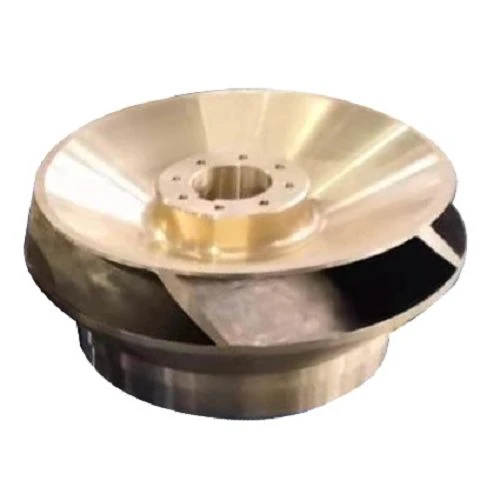
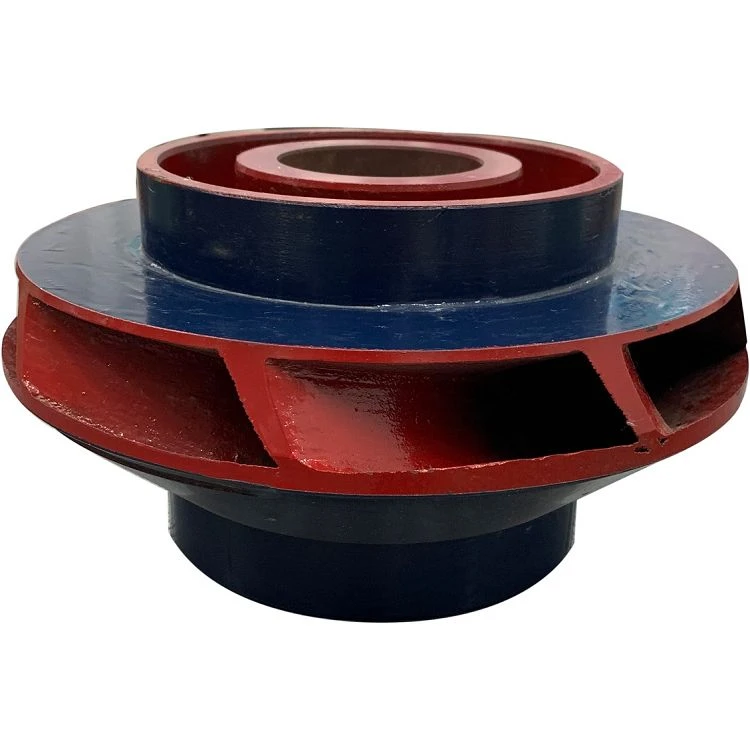
If the impeller is being removed from a pump, ensure that the pump is completely shut down, and the power supply is disconnected. This prevents accidental startup, which could lead to serious injuries. Lock - out/tag - out procedures should be employed to ensure that the equipment remains in a safe state during the maintenance process.
When installing a new impeller, align it correctly with the pump shaft. Misalignment can cause excessive vibration, which may not only damage the impeller but also pose a safety risk to the operating personnel. Use precision measurement tools to verify the alignment.
Maintenance and Storage
Regular maintenance of pump impellers is essential for their safe operation. This includes cleaning the impeller to remove any dirt, debris, or corrosion that may affect its performance. However, when cleaning, make sure to use appropriate cleaning agents that are safe for the impeller material.
For example, Cast Iron Pump Impeller may require different cleaning methods compared to Stainless Steel Pump Impeller or Bronze Pump Impeller.
When storing pump impellers, keep them in a dry and clean environment. Protect them from physical damage and corrosion. Use proper storage racks or containers to prevent the impellers from falling or being damaged by other objects.
Chemical and Environmental Considerations
Pump impellers may come into contact with various chemicals during their operation. If the impeller is handling corrosive chemicals, ensure that the material of the impeller is compatible with the chemical. For instance, a bronze impeller may be suitable for certain chemical applications, while a stainless - steel impeller may be better for others.
In addition, consider the environmental conditions where the impeller is operating. High - temperature or high - humidity environments can affect the integrity of the impeller. Take appropriate measures to protect the impeller, such as using insulation or ventilation systems.
Training and Education
All workers involved in handling pump impellers should receive comprehensive safety training. This training should cover all aspects of impeller handling, including risk assessment, PPE use, lifting and moving procedures, installation and removal, maintenance, and chemical and environmental considerations.
Regular refresher courses should be provided to ensure that workers stay updated on the latest safety practices. Encourage workers to report any safety concerns or near - misses immediately to prevent accidents from occurring.
Conclusion
Handling pump impellers safely is a multi - faceted process that requires careful planning, proper equipment, and well - trained personnel. By following the safety precautions outlined in this blog post, you can significantly reduce the risk of accidents and ensure the smooth operation of your pumps.
If you are in the market for high - quality pump impellers, whether it's a Cast Iron Pump Impeller, Stainless Steel Pump Impeller, or Bronze Pump Impeller, we are here to help. We offer a wide range of pump impellers designed to meet the highest safety and performance standards. Contact us today to discuss your specific requirements and start a successful procurement process.
References
- ASME B73.1 - 2015, “Vertical In - line Centrifugal Pumps for Chemical Process”.
- OSHA Standards for General Industry.
- Manufacturer's Manuals for Pump Impellers and Related Equipment.