As a seasoned supplier of sea water pumps, I've witnessed firsthand the critical role these pumps play in various industries, from marine applications to coastal power plants. However, the use of sea water pumps comes with its own set of challenges and safety risks due to the harsh nature of sea water and the demanding operating conditions. In this blog post, I'll share some essential safety precautions that should be taken when using a sea water pump.
1. Pre - installation Safety Checks
Before installing a sea water pump, it's crucial to conduct a series of safety checks. First, carefully inspect the pump for any visible damage during transportation. Look for cracks in the casing, bent shafts, or loose connections. Any signs of damage should be reported immediately to the manufacturer or supplier.
Secondly, ensure that the installation site is suitable. The area should be well - ventilated to prevent the build - up of fumes, especially if the pump is powered by a combustion engine. The ground should be level and stable to avoid vibrations that can lead to premature wear and tear of the pump components.
When it comes to electrical pumps, make sure that the electrical supply is appropriate for the pump's requirements. Check the voltage, amperage, and grounding. Faulty electrical connections can not only damage the pump but also pose a serious electrocution hazard.
2. Personal Protective Equipment (PPE)
Proper PPE is a must when working with sea water pumps. Operators should wear safety goggles to protect their eyes from splashes of sea water, which can be corrosive and may contain harmful microorganisms. Gloves are also essential to prevent skin contact with sea water and any chemicals that may be used in the pump system, such as anti - fouling agents.
In addition, depending on the working environment, operators may need to wear ear protection if the pump is noisy, and steel - toed boots to protect their feet from heavy objects or sharp edges.
3. Chemical and Corrosion Risks
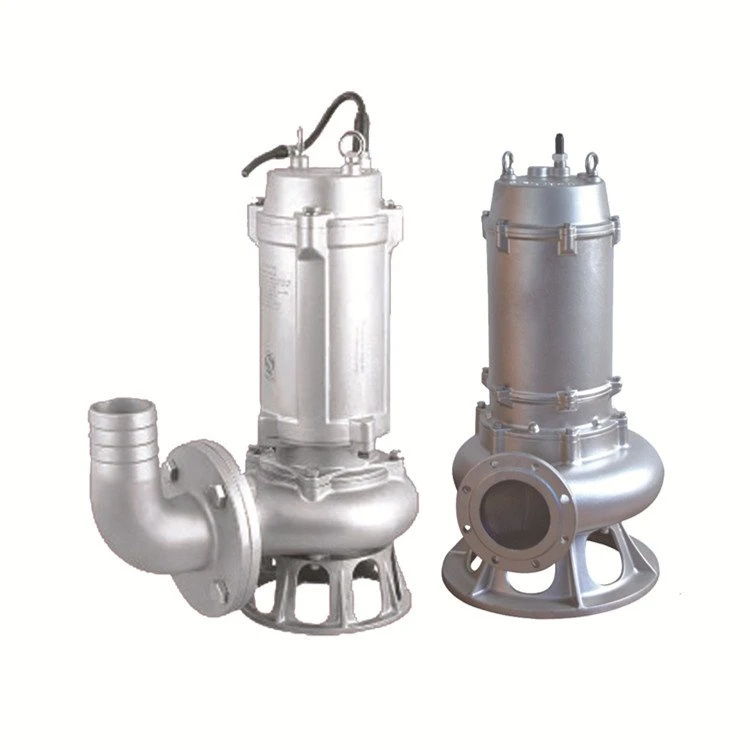
Sea water is highly corrosive due to its high salt content. This can lead to the deterioration of pump components over time. To mitigate this risk, it's important to use pumps made from corrosion - resistant materials. For example, our Submersible Sea Water Pump is constructed with high - grade stainless steel and other corrosion - resistant alloys to ensure long - term durability.
Regularly monitor the chemical composition of the sea water being pumped. In some cases, it may be necessary to add anti - corrosion chemicals to the system. However, these chemicals should be handled with extreme care. Follow the manufacturer's instructions precisely when adding chemicals, and always store them in a safe place away from heat, open flames, and incompatible substances.
4. Maintenance and Inspection
Routine maintenance and inspection are key to ensuring the safe operation of a sea water pump. Regularly check the pump's seals for leaks. A leaking seal can not only reduce the pump's efficiency but also allow sea water to seep into areas where it can cause damage or pose a safety risk.
Inspect the impeller for signs of wear or damage. A damaged impeller can cause the pump to vibrate excessively, which may lead to further damage to the pump and other components in the system. Replace any worn - out parts promptly with genuine replacement parts from the manufacturer.
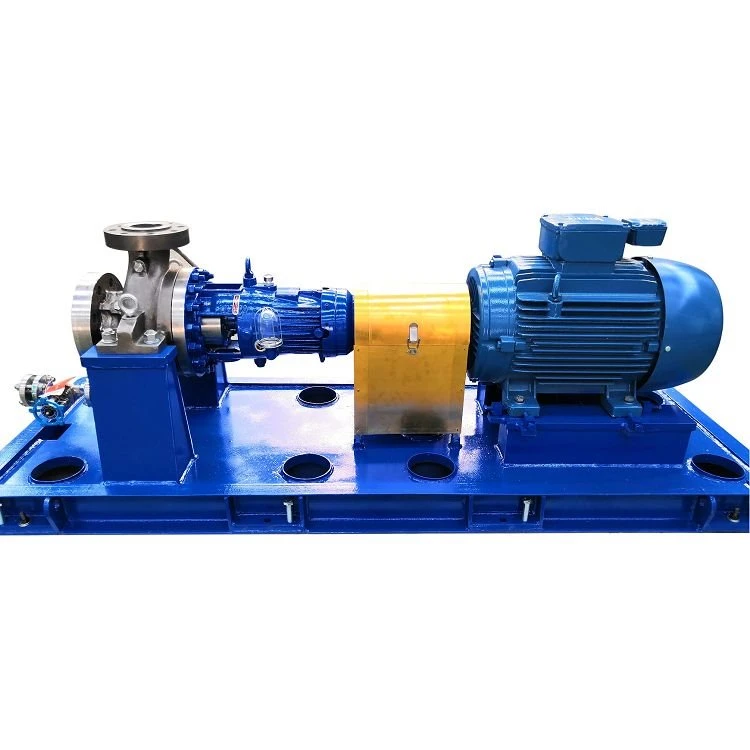
Clean the pump regularly to remove any debris, marine growth, or sediment that may accumulate. This can help prevent blockages and ensure smooth operation. Our Centrifugal Sea Water Pump is designed for easy cleaning and maintenance, which reduces downtime and enhances safety.
5. Operating Procedures
Establish and follow strict operating procedures for the sea water pump. Start the pump slowly to avoid sudden pressure surges, which can damage the pump and the piping system. Monitor the pump's operating parameters, such as pressure, flow rate, and temperature, during operation. Any abnormal readings should be investigated immediately.
When shutting down the pump, follow the proper sequence to prevent water hammer, which is a pressure surge that can occur when the flow of water is suddenly stopped. This can cause damage to the pump, valves, and pipes.
6. Emergency Preparedness
Despite taking all the necessary precautions, emergencies can still occur. Have an emergency response plan in place. This plan should include procedures for dealing with pump failures, leaks, and electrical problems. Train all operators on the emergency response plan so that they know what to do in case of an emergency.
Keep a first - aid kit readily available at the pump site. In case of an injury, such as a cut from a sharp edge or an exposure to chemicals, immediate first - aid can make a significant difference in the outcome.
7. Training and Education
Proper training of operators is essential for the safe use of sea water pumps. All operators should receive comprehensive training on the pump's operation, maintenance, and safety procedures. This training should be updated regularly to keep up with any changes in the pump's design or operating conditions.
Provide operators with access to technical manuals and other resources so that they can refer to them when needed. Encourage operators to ask questions and report any safety concerns.
8. Environmental Considerations
When using a sea water pump, it's important to consider the environmental impact. Avoid releasing any harmful chemicals or pollutants into the sea. If the pump is used for desalination or other processes that produce waste, ensure that the waste is disposed of properly according to environmental regulations.
9. Documentation
Keep detailed records of the pump's installation, maintenance, and operation. This documentation can be useful for troubleshooting, warranty claims, and ensuring compliance with safety standards. Records should include dates of maintenance, replacement of parts, and any operating issues that have occurred.
10. Risk Assessment
Conduct regular risk assessments for the sea water pump system. Identify potential hazards and evaluate the likelihood and consequences of each hazard. Based on the risk assessment, implement additional safety measures if necessary.
In conclusion, the safe use of a sea water pump requires a comprehensive approach that includes proper installation, the use of PPE, regular maintenance, strict operating procedures, emergency preparedness, training, and environmental considerations. By following these safety precautions, you can ensure the reliable and safe operation of your sea water pump.
If you're in the market for a high - quality sea water pump, we're here to help. Our team of experts can assist you in selecting the right pump for your specific needs and provide you with all the support you need for its safe and efficient operation. Contact us today to start a procurement discussion and take the first step towards a reliable sea water pumping solution.
References:
- "Marine Engineering Handbook" by Robert Carlton
- "Pump Handbook" by Igor Karassik