Safety Precautions When Using a Submersible Motor
As a supplier of submersible motors, I understand the importance of safety when it comes to operating these powerful machines. Submersible motors are widely used in various industries, including mining, construction, and water treatment, to drive pumps and other equipment in submerged environments. However, improper use of submersible motors can lead to serious accidents, including electric shock, fire, and mechanical failure. In this blog post, I will discuss some of the key safety precautions that should be taken when using a submersible motor.
Pre - Installation Safety Checks
Before installing a submersible motor, it is crucial to conduct a series of safety checks. First, ensure that the motor is suitable for the intended application. Consider factors such as the power requirements, the type of liquid it will be submerged in (e.g., clean water, slurry), and the environmental conditions. For example, if you are working in a mining environment, a Mine Flameproof Submersible Sand Pump might be more appropriate to prevent potential explosions.
Inspect the motor for any visible damage. Check the housing for cracks, the cables for cuts or abrasions, and the electrical connections for looseness. Any damaged parts should be replaced before installation. Additionally, verify that the power supply matches the motor's specifications. Incorrect voltage or frequency can cause the motor to overheat or malfunction, posing a significant safety risk.
Installation Safety
Proper installation is key to the safe operation of a submersible motor. Follow the manufacturer's installation instructions carefully. The motor should be installed in a stable and level position to prevent vibrations that could lead to mechanical stress and premature failure. Use appropriate lifting equipment when handling the motor to avoid injuries.
Ensure that the motor is properly grounded. Grounding provides a path for electrical current in case of a short - circuit, protecting the operator from electric shock. The grounding conductor should be of the correct size and securely connected to the motor and the grounding system.
When connecting the motor to the power supply, use insulated tools and wear appropriate personal protective equipment (PPE), such as rubber gloves and safety shoes. Make sure all electrical connections are tight and free of corrosion. Loose connections can generate heat, which may lead to a fire.
Operating Safety
During operation, it is essential to monitor the motor closely. Check the motor's temperature regularly. An overheating motor can indicate a problem, such as a blocked impeller or a malfunctioning cooling system. If the motor overheats, shut it down immediately and investigate the cause.
Do not operate the motor in a liquid that contains flammable or explosive substances, unless the motor is specifically designed for such environments. In addition, avoid operating the motor in water with a high concentration of abrasive particles for an extended period, as this can cause excessive wear on the motor components.
Keep the area around the motor clear of debris and obstacles. This not only ensures proper ventilation but also reduces the risk of tripping hazards. If the motor is installed in a confined space, ensure that there is adequate ventilation to prevent the buildup of harmful gases.
Maintenance Safety
Regular maintenance is necessary to keep the submersible motor in good working condition. However, maintenance should only be carried out when the motor is completely shut off and disconnected from the power supply. Lockout - tagout procedures should be followed to prevent accidental startup.
When performing maintenance tasks, such as cleaning the motor or replacing parts, use the correct tools and follow the recommended procedures. For example, when removing the motor from the pump, be careful not to damage the seals or other components.

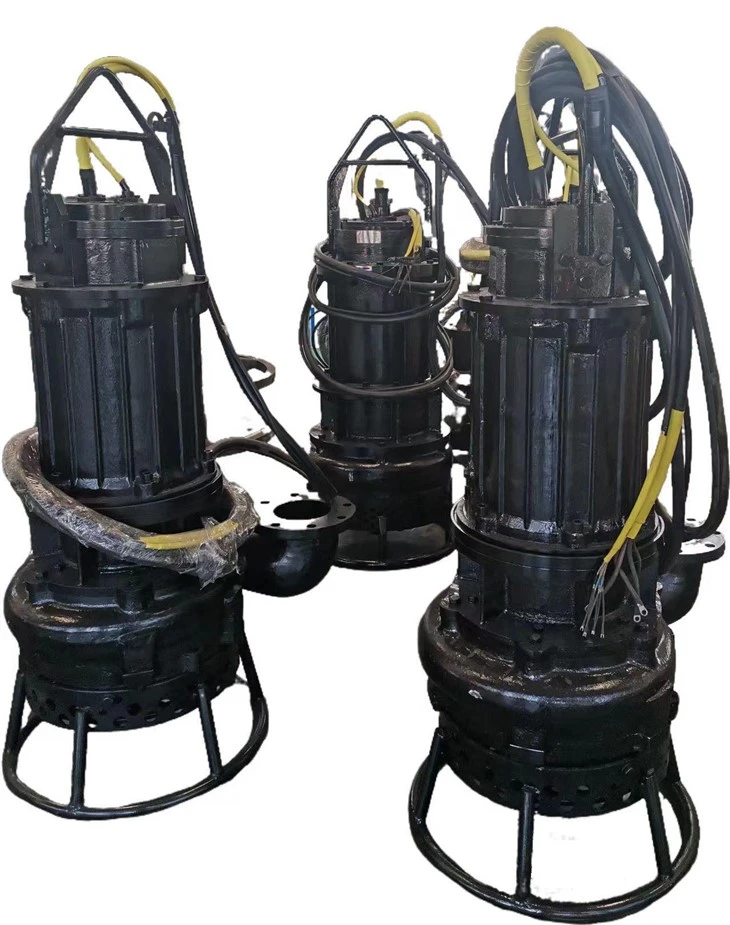
Inspect the cables and connectors during maintenance. Replace any worn - out or damaged cables immediately. Also, check the lubrication levels of the motor bearings. Proper lubrication reduces friction and extends the life of the bearings.
Emergency Preparedness
Despite taking all the necessary safety precautions, emergencies can still occur. It is important to have an emergency plan in place. Train all operators on how to respond to different types of emergencies, such as electric shock, fire, or motor failure.
Keep appropriate fire - fighting equipment, such as fire extinguishers, in the vicinity of the motor. In case of an electric shock, know how to safely disconnect the power supply and perform first - aid procedures.
Importance of Training
All personnel involved in the installation, operation, and maintenance of submersible motors should receive proper training. Training should cover safety procedures, equipment operation, and maintenance. A well - trained operator is more likely to identify potential safety hazards and take appropriate action to prevent accidents.
Conclusion
Using a submersible motor safely requires a combination of pre - installation checks, proper installation, careful operation, regular maintenance, and emergency preparedness. By following these safety precautions, you can minimize the risk of accidents and ensure the long - term reliability of your submersible motor.
If you are in the market for a Submersible Motor or a Submersible Slurry Pump, we are here to provide you with high - quality products and professional advice. Our team of experts can help you select the right equipment for your specific needs and ensure that you are well - informed about the safety precautions. Contact us to start a discussion about your procurement requirements.
References
- Manufacturer's manuals for submersible motors
- Industry safety standards and guidelines for electrical equipment in submerged environments
- Technical literature on motor operation and maintenance