As a seasoned supplier of Pump Control Panel, I've witnessed firsthand the pivotal role these panels play in the efficient operation of pumping systems. A well-functioning control panel ensures that pumps operate smoothly, maintain optimal performance, and prevent costly breakdowns. However, like any complex system, pump control panels can experience issues over time. Recognizing the signs of a failing pump control panel is crucial for timely maintenance and replacement, ultimately saving you time, money, and headaches.
1. Erratic Pump Operation
One of the most obvious signs of a failing pump control panel is erratic pump operation. If you notice that your pump is starting and stopping unexpectedly, running at inconsistent speeds, or failing to start altogether, it could be a sign of a problem with the control panel. These issues can be caused by a variety of factors, including faulty relays, damaged wiring, or malfunctioning sensors.
For example, a worn-out relay may not be able to switch the pump on and off properly, leading to intermittent operation. Similarly, damaged wiring can cause electrical shorts or open circuits, disrupting the flow of power to the pump. Malfunctioning sensors can also provide inaccurate information to the control panel, causing it to make incorrect decisions about when to start and stop the pump.
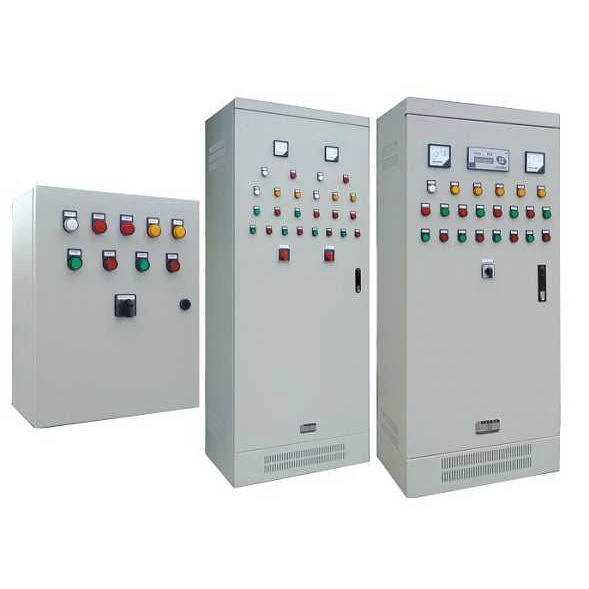
2. Frequent Tripping of Circuit Breakers
Another common sign of a failing pump control panel is the frequent tripping of circuit breakers. Circuit breakers are designed to protect electrical circuits from overloading and short circuits by automatically shutting off the power when a problem is detected. If your circuit breaker keeps tripping, it could indicate an electrical problem within the control panel, such as a short circuit or a ground fault.
A short circuit occurs when two or more electrical conductors come into contact with each other, causing a sudden surge in current. This can damage the control panel and other components of the pumping system. A ground fault, on the other hand, occurs when an electrical conductor comes into contact with the ground, creating a path for current to flow outside of the intended circuit. This can also cause the circuit breaker to trip and pose a safety hazard.
3. Overheating
Overheating is a serious issue that can indicate a failing pump control panel. Excessive heat can damage the electrical components of the control panel, leading to premature failure and potential safety hazards. If you notice that your control panel is hot to the touch or emitting a burning smell, it's important to shut off the power immediately and investigate the cause.
Overheating can be caused by a variety of factors, including poor ventilation, overloading, or a malfunctioning cooling system. For example, if the control panel is installed in a confined space without adequate ventilation, the heat generated by the electrical components may not be able to dissipate properly, causing the temperature to rise. Overloading the control panel by connecting too many devices or running the pump at a higher capacity than it was designed for can also cause overheating.
4. Faulty Display or Indicator Lights
Most modern pump control panels are equipped with displays and indicator lights that provide information about the status of the pump and the control panel. If you notice that the display is blank, flickering, or showing incorrect information, or if the indicator lights are not working properly, it could be a sign of a problem with the control panel.
Faulty displays and indicator lights can be caused by a variety of factors, including damaged wiring, a malfunctioning display module, or a software issue. For example, if the wiring connecting the display or indicator lights to the control panel is damaged, the signals may not be able to reach the display or lights, causing them to malfunction. A malfunctioning display module or a software issue can also cause the display to show incorrect information or not work at all.
5. Unusual Noises or Vibrations
Unusual noises or vibrations coming from the pump control panel can also indicate a problem. These noises can range from a faint humming or buzzing sound to a loud rattling or banging noise. Vibrations can also be felt when touching the control panel or the pump.
Unusual noises and vibrations can be caused by a variety of factors, including loose components, worn-out bearings, or a misaligned pump. For example, if the control panel is not properly secured to the mounting surface, it may vibrate when the pump is running, causing a rattling noise. Worn-out bearings in the pump motor can also cause excessive vibration and noise.
6. Increased Energy Consumption
If you notice that your energy bills have been increasing steadily, it could be a sign of a failing pump control panel. A malfunctioning control panel may cause the pump to run longer or at a higher speed than necessary, leading to increased energy consumption.
Increased energy consumption can also be caused by other factors, such as a leaky pump or a clogged filter. However, if you have ruled out these other possibilities and still notice an increase in energy consumption, it's important to have your pump control panel inspected by a qualified technician.
7. Corrosion or Rust
Corrosion and rust are common problems that can affect pump control panels, especially in environments where they are exposed to moisture, chemicals, or saltwater. Corrosion and rust can damage the electrical components of the control panel, leading to premature failure and potential safety hazards.
If you notice any signs of corrosion or rust on the control panel, such as discoloration, flaking paint, or rusty spots, it's important to take action immediately. You can clean the control panel using a mild detergent and water, and then apply a rust inhibitor to prevent further corrosion. If the corrosion or rust is severe, you may need to replace the control panel.
8. Difficulty in Programming or Calibration
Modern pump control panels are often programmable, allowing you to set various parameters such as pump start and stop times, pressure settings, and alarm thresholds. If you are having difficulty programming or calibrating the control panel, it could be a sign of a problem.
Difficulty in programming or calibration can be caused by a variety of factors, including a malfunctioning keypad, a software issue, or a damaged memory module. For example, if the keypad on the control panel is not working properly, you may not be able to enter the correct commands to program or calibrate the panel. A software issue or a damaged memory module can also cause the control panel to lose its programming or settings.
Conclusion
Recognizing the signs of a failing pump control panel is crucial for maintaining the efficiency and reliability of your pumping system. By being aware of these signs and taking prompt action when necessary, you can prevent costly breakdowns, reduce energy consumption, and ensure the safety of your employees and equipment.
If you suspect that your pump control panel is failing, it's important to have it inspected by a qualified technician as soon as possible. A professional technician has the expertise and tools to diagnose the problem accurately and recommend the appropriate solution. Whether you need a simple repair or a complete replacement, a qualified technician can help you get your pumping system back up and running smoothly.
As a trusted supplier of Pump Control Panel, we are committed to providing high-quality products and exceptional customer service. If you have any questions or concerns about your pump control panel, or if you are interested in purchasing a new control panel, please don't hesitate to contact us. Our team of experts is ready to assist you with all your pumping system needs.
References
- "Pump Control Panel Troubleshooting Guide." [Manufacturer's Name], [Publication Date].
- "Electrical Troubleshooting for Pump Systems." [Author's Name], [Publication Date].
- "Maintenance and Repair of Pump Control Panels." [Author's Name], [Publication Date].