As a dedicated supplier of pump discharge components, I've witnessed firsthand the intricate relationship between a pump's lubrication condition and its discharge performance. In this blog post, I'll delve into the scientific aspects of how lubrication affects pump discharge and why it's crucial for both pump efficiency and longevity.
The Basics of Pump Lubrication
Lubrication in pumps serves multiple vital functions. Firstly, it reduces friction between moving parts. Pumps consist of various components such as bearings, shafts, and impellers that move against each other during operation. Without proper lubrication, these parts would experience excessive wear and tear, leading to increased energy consumption and potential mechanical failures.
Secondly, lubrication helps to dissipate heat. As the pump operates, mechanical energy is converted into heat due to friction. A well - lubricated system can carry away this heat, preventing overheating that could damage the pump's components and affect its discharge capacity.
There are different types of lubricants used in pumps, including oils and greases. The choice of lubricant depends on factors such as the pump's operating temperature, speed, and the type of load it experiences.
How Lubrication Affects Pump Discharge
1. Efficiency
Proper lubrication directly impacts the efficiency of a pump. When the moving parts are well - lubricated, the frictional losses are minimized. This means that more of the input power is converted into useful work, which is the pumping action. For example, in a centrifugal pump, a smooth - running impeller due to good lubrication can transfer more energy to the fluid, resulting in a higher discharge flow rate and pressure.
On the other hand, poor lubrication can lead to increased friction. The pump has to work harder to overcome this friction, which not only reduces the overall efficiency but also increases the energy consumption. This inefficiency can be a significant cost factor for industrial applications where pumps are running continuously.
2. Flow Rate
The flow rate of a pump is a measure of the volume of fluid it can move per unit of time. Lubrication plays a role in maintaining a consistent flow rate. If the bearings or other moving parts are not properly lubricated, they may start to seize or experience uneven movement. This can cause fluctuations in the impeller's rotation speed, leading to an inconsistent flow rate.
In extreme cases, severe lack of lubrication can cause parts to break down, which can block the flow path and reduce or even stop the pump discharge altogether. For instance, if a bearing fails due to poor lubrication, the impeller may become misaligned, disrupting the normal flow of fluid through the pump.
3. Pressure
Pump discharge pressure is another critical parameter affected by lubrication. A well - lubricated pump can generate and maintain the required pressure more effectively. In positive displacement pumps, such as piston pumps or gear pumps, proper lubrication ensures a tight seal between the moving parts. This allows the pump to build up and maintain the necessary pressure to push the fluid through the discharge line.
When lubrication is inadequate, there may be leaks between the pump components. These leaks can cause a drop in pressure, reducing the pump's ability to deliver the fluid to the required destination. For example, in a high - pressure pumping system, even a small leak due to poor lubrication can lead to a significant loss of pressure, which may affect the performance of downstream equipment.
Signs of Poor Lubrication and Their Impact on Pump Discharge
1. Increased Noise
One of the first signs of poor lubrication is increased noise during pump operation. As the friction between moving parts increases, it creates vibrations that are audible. These vibrations can also affect the stability of the pump, leading to a decrease in discharge performance. For example, excessive vibration can cause the impeller to wobble, resulting in an uneven flow of fluid and a reduction in both flow rate and pressure.
2. Temperature Rise
A rising temperature is another indication of poor lubrication. When there is not enough lubricant to dissipate the heat generated by friction, the temperature of the pump components increases. High temperatures can cause the lubricant itself to break down, further exacerbating the problem. Additionally, thermal expansion of the pump parts due to high temperatures can lead to changes in clearances between components, which can affect the pump's discharge characteristics.
3. Wear and Tear
Visible signs of wear and tear on pump components are a clear indication of poor lubrication. Worn - out bearings, shafts, or impellers can no longer function optimally. The reduced performance of these components directly impacts the pump's ability to generate the required flow rate and pressure. For example, a worn - out impeller may not be able to impart enough energy to the fluid, resulting in a lower discharge flow rate.
Maintaining Proper Lubrication for Optimal Pump Discharge
1. Regular Inspection
Regular inspection of the pump's lubrication system is essential. This includes checking the lubricant level, its quality, and the condition of the lubrication components such as filters and seals. By detecting early signs of lubrication problems, corrective actions can be taken before they cause significant damage to the pump and its discharge performance.
2. Lubricant Selection
Choosing the right lubricant is crucial. Factors such as the pump's operating conditions, the type of fluid being pumped, and the manufacturer's recommendations should be considered. Using the wrong lubricant can lead to poor lubrication and subsequent problems with pump discharge. For example, a lubricant that is not suitable for high - temperature applications may break down quickly, leading to increased friction and reduced pump performance.
3. Lubrication Schedule
Establishing a proper lubrication schedule is necessary to ensure consistent pump performance. Depending on the pump's usage and operating environment, lubricant should be changed at regular intervals. This helps to maintain the lubricant's effectiveness and prevent the build - up of contaminants that can affect the pump's operation.
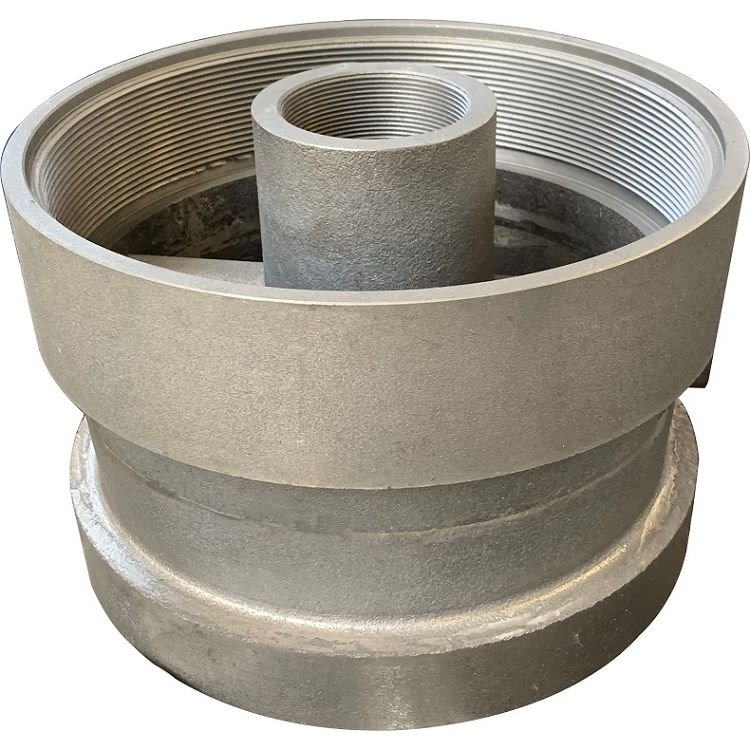
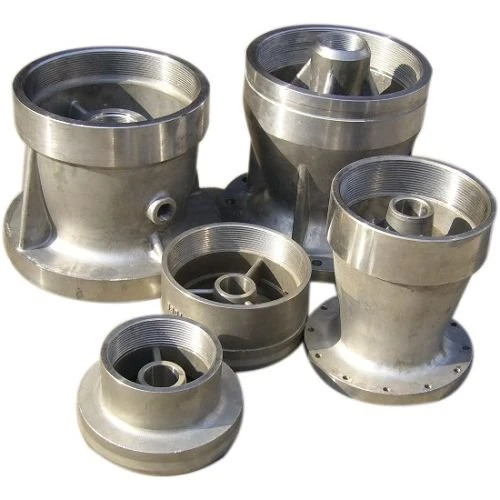
Our Pump Discharge Products and the Importance of Lubrication
As a supplier of Stainless Steel Pump Discharge and Cast Iron Pump Discharge components, we understand the importance of proper lubrication for the optimal performance of our products. Our pump discharge parts are designed to work in conjunction with a well - lubricated pump system.
Stainless steel pump discharges are known for their corrosion resistance, which is especially important in applications where the pumped fluid may be corrosive. However, even these high - quality components can be affected by poor lubrication. A well - lubricated pump ensures that the stainless steel discharge operates smoothly, with minimal wear and tear, and maintains its performance over time.
Cast iron pump discharges, on the other hand, are valued for their durability and strength. But like any other pump component, they rely on proper lubrication to function at their best. Good lubrication helps to prevent the cast iron from rusting and reduces the friction between the discharge and other pump parts, ensuring a consistent and efficient pumping operation.
Conclusion
In conclusion, the lubrication condition of a pump has a profound impact on its discharge performance. From efficiency and flow rate to pressure and overall reliability, proper lubrication is essential for the smooth operation of pumps. As a pump discharge supplier, we encourage our customers to pay close attention to the lubrication of their pumps to ensure the best performance of our products.
If you are in the market for high - quality pump discharge components or have any questions about pump lubrication and its impact on discharge, we invite you to contact us for a detailed discussion. Our team of experts is ready to assist you in finding the right solutions for your pumping needs.
References
- "Pump Handbook" by Igor Karassik et al.
- "Mechanical Engineering Design" by Joseph E. Shigley and Charles R. Mischke.
- Industry standards and guidelines related to pump lubrication and operation.