As a supplier of Pump Shafts, I've witnessed firsthand the critical role these components play in the smooth operation of pumps. One of the most common issues that can lead to pump failure is a worn - out shaft seal. In this blog, I'll share the signs that indicate a pump shaft seal is in need of replacement.
Leakage
The most obvious sign of a worn - out pump shaft seal is leakage. When the seal is intact, it prevents the fluid being pumped from escaping around the shaft. However, as the seal wears, it loses its ability to create a tight seal. You may notice small drips or even a continuous stream of fluid around the pump shaft. This leakage can be a clear indication that the seal is no longer functioning properly.
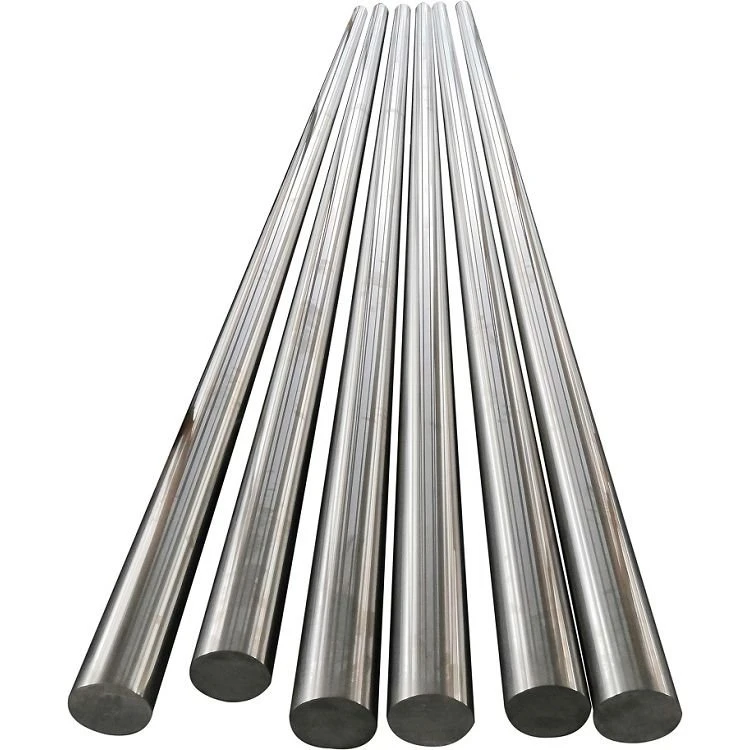
Leakage not only leads to a loss of the pumped fluid but can also cause other problems. For example, if the fluid is corrosive, it can damage the pump housing, bearings, and other components. Additionally, if the fluid is flammable or toxic, the leakage can pose a significant safety hazard. If you see any signs of leakage around your pump shaft, it's crucial to inspect the seal immediately. You can find high - quality Pump Shaft on our website that can help prevent such leakage issues.
Increased Friction and Heat
A worn - out pump shaft seal can also lead to increased friction between the shaft and the seal. As the seal deteriorates, its surface becomes rough, causing more resistance as the shaft rotates. This increased friction generates heat, which can further damage the seal and other components of the pump.
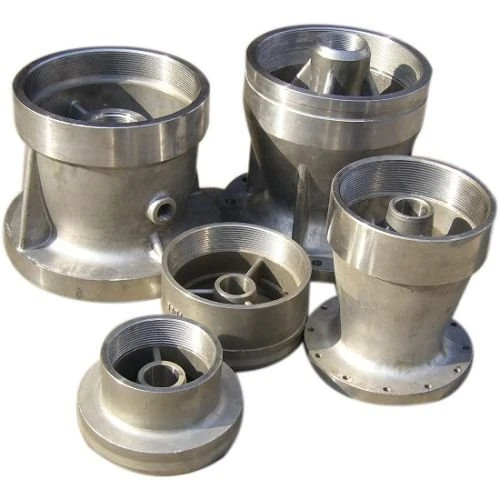
You can often detect increased friction and heat by touching the pump housing near the shaft seal. If it feels unusually hot to the touch, it could be a sign of a problem. Excessive heat can also cause the fluid being pumped to vaporize, leading to cavitation, which is a phenomenon where bubbles form and collapse in the fluid, causing damage to the pump. To avoid these issues, it's important to use high - quality seals and monitor the temperature of your pump regularly. Our Sea Water Pump Parts are designed to withstand high - friction and heat conditions, ensuring optimal performance.
Noise and Vibration
Another sign of a worn - out pump shaft seal is unusual noise and vibration. When the seal is worn, it can cause the shaft to become misaligned or unbalanced. This misalignment or unbalance can lead to vibrations as the shaft rotates, which in turn can produce a variety of noises, such as rattling, humming, or grinding sounds.
These noises and vibrations are not only annoying but can also indicate serious problems with the pump. They can cause additional wear and tear on the pump components, leading to premature failure. If you notice any unusual noises or vibrations coming from your pump, it's important to shut it down immediately and inspect the shaft seal and other components for damage.
Reduced Pump Performance
A worn - out pump shaft seal can also have a negative impact on the overall performance of the pump. As the seal fails, it can allow air to enter the pump, reducing the efficiency of the pumping process. This can result in a decrease in the flow rate and pressure of the pumped fluid.
You may notice that your pump is taking longer to fill a tank or that it's not able to reach the desired pressure. These are signs that the pump is not operating at its full capacity, and a worn - out shaft seal could be the culprit. By replacing the seal, you can often restore the pump's performance and efficiency.
Visual Inspection
Regular visual inspections of the pump shaft seal can also help you detect signs of wear. Look for signs of cracks, tears, or other damage on the surface of the seal. The seal material may also show signs of deterioration, such as swelling or hardening.
If you notice any of these visual signs, it's a good indication that the seal needs to be replaced. It's also important to check the condition of the shaft itself. A damaged or rough shaft can accelerate the wear of the seal. Make sure the shaft is clean and free of any debris or corrosion.
Contamination of the Pumped Fluid
A failing pump shaft seal can allow contaminants to enter the pumped fluid. This is especially problematic in applications where the purity of the fluid is critical, such as in the food and beverage industry or in medical equipment.
Contaminants can include dirt, dust, and even bacteria if the pump is used in a wet environment. If you notice any discoloration or particles in the pumped fluid, it could be a sign that the shaft seal is allowing contaminants to enter. This can not only affect the quality of the product but can also cause damage to downstream equipment.
Seal Material Degradation
Over time, the material of the pump shaft seal can degrade due to exposure to the pumped fluid, temperature, and other environmental factors. Different seal materials have different resistance levels to these factors. For example, some seals may be more resistant to chemicals, while others may be better suited for high - temperature applications.
If the seal material is not compatible with the pumped fluid or the operating conditions, it can break down more quickly. You may notice changes in the color, texture, or hardness of the seal material. For instance, a rubber seal may become brittle and crack, while a plastic seal may warp or melt.
Excessive Wear on Shaft and Bearings
A worn - out pump shaft seal can cause excessive wear on the shaft and bearings. As the seal fails, it can no longer provide proper support and alignment for the shaft. This can lead to increased stress on the shaft and bearings, causing them to wear out more quickly.
If you notice excessive play in the shaft or if the bearings are making unusual noises, it could be a sign of damage caused by a failing shaft seal. Regular maintenance and inspection can help you catch these issues early and prevent further damage to the pump.
Monitoring and Preventive Maintenance
To avoid the problems associated with a worn - out pump shaft seal, it's important to implement a regular monitoring and preventive maintenance program. This includes regular inspections of the seal, shaft, and other pump components. You should also keep records of the pump's performance, including flow rate, pressure, and temperature.
By monitoring these parameters, you can detect changes over time and identify potential problems before they become serious. Replace the pump shaft seal at recommended intervals, even if there are no obvious signs of wear. This proactive approach can help you avoid costly downtime and repairs.
Conclusion
In conclusion, a worn - out pump shaft seal can cause a variety of problems, including leakage, increased friction and heat, noise and vibration, reduced pump performance, and contamination of the pumped fluid. By being aware of these signs and conducting regular inspections, you can detect and replace a failing seal before it causes significant damage to your pump.
As a Pump Shaft supplier, we offer a wide range of high - quality seals and pump parts to meet your needs. If you suspect that your pump shaft seal is worn or if you have any questions about pump maintenance, please don't hesitate to contact us for further assistance and to discuss your procurement needs. We are committed to providing you with the best products and services to ensure the reliable operation of your pumps.
References
- "Pump Handbook" by Igor Karassik et al.
- "Mechanical Seals: Principles and Applications" by James A. Adamson.
- Industry standards and guidelines for pump maintenance and operation.