Hey there! As a pump impeller supplier, I've seen firsthand how crucial it is to maintain these components properly. A well - maintained pump impeller can save you a ton of money in the long run, prevent breakdowns, and keep your pumping systems running smoothly. So, let's dive into how you can maintain a pump impeller.
Understanding Your Pump Impeller
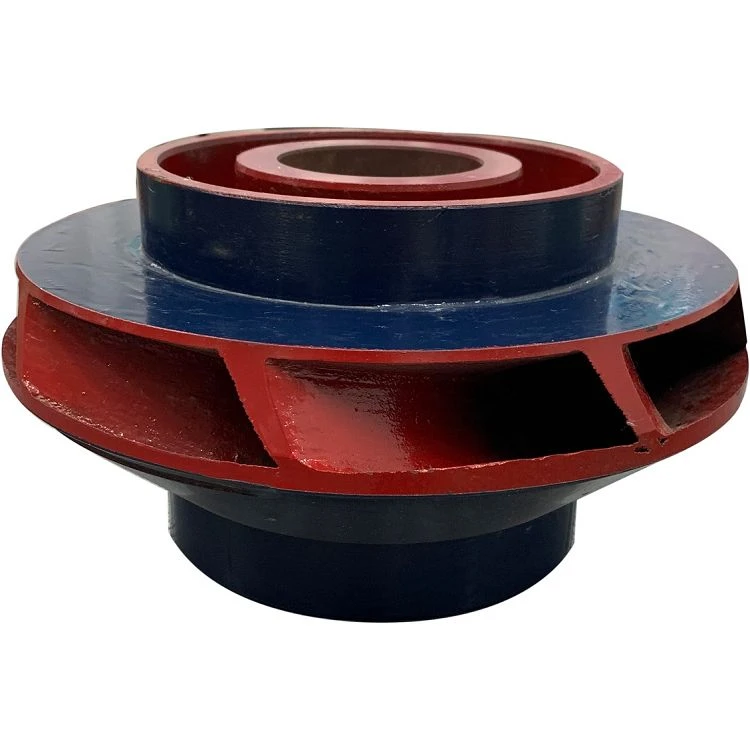
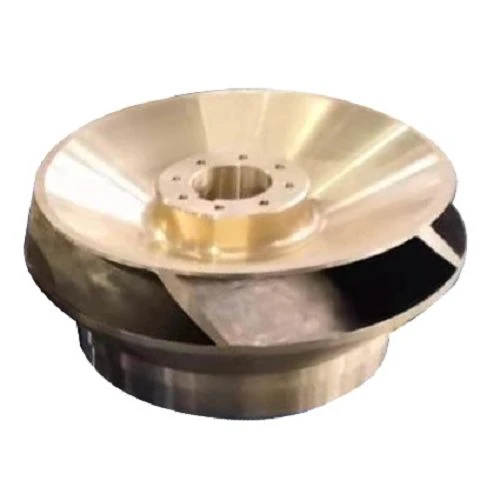
First things first, you gotta know what you're dealing with. Pump impellers come in different materials, each with its own characteristics. We've got Cast Iron Pump Impeller, Stainless Steel Pump Impeller, and Bronze Pump Impeller.
Cast iron impellers are cost - effective and great for general applications. They're tough but can be prone to corrosion in certain environments. Stainless steel impellers, on the other hand, are highly resistant to corrosion, making them a top choice for applications where the pumped fluid is aggressive or contains chemicals. Bronze impellers are known for their good strength and corrosion resistance, especially in marine applications.
Regular Inspections
Regular inspections are the key to catching problems early. You should visually inspect the impeller at least once a month, or more frequently if the pump is running in a harsh environment. Look for signs of wear, such as erosion, cavitation damage, or cracks. Erosion can happen when the pumped fluid contains abrasive particles. These particles can gradually wear away the impeller surface, reducing its efficiency.
Cavitation is another common issue. It occurs when the pressure of the fluid drops below its vapor pressure, forming vapor bubbles. When these bubbles collapse, they can cause significant damage to the impeller surface. If you notice any signs of cavitation, like pitting on the impeller blades, you need to address the root cause, such as incorrect pump installation or a clogged inlet.
Cleaning the Impeller
Over time, debris and sediment can build up on the impeller. This not only affects the impeller's performance but can also cause imbalance, leading to increased vibration and premature wear. To clean the impeller, first, make sure the pump is shut off and disconnected from the power source. Then, remove the impeller from the pump.
You can use a soft brush and a mild cleaning solution to gently scrub away the dirt and debris. Avoid using abrasive materials that could scratch the impeller surface. Once you've cleaned it, rinse it thoroughly with clean water and let it dry completely before reinstalling it.
Balancing the Impeller
An unbalanced impeller can cause excessive vibration, which can damage the pump bearings, seals, and other components. To check the balance of the impeller, you can use a balancing machine. If the impeller is unbalanced, you may need to add or remove small amounts of material from specific areas to correct it.
It's important to note that balancing should be done by a professional if you're not experienced with it. Incorrect balancing can make the problem worse rather than solving it.
Lubrication (if applicable)
Some pump impellers have bearings or other moving parts that require lubrication. Check your pump's manual to see if your impeller needs lubrication and what type of lubricant to use. Over - lubrication can be just as bad as under - lubrication, so follow the manufacturer's recommendations carefully.
Monitoring Operating Conditions
Keep an eye on the pump's operating conditions, such as flow rate, pressure, and temperature. Sudden changes in these parameters can indicate a problem with the impeller or other parts of the pump. For example, a decrease in flow rate could mean the impeller is worn or clogged. If you notice any abnormal changes, investigate the cause immediately.
Storage
If you need to store the pump impeller for an extended period, proper storage is essential. Clean the impeller thoroughly and dry it completely. Then, store it in a dry, clean place, away from direct sunlight and moisture. You may also want to apply a thin layer of protective oil to prevent corrosion.
Troubleshooting Common Issues
Even with regular maintenance, you may still encounter some issues with the pump impeller. Here are some common problems and how to fix them:
Low Efficiency: If the pump is not delivering the expected flow rate or pressure, the impeller may be worn or clogged. Check for debris and clean the impeller if necessary. If the impeller is severely worn, you may need to replace it.
Excessive Vibration: As mentioned earlier, an unbalanced impeller can cause vibration. Check the balance of the impeller and correct it if needed. Vibration can also be caused by misalignment between the pump and the motor. Make sure the pump and motor are properly aligned.
Noise: Unusual noises coming from the pump can be a sign of a problem with the impeller. It could be due to cavitation, a loose impeller, or other issues. Check for signs of cavitation and address any installation or operating issues. If the impeller is loose, tighten it or replace the retaining nut.
When to Replace the Impeller
Despite your best efforts at maintenance, there will come a time when you need to replace the impeller. Signs that it's time for a replacement include severe wear, cracks, or if the impeller can no longer be balanced. Don't wait until the impeller fails completely, as this can cause more damage to the pump and other components.
Conclusion
Maintaining a pump impeller is not rocket science, but it does require some time and attention. By following these tips, you can extend the life of your impeller, improve the performance of your pump, and save money on repairs and replacements.
If you're in the market for a new pump impeller or need more advice on maintenance, we're here to help. We offer a wide range of high - quality Cast Iron Pump Impeller, Stainless Steel Pump Impeller, and Bronze Pump Impeller. Contact us today to discuss your specific needs and let's work together to keep your pumping systems running at their best.
References
- Pump Manufacturer's Manuals
- Industry Standards for Pump Maintenance
- Technical Papers on Pump Impeller Design and Maintenance