Hey there! As a supplier of Bronze Pump Impeller, I've spent a ton of time diving into the ins and outs of these nifty pieces of equipment. One question that often comes up is, "What are the vibration characteristics of a bronze pump impeller?" Well, let's dig in and find out.
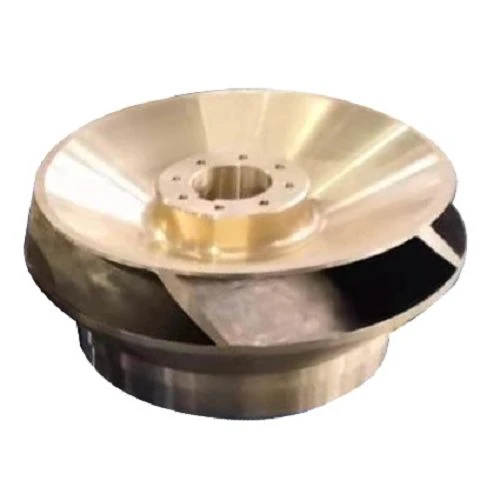
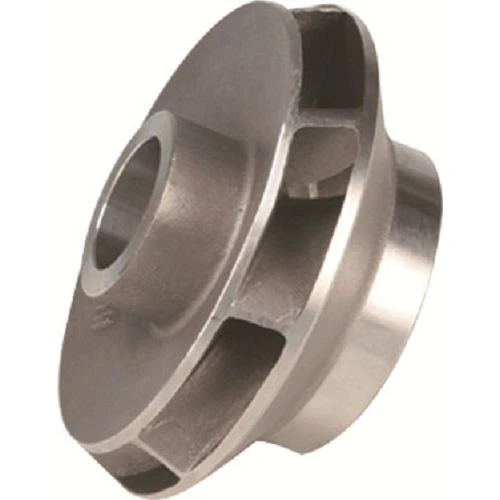
First off, vibration in a pump impeller is a big deal. It can tell us a lot about how the impeller is performing, its health, and even the overall efficiency of the pump system. You see, a well - functioning impeller should have relatively stable and predictable vibration patterns. But there are several factors that can affect these patterns, and understanding them is key to getting the most out of your bronze pump impeller.
One of the main factors influencing vibration is the design of the impeller itself. The shape, number of blades, and the way the blades are curved all play a role. For example, an impeller with an uneven number of blades might have different vibration characteristics compared to one with an even number. This is because the interaction between the blades and the fluid flow can create unique pressure fluctuations, which in turn lead to specific vibration frequencies.
Material properties also matter a great deal. Bronze, as a material, has its own set of physical characteristics that affect vibration. It's a relatively dense and strong metal, which gives it certain advantages. The density of bronze helps in dampening some of the vibrations that occur during operation. Compared to Cast Iron Pump Impeller, bronze can absorb more of the energy generated by the fluid flow and mechanical forces, reducing the overall vibration levels.
Another crucial aspect is the balance of the impeller. An unbalanced impeller is like a wobbly wheel on a car. It can cause excessive vibration, which not only affects the performance of the pump but also leads to wear and tear on other components. When an impeller is out of balance, it creates centrifugal forces that are unevenly distributed. These forces cause the impeller to shake and vibrate more than it should. Regular balancing checks are essential to keep the vibration in check.
The operating conditions of the pump also have a significant impact on the vibration characteristics of the bronze pump impeller. The flow rate of the fluid being pumped is a major factor. If the flow rate is too high or too low compared to the design specifications of the impeller, it can cause abnormal vibrations. For instance, a low flow rate might lead to cavitation, where vapor bubbles form and collapse in the fluid. This cavitation process can generate intense shock waves, resulting in high - frequency vibrations that can damage the impeller over time.
The temperature of the fluid and the surrounding environment can also affect vibration. Extreme temperatures can cause the bronze to expand or contract, altering its dimensions and mechanical properties. This change can disrupt the normal vibration patterns of the impeller. For example, in a high - temperature environment, the bronze might become more malleable, which could lead to increased flexibility and potentially different vibration frequencies.
Now, let's talk about how we can measure and analyze the vibration characteristics of a bronze pump impeller. There are several tools and techniques available for this purpose. Vibration sensors are commonly used to detect and record the vibrations. These sensors can be attached to different parts of the pump, such as the casing or the shaft, to get a comprehensive view of the vibration levels.
Once the vibration data is collected, it can be analyzed using software. This analysis helps in identifying the frequency components of the vibration. By looking at the frequency spectrum, we can determine if there are any abnormal frequencies that might indicate a problem, such as an unbalanced impeller or cavitation. For example, a high - frequency peak in the spectrum could be a sign of cavitation, while a low - frequency peak might suggest an imbalance.
In addition to frequency analysis, time - domain analysis can also be useful. This type of analysis looks at how the vibration changes over time. It can help in detecting sudden changes in vibration levels, which could be a sign of an emerging problem, like a loose part or a crack in the impeller.
Understanding the vibration characteristics of a bronze pump impeller is not just about troubleshooting problems. It's also about optimizing the performance of the pump system. By keeping the vibration levels within the acceptable range, we can improve the efficiency of the pump, reduce energy consumption, and extend the lifespan of the impeller and other components.
If you're in the market for a high - quality bronze pump impeller, you've come to the right place. As a supplier, I can offer you impellers that are designed and manufactured to have optimal vibration characteristics. We use state - of - the - art technology to ensure proper balancing and quality control. Our bronze pump impellers are made from high - grade bronze, which provides excellent vibration dampening and durability.
Whether you're replacing an old impeller or setting up a new pump system, our Bronze Pump Impeller can be a great choice. Compared to Stainless Steel Pump Impeller, bronze offers a unique combination of performance and cost - effectiveness.
If you have any questions about our bronze pump impellers or want to discuss your specific requirements, don't hesitate to reach out. We're here to help you make the best decision for your pump system. Whether it's choosing the right impeller design, understanding the vibration characteristics, or getting advice on installation and maintenance, we've got you covered. So, let's start a conversation and see how we can work together to meet your needs.
References
- "Pump Handbook" by Igor J. Karassik et al.
- "Fluid Mechanics and Hydraulic Machines" by R. K. Bansal.