Pump casting is a specialized manufacturing process that plays a pivotal role in the production of high - performance pumps. As a seasoned pump casting supplier, I have witnessed firsthand the significance and complexity of this process. In this blog, I will delve into what pump casting is, its materials, manufacturing processes, applications, and why our pump castings stand out in the market.
What is Pump Casting?
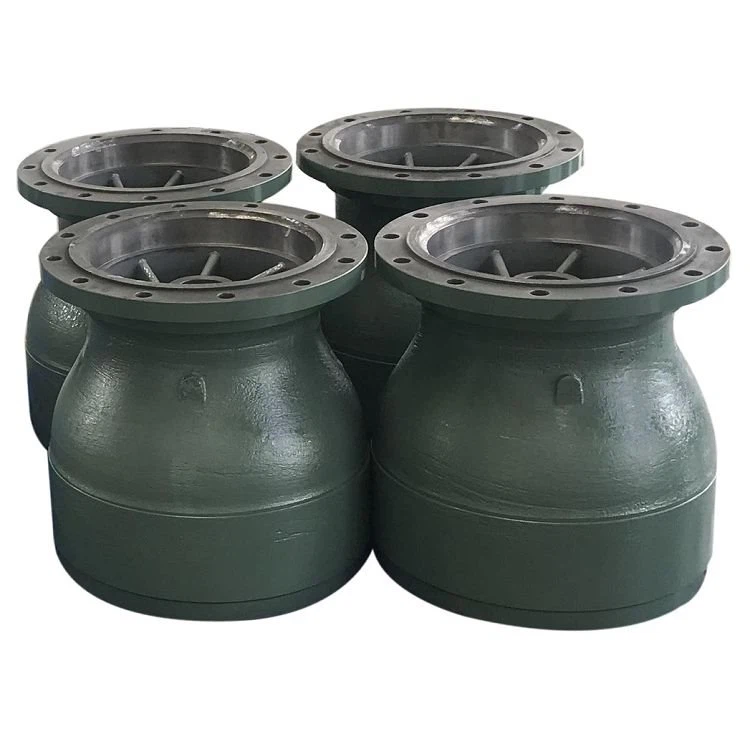
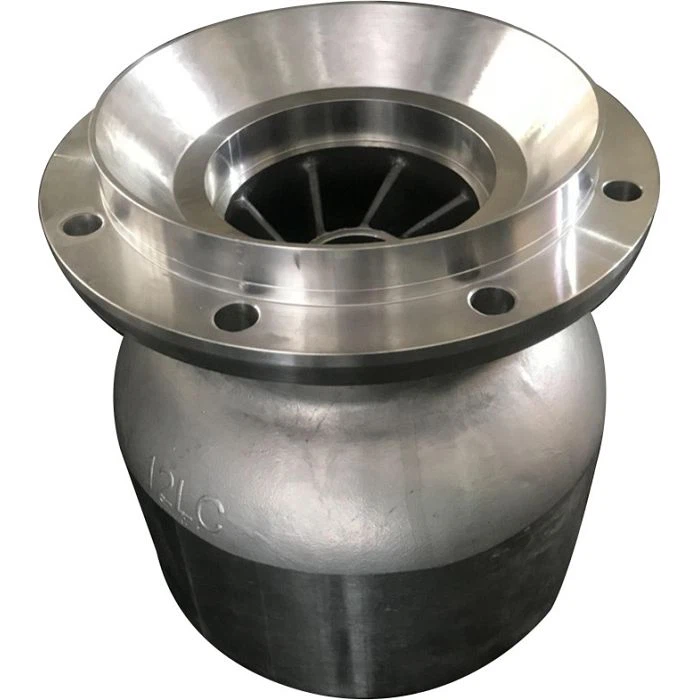
Pump casting is the process of creating pump components by pouring molten metal into a mold. The mold is designed to have the exact shape of the desired pump part, such as the impeller, volute, or casing. Once the molten metal cools and solidifies, it takes on the shape of the mold, resulting in a finished pump component. This process allows for the production of parts with complex geometries that would be difficult or impossible to achieve through other manufacturing methods.
Materials Used in Pump Casting
Ductile Iron Casting
One of the most commonly used materials in pump casting is ductile iron. Ductile iron, also known as nodular cast iron, offers a unique combination of strength, ductility, and corrosion resistance. Its graphite microstructure, which consists of spherical graphite nodules, gives it better mechanical properties compared to traditional gray iron. Ductile iron castings are widely used in pumps because they can withstand high pressures and are suitable for a variety of applications, from water supply systems to industrial pumping. To learn more about our Ductile Iron Casting, click the link.
Stainless Steel Pump Casting
Stainless steel is another popular material for pump casting. It is highly resistant to corrosion, making it ideal for pumps that handle corrosive fluids such as acids, alkalis, and seawater. Stainless steel pump castings also have excellent mechanical properties, including high strength and good ductility. They can operate in harsh environments and maintain their performance over a long period. Our Stainless Steel Pump Casting products are manufactured with the highest quality standards to ensure durability and reliability.
Manufacturing Processes in Pump Casting
Pattern Making
The first step in pump casting is pattern making. A pattern, which is a replica of the final pump part, is created using materials such as wood, plastic, or metal. The pattern is designed with allowances for shrinkage and machining. It serves as a model for the mold and determines the shape and dimensions of the cast part.
Mold Making
Once the pattern is ready, the mold is made. There are different types of molds, including sand molds and investment molds. Sand molds are made by packing sand around the pattern. The sand is usually mixed with a binder to hold its shape. Investment molds, on the other hand, are made by creating a wax pattern, coating it with a ceramic shell, and then melting the wax out. Investment casting allows for the production of parts with high precision and smooth surfaces.
Melting and Pouring
After the mold is prepared, the metal is melted in a furnace. The melting process must be carefully controlled to ensure the proper chemical composition and temperature of the molten metal. Once the metal reaches the desired temperature, it is poured into the mold. The pouring process must be done in a way that minimizes turbulence and prevents the formation of defects such as air bubbles and shrinkage cavities.
Cooling and Solidification
After pouring, the molten metal begins to cool and solidify. The cooling rate is critical as it affects the microstructure and mechanical properties of the cast part. Slow cooling can result in larger grain sizes, which may reduce the strength of the part. On the other hand, rapid cooling can cause internal stresses and cracking. Therefore, the cooling process is carefully monitored and controlled.
Finishing Operations
Once the casting has solidified, it undergoes a series of finishing operations. These include removing the mold material, trimming excess metal, machining the surfaces to the required dimensions, and performing heat treatment to improve the mechanical properties. Finally, the part is inspected for quality to ensure that it meets the specified standards.
Applications of Pump Castings
Pump castings are used in a wide range of industries. In the water treatment industry, pumps are used for water supply, wastewater treatment, and desalination. Our pump castings ensure efficient and reliable operation in these critical applications. In the oil and gas industry, pumps are used for crude oil transfer, refining processes, and offshore operations. The high - quality materials and precise manufacturing of our pump castings make them suitable for the demanding conditions in this industry.
In the chemical industry, pumps handle a variety of corrosive and hazardous fluids. Our Wear Resistant Pump Parts are designed to withstand the wear and tear caused by these aggressive substances. In the power generation industry, pumps are used for cooling water circulation, boiler feed, and fuel oil transfer. Our pump castings contribute to the stable and efficient operation of power plants.
Why Choose Our Pump Castings?
As a pump casting supplier, we have several advantages. Firstly, we have a team of experienced engineers and technicians who are experts in the field of pump casting. They can provide customized solutions according to the specific requirements of our customers. Secondly, we use advanced manufacturing equipment and technologies to ensure the accuracy and quality of our products. Our quality control system is strict, and every product undergoes multiple inspections before leaving the factory.
Thirdly, we offer competitive prices without compromising on quality. We have established long - term relationships with reliable raw material suppliers, which allows us to control costs effectively. Finally, we provide excellent after - sales service. Our customer support team is always ready to assist customers with any technical issues or concerns.
Contact Us for Procurement and Negotiation
If you are in the market for high - quality pump castings, we invite you to contact us. Whether you need standard pump components or customized solutions, we have the expertise and resources to meet your needs. Our team is eager to discuss your requirements and provide you with detailed quotations and technical support. Let's work together to find the best pump casting solutions for your business.
References
- "Foundry Technology Handbook" by John Campbell
- "Pump Handbook" by Igor Karassik et al.
- Industry standards and specifications related to pump casting, such as ASTM, ISO, and ASME.