Hey there! As a supplier of cast iron casting, I often get asked about the shrinkage rate of cast iron casting. It's a crucial factor that can make or break a project, so I'm here to break it down for you in plain English.
First off, let's talk about what shrinkage rate actually means. When we're making cast iron castings, the molten iron starts off at a super high temperature. As it cools down and solidifies, it naturally takes up less space. This reduction in volume is what we call shrinkage. The shrinkage rate is basically the percentage of volume that the cast iron loses during the cooling and solidification process.
Now, there are a few different types of shrinkage that can happen with cast iron casting. The two main ones are solidification shrinkage and contraction shrinkage. Solidification shrinkage occurs when the iron changes from a liquid to a solid state. This is a pretty significant phase change, and it causes the iron to shrink in volume. Contraction shrinkage, on the other hand, happens after the iron has solidified and continues to cool down to room temperature.
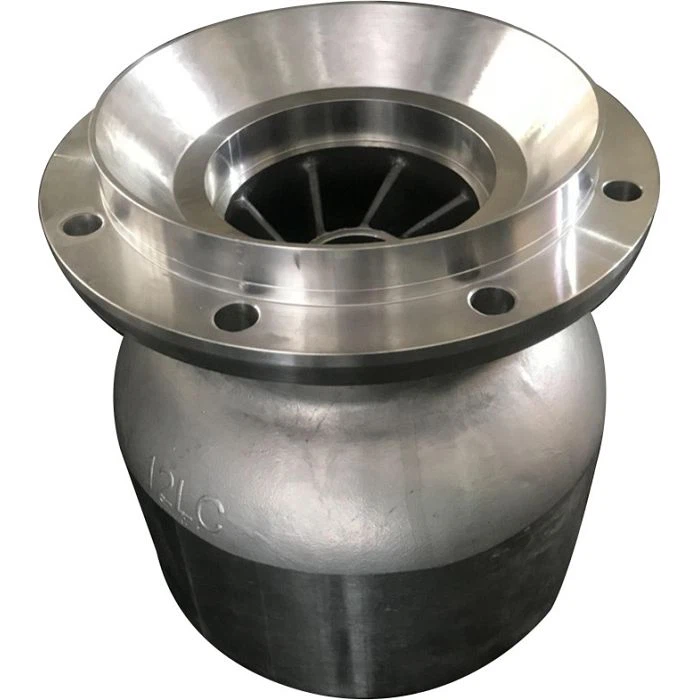
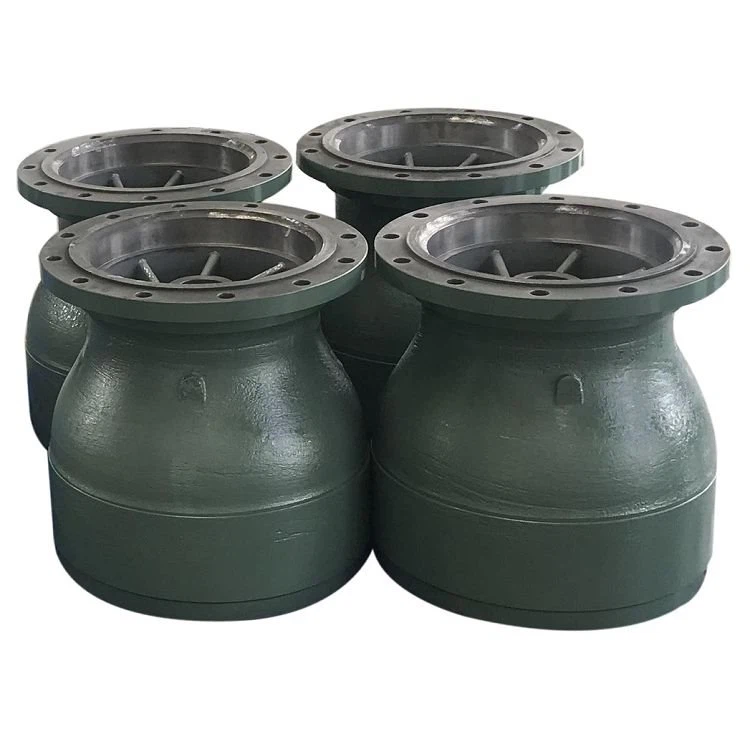
The shrinkage rate of cast iron can vary depending on a bunch of factors. One of the biggest factors is the type of cast iron we're using. There are different grades of cast iron, like gray cast iron, white cast iron, and ductile cast iron, each with its own unique properties and shrinkage rates.
Gray cast iron is one of the most commonly used types. It has a relatively high carbon content, which gives it good casting properties. The shrinkage rate of gray cast iron typically ranges from about 0.8% to 1.2%. This means that for every 100 cubic centimeters of molten gray cast iron, you can expect it to shrink by about 0.8 to 1.2 cubic centimeters as it cools and solidifies.
White cast iron, on the other hand, has a lower carbon content and a different microstructure. It's harder and more brittle than gray cast iron. The shrinkage rate of white cast iron is usually a bit higher, ranging from about 1.2% to 1.5%. This higher shrinkage rate can make it a bit more challenging to work with, as it requires more careful design and control during the casting process.
Ductile cast iron, also known as nodular cast iron, is a special type of cast iron that has graphite nodules in its microstructure. These nodules give it better ductility and toughness compared to other types of cast iron. The shrinkage rate of ductile cast iron is similar to that of gray cast iron, usually around 0.8% to 1.2%. If you're interested in ductile cast iron casting, you can check out our Ductile Iron Casting page for more details.
Another factor that can affect the shrinkage rate is the shape and size of the casting. Complex shapes with thin walls and sharp corners can have different shrinkage characteristics compared to simple, thick-walled castings. Thin-walled castings tend to cool down faster, which can lead to a higher shrinkage rate. On the other hand, thick-walled castings may take longer to cool, and the shrinkage may be more evenly distributed.
The pouring temperature of the molten iron also plays a role. If the pouring temperature is too high, the iron will have more energy as it cools, which can result in a higher shrinkage rate. Conversely, if the pouring temperature is too low, the iron may not flow properly, leading to other casting defects.
So, why is it so important to know the shrinkage rate of cast iron casting? Well, if we don't account for shrinkage, the final casting may not meet the required dimensions. This can lead to parts that don't fit together properly, causing problems in the assembly process or even failure of the final product. By understanding the shrinkage rate, we can make adjustments to the mold design. For example, we can add extra material to the mold in areas where shrinkage is expected, so that the final casting will have the correct dimensions after cooling.
As a cast iron casting supplier, we have a lot of experience in dealing with shrinkage. We use advanced simulation software to predict the shrinkage behavior of the cast iron during the cooling process. This allows us to optimize the mold design and ensure that the final castings meet the tightest dimensional tolerances.
In addition to the standard types of cast iron, we also offer specialized castings for specific applications. For example, we have Wear Resistant Pump Parts made from high-quality cast iron. These parts are designed to withstand the harsh conditions of pumping abrasive fluids, and we take into account the shrinkage rate during the manufacturing process to ensure their reliability and performance.
We also provide Stainless Steel Pump Casting for applications where corrosion resistance is a key requirement. Stainless steel has its own shrinkage characteristics, and our team of experts knows how to handle them to produce high-quality castings.
If you're in the market for cast iron castings or any of our other products, I encourage you to get in touch with us. We're always happy to discuss your specific requirements and provide you with the best solutions. Whether you need a small batch of custom castings or a large-scale production run, we have the expertise and resources to meet your needs.
In conclusion, the shrinkage rate of cast iron casting is an important factor that needs to be carefully considered in the casting process. By understanding the different types of shrinkage, the factors that affect it, and how to account for it in the mold design, we can produce high-quality castings that meet the strictest standards. If you have any questions or need more information, don't hesitate to reach out. We're here to help you make the most of your casting projects.
References
- "Foundry Technology Handbook" - Covers various aspects of casting processes including shrinkage rates.
- "Materials Science and Engineering: An Introduction" - Provides in - depth knowledge about the properties of different types of cast iron and their behavior during solidification.