Yo, fellow pump enthusiasts! I'm a supplier of submersible pumps, and today I wanna dig into the cavitation phenomenon in submersible pumps.
Let's start with the basics. You might be thinking, what the heck is cavitation? Well, cavitation occurs when the pressure of a liquid in a pump drops below its vapor pressure, causing the liquid to form vapor bubbles. These bubbles then collapse when they move to areas of higher pressure, and this whole process can create some serious issues for your submersible pump.
Now, I know that's a bit of a technical explanation, so let me break it down for you in a more practical way. Imagine you've got a submersible pump sucking water up from a well. As the water moves through the pump, the pressure can change, and if it drops low enough, those vapor bubbles start to form. It's kind of like when you boil water on the stove - the water turns into steam (vapor) when it reaches a certain temperature and pressure. But in a pump, these bubbles aren't a good thing.
When those bubbles collapse, they produce shock waves that can damage the pump components. Over time, this can lead to erosion of the impeller, housing, and other parts. You'll start to notice some signs of trouble, like reduced pump performance, vibration, and increased noise. And if you ignore these signs, you could end up with a pump that just doesn't work at all.
One of the main causes of cavitation in submersible pumps is improper installation. If the pump is installed too high above the water level, the suction pressure can drop, making it more likely for cavitation to occur. That's why it's super important to follow the manufacturer's installation guidelines carefully. Another cause can be a clogged intake or a damaged impeller. If the water can't flow freely through the pump, it can create pressure variations that lead to cavitation.
So, how can you prevent cavitation in your submersible pump? Well, first off, make sure the pump is installed correctly. Check the water level regularly to ensure it's within the recommended range. If you're using a submersible pump for a long - term project, consider installing a pressure sensor or a flow meter. These can help you monitor the operating conditions and detect any potential issues early on.
Let's talk about the different types of submersible pumps and how cavitation can affect them. For example, the Submersible Motor Pump is commonly used in boreholes for water supply. Cavitation in this type of pump can not only damage the impeller but also reduce the efficiency of the motor. Since the motor is an integral part of the pump, any damage to it can be costly to repair.
The Submersible Motor itself is also at risk. If cavitation occurs, the shock waves can cause the motor to vibrate excessively. This vibration can lead to loose connections, overheating, and even premature failure of the motor. So, it's crucial to keep an eye on the motor's performance and look out for any signs of cavitation.
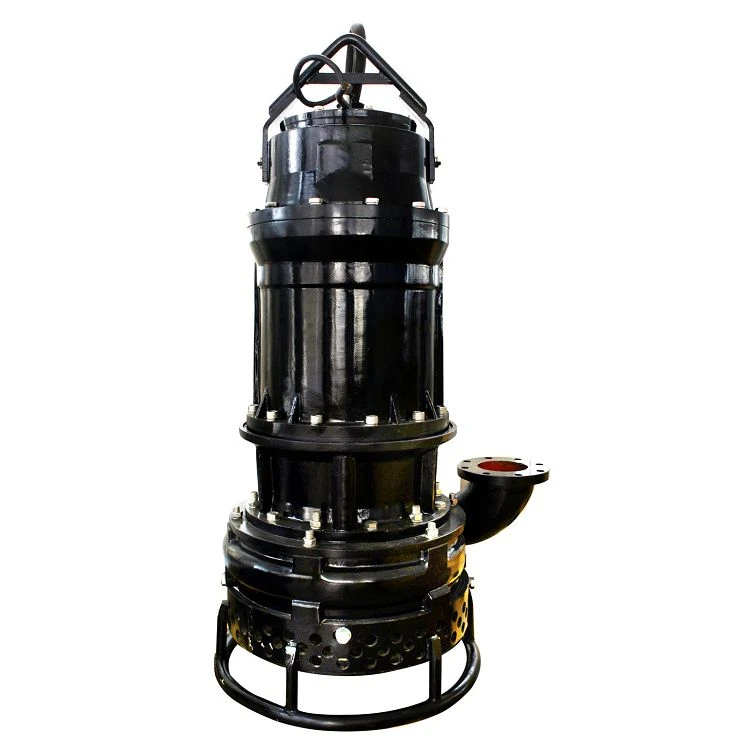
Then we have the Submersible Slurry Pump. These pumps are used to handle abrasive slurries, which means they're already under a lot of stress. Cavitation in a submersible slurry pump can accelerate the wear and tear on the impeller and other parts. The abrasive nature of the slurry combined with the shock waves from cavitation can cause rapid erosion, reducing the pump's lifespan significantly.
As a submersible pump supplier, I've seen firsthand the damage that cavitation can cause. That's why I always recommend regular maintenance and inspection of your pumps. If you notice any strange noises, vibrations, or a drop in performance, don't wait - get it checked out right away.

If you're in the market for a new submersible pump or need some advice on preventing cavitation, I'm here to help. Whether you're a homeowner looking for a reliable water supply pump or a business owner in need of a heavy - duty slurry pump, we've got a wide range of products to meet your needs.
Don't let cavitation ruin your pump and your day. Take the necessary steps to prevent it, and if you have any questions, feel free to reach out. We can have a chat about your specific requirements and find the best solution for you. So, if you're interested in purchasing a submersible pump or just want to learn more, get in touch. Let's make sure your pumping system runs smoothly and efficiently for years to come.
References
- "Fluid Mechanics" by Frank White
- "Pump Handbook" by Igor Karassik