Hey there! As a pump bowl supplier, I often get asked about the corrosion resistance of pump bowls. It's a crucial factor that can significantly impact the performance and lifespan of a pump. So, let's dive into what corrosion resistance means for a pump bowl and why it matters.
What is Corrosion Resistance?
Corrosion is basically the gradual destruction of materials, usually metals, by chemical reactions with their environment. When it comes to pump bowls, corrosion can cause all sorts of problems. It can lead to leaks, reduce the efficiency of the pump, and even result in complete failure. Corrosion resistance, then, is the ability of a pump bowl to withstand these chemical attacks and keep functioning properly over time.
Factors Affecting Corrosion Resistance
A bunch of factors can influence how well a pump bowl resists corrosion. First off, the material of the pump bowl is super important. Different materials have different levels of resistance to corrosion. For example, stainless steel is known for its excellent corrosion resistance. It contains chromium, which forms a thin, protective oxide layer on the surface of the metal. This layer helps prevent further corrosion by acting as a barrier between the metal and the corrosive environment. You can check out our Stainless Steel Bowl for more details on this option.
Another factor is the environment in which the pump operates. If the pump is used in a harsh environment with high levels of chemicals, salts, or acids, it will face more corrosion challenges. For instance, pumps used in the chemical industry or in coastal areas where there's a lot of salt in the air are at a higher risk of corrosion. Temperature also plays a role. Higher temperatures can speed up the corrosion process, so pumps operating in hot environments need to have better corrosion resistance.
Types of Corrosion in Pump Bowls
There are several types of corrosion that pump bowls can experience. One common type is uniform corrosion, where the entire surface of the pump bowl corrodes at a relatively even rate. This can lead to a thinning of the material over time, which weakens the pump bowl and can eventually cause it to fail.
Pitting corrosion is another issue. It's a localized form of corrosion that results in small pits or holes in the surface of the pump bowl. These pits can quickly penetrate deep into the material, causing structural damage. Pitting corrosion is often more difficult to detect and can be more dangerous than uniform corrosion because it can lead to sudden failures.
Crevice corrosion occurs in narrow gaps or crevices in the pump bowl, such as where two parts are joined together. The stagnant environment in these crevices can cause a build - up of corrosive agents, leading to accelerated corrosion.
Improving Corrosion Resistance
As a supplier, we have a few ways to improve the corrosion resistance of our pump bowls. One method is to choose the right material. We offer different options depending on the application. For less harsh environments, cast iron pump bowls might be sufficient. But for more demanding situations, we recommend materials like stainless steel or glass - lined bowls. Our Glass - Lined Bowl is a great choice for applications where high levels of corrosion resistance are required. The glass lining provides an additional layer of protection against corrosive substances.
Coatings can also be applied to the pump bowls to enhance their corrosion resistance. There are various types of coatings available, such as epoxy coatings, which can form a protective barrier on the surface of the pump bowl. These coatings can be customized to suit different environments and levels of corrosion risk.
Proper maintenance is also crucial for maintaining the corrosion resistance of pump bowls. Regular inspections can help detect early signs of corrosion, allowing for timely repairs or replacements. Cleaning the pump bowls to remove any corrosive substances or debris can also prevent the build - up of corrosive agents.
Testing Corrosion Resistance
Before we supply our pump bowls, we conduct various tests to ensure their corrosion resistance. One common test is the salt spray test. In this test, the pump bowl samples are exposed to a salt - laden mist for a certain period of time. After the test, the samples are examined for signs of corrosion, such as rust or pitting. This test gives us an idea of how well the pump bowl will perform in a marine or salty environment.
We also use electrochemical tests to measure the corrosion rate of the pump bowl materials. These tests involve applying an electrical current to the sample and measuring the resulting electrochemical reactions. By analyzing these reactions, we can determine the corrosion resistance of the material.
Why Corrosion Resistance Matters for Your Business
If you're in the market for a pump bowl, corrosion resistance should be a top priority. A pump bowl with good corrosion resistance will last longer, reducing the need for frequent replacements. This can save you a lot of money in the long run. It also means less downtime for your operations, as you won't have to deal with pump failures as often.

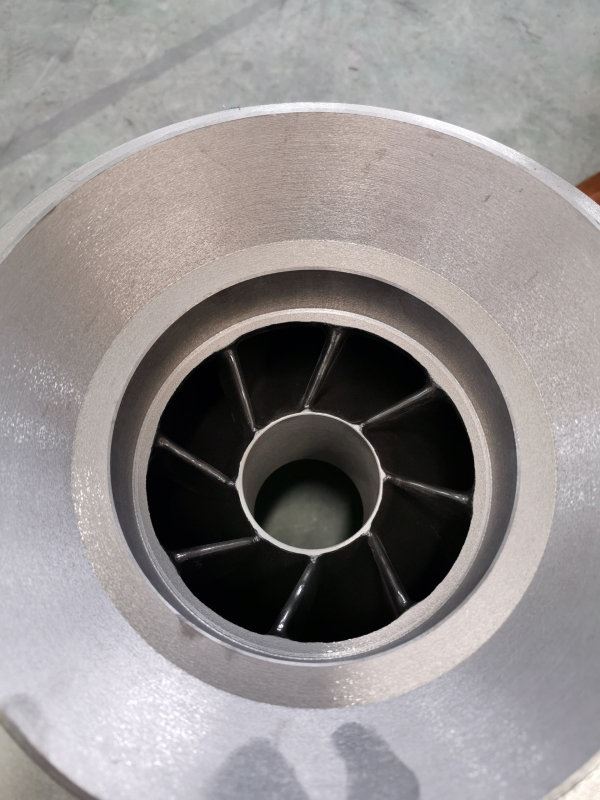
In industries where safety is a concern, such as the chemical or food processing industries, a corroded pump bowl can pose a serious risk. It can lead to leaks of hazardous substances, which can be dangerous for workers and the environment. So, choosing a pump bowl with high corrosion resistance is not only a cost - effective decision but also a safety - conscious one.
Conclusion
In conclusion, the corrosion resistance of a pump bowl is a complex but essential aspect to consider. It depends on factors like the material, the operating environment, and the type of corrosion. As a pump bowl supplier, we're committed to providing high - quality pump bowls with excellent corrosion resistance. Whether you need a Stainless Steel Bowl for a marine application or a Glass - Lined Bowl for a chemical process, we've got you covered.
If you're interested in learning more about our pump bowls or have specific requirements for your project, don't hesitate to reach out. We're here to help you find the perfect pump bowl solution with the right level of corrosion resistance for your needs. Let's talk and see how we can work together to keep your pumps running smoothly.
References
- Fontana, M. G. (1986). Corrosion Engineering. McGraw - Hill.
- Uhlig, H. H., & Revie, R. W. (1985). Corrosion and Corrosion Control. Wiley.