Hey there! As a supplier of Cast Iron Casting, I often get asked about the cost of cast iron casting. It's a topic that's super important for both us suppliers and those looking to buy these products. So, let's dive right in and break down what goes into the cost of cast iron casting.
1. Raw Material Costs
The first and most obvious factor in the cost of cast iron casting is the raw material. Cast iron is made up of iron, carbon, and silicon, along with small amounts of other elements. The price of these raw materials can fluctuate a lot based on market conditions. For example, if there's a high demand for iron ore in the global market, the cost of iron will go up, and that directly impacts the cost of making cast iron.
Different types of cast iron also have different raw material requirements. For instance, Ductile Iron Casting has a different chemical composition compared to regular cast iron. Ductile iron contains magnesium, which helps to give it its unique ductile properties. So, the addition of magnesium and the need for a more precise chemical balance can increase the raw material cost.
2. Manufacturing Process Costs
The manufacturing process of cast iron casting is complex and involves several steps, each with its own associated costs.
Melting
The first step is melting the raw materials. This requires a lot of energy, usually in the form of electricity or natural gas. The cost of energy is a significant part of the overall manufacturing cost. If energy prices are high, it's going to cost more to melt the iron. Also, the type of furnace used can affect the cost. Some furnaces are more energy - efficient than others, but they might also have a higher upfront cost.
Molding
Molding is another crucial step. There are different molding methods, such as sand molding and investment casting. Sand molding is relatively cheaper and more commonly used for large - scale production. However, it requires a lot of sand and labor to create the molds. Investment casting, on the other hand, is more precise but also more expensive. It involves creating wax patterns, coating them with a ceramic shell, and then melting out the wax. The cost of the wax, ceramic materials, and the labor - intensive process all contribute to the higher cost.
Pouring and Cooling
Once the iron is melted and the molds are ready, it's time to pour the molten iron into the molds. This has to be done carefully to avoid defects. After pouring, the castings need to cool down slowly to ensure proper solidification. The time and energy required for this cooling process also add to the cost.
Finishing
After the castings have cooled, they need to be finished. This includes removing the excess material, cleaning the castings, and sometimes machining them to achieve the desired dimensions. Machining can be quite expensive, especially if high - precision equipment is required. For example, if a casting needs to have very smooth surfaces or tight tolerances, it will require more advanced machining techniques and tools, which increase the cost.
3. Quality Control Costs
Quality control is essential in cast iron casting. We can't just send out products that are full of defects. There are several quality control measures in place, and each one has a cost associated with it.
Inspection
We need to inspect the castings at different stages of the manufacturing process. This can involve visual inspections, non - destructive testing (like ultrasonic testing to check for internal defects), and dimensional inspections. The equipment and labor required for these inspections add to the overall cost.
Testing
In addition to inspections, we also conduct various tests on the castings. For example, we might test the mechanical properties of the cast iron, such as its tensile strength and hardness. These tests require specialized equipment and trained personnel, which again contribute to the cost.
4. Overhead Costs
Overhead costs are the indirect costs associated with running a casting business. These include things like rent for the factory space, salaries of administrative staff, insurance, and maintenance of equipment.
Factory Space
The cost of renting or owning a factory space is a significant overhead cost. A large factory is needed to accommodate all the equipment for melting, molding, and finishing the castings. The location of the factory can also affect the rent. If it's in an area with high real - estate prices, the rent will be higher.
Administrative Staff
We need administrative staff to handle things like sales, accounting, and customer service. Their salaries are part of the overhead cost. Also, the cost of office supplies, software, and communication systems used by the administrative staff all add up.
Insurance and Maintenance
Insurance is necessary to protect the business from various risks, such as property damage and liability claims. The cost of insurance premiums is an overhead cost. Maintenance of the equipment is also crucial. Regular maintenance helps to keep the equipment in good working condition and prevent breakdowns. The cost of spare parts, maintenance labor, and the downtime during maintenance all contribute to the overall cost.
5. Market Factors
The market also plays a role in determining the cost of cast iron casting.
Supply and Demand
If there's a high demand for cast iron castings and the supply is limited, the prices will go up. On the other hand, if there's an oversupply in the market, the prices will likely come down. For example, if there's a boom in the construction industry, the demand for cast iron pipes and fittings will increase, which can drive up the prices.
Competition
Competition among suppliers also affects the cost. In a highly competitive market, suppliers might lower their prices to attract more customers. However, they also need to make sure they can cover their costs and make a profit. So, the level of competition can lead to price fluctuations.
6. Customization and Quantity
The level of customization and the quantity of the order can have a big impact on the cost.
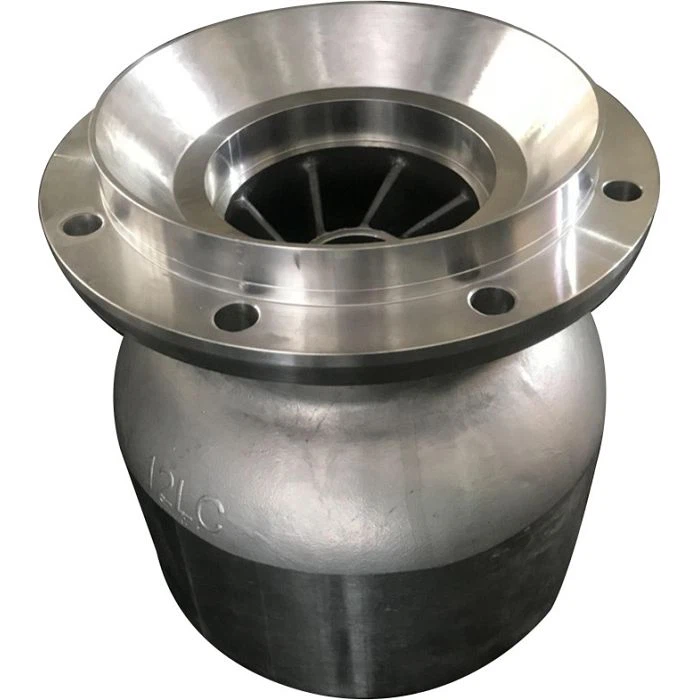
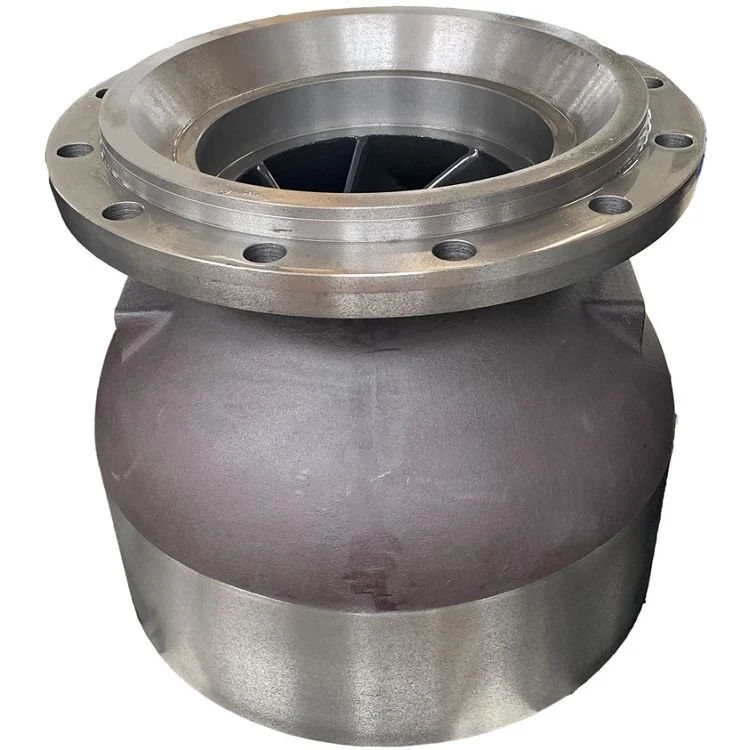
Customization
If a customer wants a custom - designed casting, it will require more engineering work, new molds, and potentially more testing. This can significantly increase the cost. For example, if a customer needs a casting with a unique shape or special properties, we have to invest more time and resources into the design and manufacturing process.
Quantity
The quantity of the order also matters. Generally, the more castings you order, the lower the unit cost. This is because many of the costs, such as mold - making and setup costs, are fixed. When these fixed costs are spread over a larger number of castings, the cost per casting goes down.
Conclusion
So, as you can see, the cost of cast iron casting is influenced by many factors, from raw material prices to market conditions. At our company, we strive to offer high - quality Cast Iron Casting at a competitive price. We carefully manage our costs at every stage of the manufacturing process to ensure that we can provide value to our customers.
If you're in the market for cast iron casting or Stainless Steel Pump Casting, we'd love to talk to you. Whether you have a small custom order or a large - scale production requirement, we have the expertise and resources to meet your needs. Contact us to start a conversation about your casting requirements and let's work together to find the best solution for you.
References
- "The Handbook of Casting" by R. M. German
- "Foundry Technology" by A. K. Biswas