When it comes to water pumps, many people might think they're all the same. However, there's a significant difference between a sea water pump and a regular water pump. As a sea water pump supplier, I've witnessed firsthand the unique requirements and challenges that come with sea water applications. In this blog post, I'll delve into the key differences between these two types of pumps, and explain why choosing the right pump is crucial for your specific needs.
Material Composition
One of the most fundamental differences between sea water pumps and regular water pumps lies in their material composition. Regular water pumps are typically designed for use with fresh water, which is relatively clean and non - corrosive. As a result, they can be made from a variety of materials, such as cast iron, plastic, or aluminum. These materials are cost - effective and work well in fresh water environments.
On the other hand, sea water is highly corrosive due to its high salt content. Sea water pumps must be constructed from materials that can withstand the harsh marine environment. Common materials used in sea water pumps include stainless steel, bronze, and titanium. Stainless steel is a popular choice because it offers good corrosion resistance at a reasonable cost. Bronze is also widely used, especially in applications where high strength and excellent corrosion resistance are required. Titanium, although more expensive, provides the highest level of corrosion resistance and is often used in critical or long - term sea water applications.
Sealing and Lubrication
Sealing is another area where sea water pumps and regular water pumps differ. In a regular water pump, the sealing requirements are less stringent because fresh water does not cause the same level of corrosion or damage to the pump components. Standard rubber seals are often sufficient to prevent water leakage.
In sea water pumps, however, the seals must be able to withstand the corrosive effects of sea water. Specialized seals made from materials like Viton or EPDM are commonly used. These materials have excellent resistance to chemicals and can maintain their integrity in the presence of salt water. Additionally, the lubrication system in a sea water pump needs to be carefully designed. Sea water can wash away lubricants, so sea water pumps often use lubricants that are specifically formulated to resist the effects of salt water and provide long - lasting protection to the pump's moving parts.
Performance and Design
The performance requirements for sea water pumps and regular water pumps also vary. Regular water pumps are usually designed for applications where the water source is relatively close to the pump, and the pressure requirements are relatively low. For example, a regular water pump might be used to pump water from a well or a small pond for domestic use.
Sea water pumps, on the other hand, are often used in more demanding applications. They may need to pump sea water over long distances, or to high - pressure systems such as desalination plants or shipboard cooling systems. As a result, sea water pumps are typically designed with higher flow rates and greater pressure capabilities. They also need to be more robustly constructed to handle the additional stress and wear associated with pumping sea water.
In terms of design, sea water pumps may have special features to prevent clogging. Sea water contains various debris such as sand, shells, and marine organisms. To address this issue, sea water pumps may be equipped with strainers or filters at the intake to remove large particles before they enter the pump. Some sea water pumps also have self - cleaning mechanisms to prevent the build - up of debris inside the pump.
Types of Sea Water Pumps
There are several types of sea water pumps available in the market. Two common types are submersible sea water pumps and centrifugal sea water pumps.
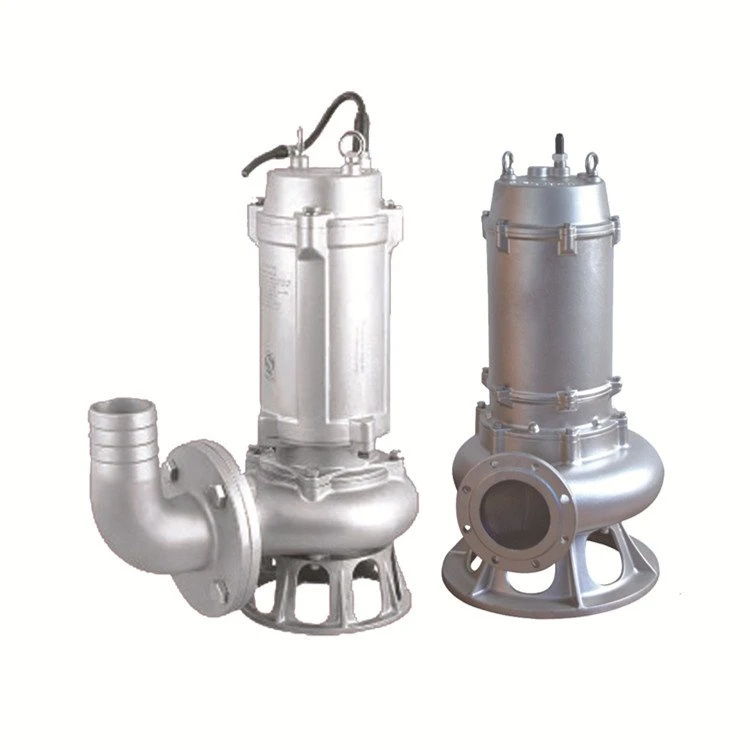
A Submersible Sea Water Pump is designed to be fully submerged in sea water. This type of pump is often used in applications where space is limited or where the water source is deep. Submersible sea water pumps are typically more efficient because they do not need to prime the suction line. They are also less likely to cavitate, which is a phenomenon that can damage the pump impeller and reduce its performance.
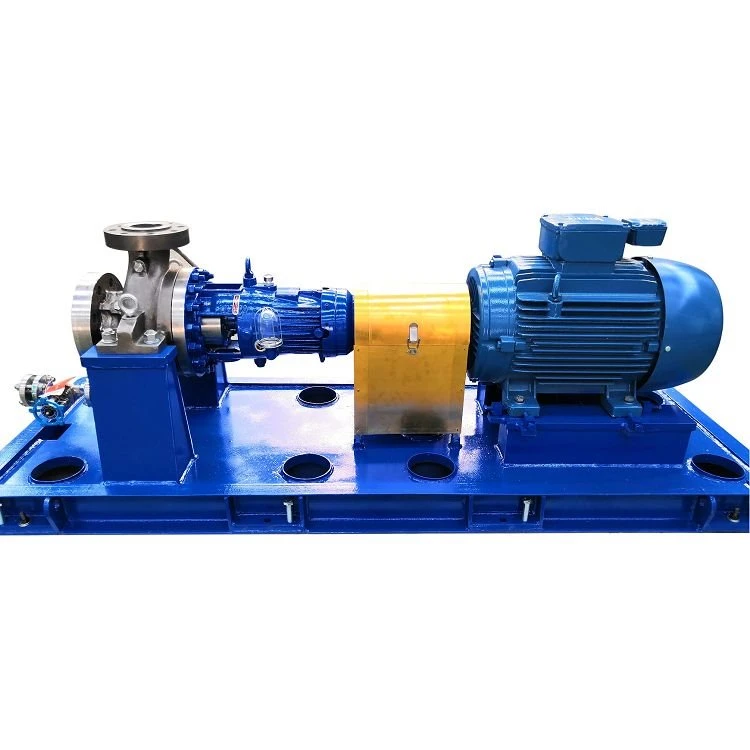
A Centrifugal Sea Water Pump, on the other hand, uses centrifugal force to move the sea water. Centrifugal sea water pumps are widely used in industrial and marine applications due to their high flow rates and relatively simple design. They can be easily installed and maintained, and are suitable for a wide range of sea water pumping tasks, from cooling systems to ballast water management.
Applications
The applications of sea water pumps and regular water pumps are distinct. Regular water pumps are mainly used in domestic, agricultural, and some light - industrial settings. For example, they can be used for watering gardens, supplying water to homes, or in small - scale manufacturing processes that use fresh water.
Sea water pumps, as the name suggests, are used in applications related to the sea. They are essential in the shipping industry for tasks such as cooling the ship's engines, ballasting the ship to maintain stability, and fire - fighting systems. In coastal power plants, sea water pumps are used to draw in sea water for cooling purposes. Desalination plants also rely on sea water pumps to supply large volumes of sea water for the desalination process.
Choosing the Right Pump
Selecting the right pump for your application is crucial. If you're dealing with fresh water, a regular water pump may be sufficient and more cost - effective. However, if your application involves sea water, it's essential to choose a sea water pump that is specifically designed to handle the challenges of the marine environment.
When choosing a sea water pump, consider factors such as the flow rate, pressure requirements, the type of sea water application, and the expected lifespan of the pump. It's also important to work with a reputable supplier who can provide you with expert advice and high - quality products.
As a sea water pump supplier, I understand the importance of providing reliable and efficient pumps for our customers. Whether you need a submersible sea water pump for a small marine project or a large - scale centrifugal sea water pump for an industrial application, we have the expertise and the products to meet your needs. If you're interested in learning more about our sea water pumps or would like to discuss your specific requirements, please feel free to reach out to us. We're here to help you make the right choice for your sea water pumping needs.
References
- "Pump Handbook" by Igor Karassik, Joseph P. Messina, Paul Cooper, and Charles C. Heald.
- "Marine Engineering: Principles, Practices and Regulations" by John Carlton.
- Technical literature from various pump manufacturers on sea water pump design and performance.