Alignment in a vertical in-line pump is a critical factor that significantly impacts its performance, reliability, and longevity. As a supplier of Vertical In Line Pumps, I've witnessed firsthand the far-reaching consequences of proper and improper alignment. In this blog, I'll delve into the importance of alignment in these pumps and why it should be a top priority for anyone involved in their operation and maintenance.
Understanding Vertical In-Line Pumps
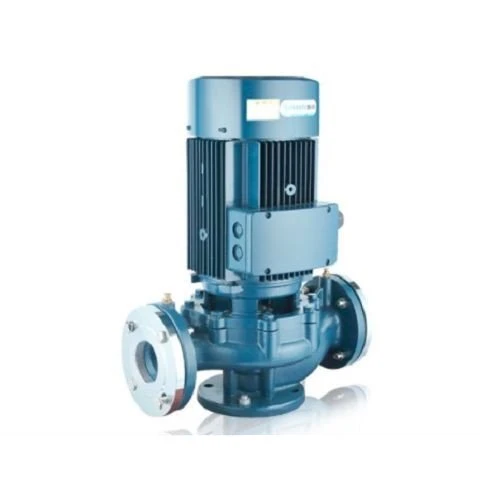
Before we explore the importance of alignment, let's briefly understand what vertical in-line pumps are. These pumps are designed with the suction and discharge ports in a straight line, which allows for easy installation in a piping system. They are commonly used in various applications, including HVAC systems, water supply, and industrial processes. Their vertical design makes them space-efficient and suitable for installations where floor space is limited. For more information about our Vertical In Line Pump, you can visit Vertical In Line Pump.
The Basics of Alignment
Alignment refers to the precise positioning of the pump shaft and the motor shaft so that they are in a straight line. In a vertical in-line pump, proper alignment ensures that the pump and motor operate smoothly together, minimizing vibration and wear. There are two main types of alignment: angular and parallel. Angular alignment refers to the alignment of the shafts in the vertical plane, while parallel alignment ensures that the shafts are parallel to each other.
Importance of Alignment in Performance
One of the primary reasons why alignment is so important in a vertical in-line pump is its impact on performance. When the pump and motor are properly aligned, the pump can operate at its optimal efficiency. This means that it can deliver the required flow rate and pressure with less energy consumption. On the other hand, misalignment can cause the pump to work harder than necessary, leading to increased energy costs and reduced performance.
For example, if the shafts are not properly aligned, the impeller may not rotate smoothly, causing turbulence and cavitation in the pump. Cavitation is a phenomenon where bubbles form in the liquid due to low pressure and then collapse, creating shock waves that can damage the impeller and other pump components. This not only reduces the pump's efficiency but also shortens its lifespan.
Impact on Reliability and Longevity
Proper alignment also plays a crucial role in the reliability and longevity of a vertical in-line pump. When the pump and motor are misaligned, it can cause excessive vibration, which can lead to premature wear and tear on the bearings, seals, and other components. Over time, this can result in component failure and costly repairs or replacements.
In addition, misalignment can also cause the pump to run out of balance, which can further exacerbate the vibration problem. This can lead to increased stress on the pump housing and other structural components, potentially causing cracks or other damage. By ensuring proper alignment, you can reduce the risk of these issues and extend the life of your pump.
Safety Considerations
Alignment is not only important for performance and reliability but also for safety. Excessive vibration caused by misalignment can pose a safety hazard to operators and maintenance personnel. The vibration can cause loose parts to fall off, and in extreme cases, it can even cause the pump to break free from its mounting, resulting in a dangerous situation.
By maintaining proper alignment, you can minimize the risk of vibration-related safety issues and ensure a safe working environment for everyone involved.
Alignment Techniques
There are several techniques available for aligning a vertical in-line pump. One common method is the use of dial indicators, which can measure the amount of misalignment between the pump and motor shafts. Another method is the use of laser alignment systems, which are more accurate and efficient than dial indicators.
Regardless of the method used, it's important to follow the manufacturer's guidelines and procedures for alignment. This will ensure that the alignment is done correctly and that the pump operates at its best.
Maintenance and Monitoring
Proper alignment is not a one-time event but an ongoing process. Regular maintenance and monitoring are essential to ensure that the pump remains properly aligned over time. This includes checking the alignment periodically and making any necessary adjustments.
In addition, it's also important to monitor the pump's performance and vibration levels. Any significant changes in these parameters could indicate a problem with the alignment or other components. By detecting and addressing these issues early, you can prevent more serious problems from occurring.
Case Studies
To illustrate the importance of alignment in a vertical in-line pump, let's look at a few case studies. In one case, a manufacturing plant was experiencing high energy costs and frequent pump failures in their vertical in-line pump system. After a thorough inspection, it was found that the pumps were severely misaligned. Once the alignment was corrected, the energy costs were reduced by 20%, and the pump failures were significantly reduced.
In another case, a water treatment facility was experiencing excessive vibration in their vertical in-line pumps. After an alignment check, it was discovered that the pumps were out of alignment due to a foundation settlement. Once the alignment was adjusted and the foundation was repaired, the vibration was eliminated, and the pumps were able to operate smoothly.
Conclusion
In conclusion, alignment is a critical factor in the performance, reliability, and safety of a vertical in-line pump. As a supplier of Vertical In Line Pumps, I highly recommend that you pay close attention to alignment during installation, operation, and maintenance. By ensuring proper alignment, you can improve the efficiency of your pump, extend its lifespan, and reduce the risk of costly repairs and downtime.
If you're in the market for a vertical in-line pump or need assistance with alignment or maintenance, please don't hesitate to contact us. We have a team of experts who can provide you with the guidance and support you need to ensure that your pump operates at its best.
In addition to Vertical In Line Pumps, we also offer a range of other pumps, including Mine Multistage Centrifugal Pump and Slurry Pump. Our pumps are designed to meet the highest standards of quality and performance, and we are committed to providing our customers with the best possible products and services.
If you have any questions or would like to discuss your specific pumping needs, please contact us. We look forward to working with you.
References
- "Pump Handbook" by Igor J. Karassik et al.
- "Centrifugal Pumps: Design and Application" by Jack P. Lorenz.
- Manufacturer's manuals and technical documentation for vertical in-line pumps.