Centrifugal pumps are one of the most widely used types of pumps in various industries due to their simplicity, efficiency, and versatility. When it comes to centrifugal pumps, there are two main categories: self - priming centrifugal pumps and non - self - priming centrifugal pumps. As a centrifugal pump supplier, I've encountered numerous inquiries about the differences between these two types of pumps. In this blog, I'll delve into the key distinctions to help you make an informed decision when choosing the right pump for your specific application.
Working Principle
The fundamental difference between self - priming and non - self - priming centrifugal pumps lies in their working principles, especially in the process of priming.
Non - self - priming centrifugal pumps
Non - self - priming centrifugal pumps rely on an external means to fill the pump casing and suction line with the liquid to be pumped before operation. This is because these pumps cannot evacuate air from the suction line on their own. When the pump is started, the impeller rotates, creating a low - pressure area at the eye of the impeller. If the suction line is filled with air, the pump will not be able to generate enough pressure to lift the liquid. Therefore, the pump must be manually primed, which typically involves opening a vent valve, filling the pump and suction line with liquid, and then closing the vent valve before starting the pump.
Self - priming centrifugal pumps
Self - priming centrifugal pumps, on the other hand, are designed to evacuate air from the suction line and prime themselves without external assistance. They achieve this through a special design that allows the pump to create a partial vacuum in the suction line. When the pump is started, the impeller rotates, and the liquid in the pump casing is forced out through the discharge port. This creates a low - pressure area in the pump casing, which draws air from the suction line into the casing. The air and liquid mixture is then discharged through the pump, and as the air is gradually removed from the suction line, the pump becomes primed and can start pumping the liquid.
Design Features
The design of self - priming and non - self - priming centrifugal pumps also varies significantly to accommodate their different working principles.
Non - self - priming centrifugal pumps
Non - self - priming centrifugal pumps usually have a simpler design. They typically consist of an impeller, a volute casing, a suction port, and a discharge port. The impeller is the main rotating component that imparts kinetic energy to the liquid. The volute casing is designed to convert the kinetic energy of the liquid into pressure energy. These pumps are often more compact and less expensive than self - priming pumps because they do not require additional components for self - priming. However, their installation requires careful attention to ensure proper priming, such as ensuring that the suction line is always below the liquid level or using a foot valve to prevent the liquid from draining out of the suction line when the pump is stopped.
Self - priming centrifugal pumps
Self - priming centrifugal pumps have a more complex design to enable self - priming. They often include additional components such as a priming chamber, a check valve, and a recirculation passage. The priming chamber is used to store a certain amount of liquid, which helps to create a partial vacuum during the priming process. The check valve prevents the backflow of liquid from the discharge line into the suction line, ensuring that the pump can maintain its prime. The recirculation passage allows the liquid to flow back to the impeller during the priming process, facilitating the removal of air from the suction line. Due to their more complex design, self - priming centrifugal pumps are generally larger and more expensive than non - self - priming pumps.
Performance Characteristics
The performance of self - priming and non - self - priming centrifugal pumps also differs in several aspects.
Suction Lift
One of the most significant differences in performance is the suction lift. Non - self - priming centrifugal pumps have a limited suction lift because they rely on external priming. If the suction lift is too high, it may be difficult to manually prime the pump, and the pump may not be able to generate enough pressure to lift the liquid. Self - priming centrifugal pumps, however, can typically handle higher suction lifts. They are capable of evacuating air from the suction line over a greater distance, allowing them to lift liquid from deeper sources.
Efficiency
In general, non - self - priming centrifugal pumps tend to be more efficient than self - priming pumps. This is because the additional components in self - priming pumps, such as the priming chamber and recirculation passage, can cause some energy losses. However, the efficiency difference may not be significant in all applications, and the convenience of self - priming may outweigh the slight reduction in efficiency in many cases.
Flow Rate and Head
Both self - priming and non - self - priming centrifugal pumps can be designed to achieve a wide range of flow rates and heads. However, the specific performance characteristics depend on the pump's design, impeller size, and speed. In some applications, non - self - priming pumps may be more suitable for high - flow, low - head applications, while self - priming pumps may be preferred for low - flow, high - head applications or situations where the suction conditions are variable.
Applications
The choice between self - priming and non - self - priming centrifugal pumps depends largely on the specific application requirements.
Non - self - priming centrifugal pumps
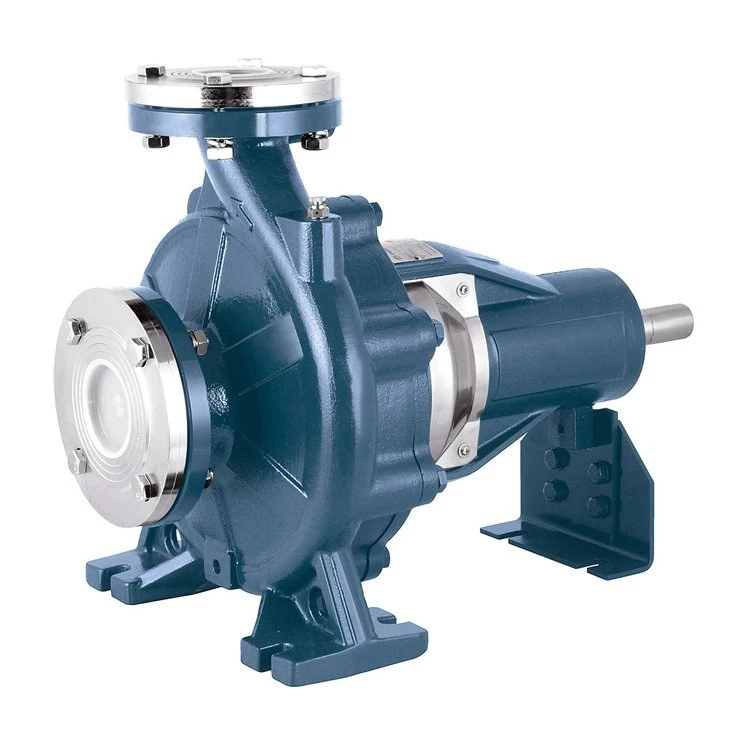
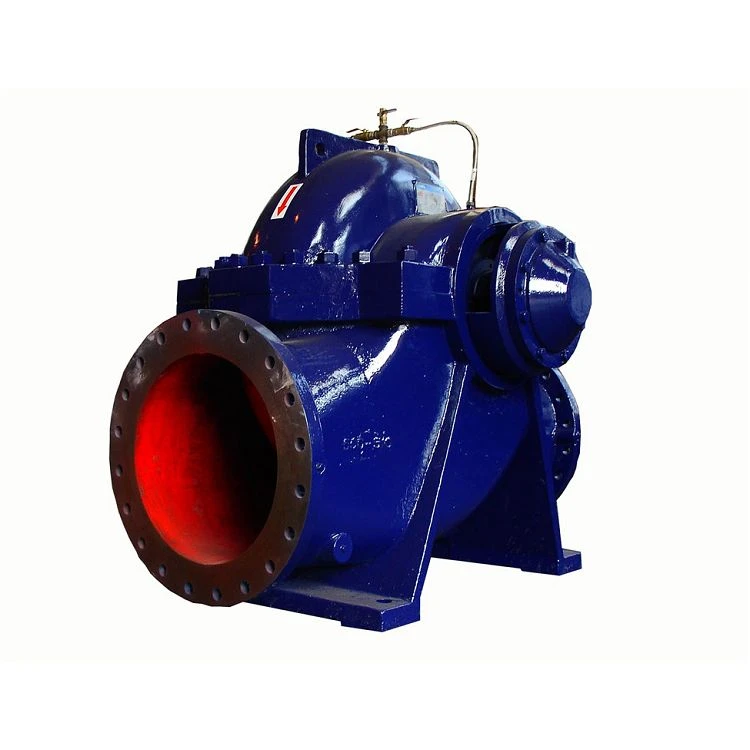
Non - self - priming centrifugal pumps are commonly used in applications where the pump can be installed below the liquid level or where a reliable external priming system is available. For example, in water supply systems where the pump is located in a basement or a pit below the water source, non - self - priming pumps can be used effectively. They are also widely used in industrial processes where the liquid is continuously available at the suction port, such as in chemical plants, power plants, and food processing industries. Some popular types of non - self - priming centrifugal pumps include the End Suction Centrifugal Pump and the Single Stage Double - Suction Centrifugal Pump.
Self - priming centrifugal pumps
Self - priming centrifugal pumps are ideal for applications where the pump is located above the liquid level or where the suction conditions are variable. They are commonly used in dewatering applications, such as draining flooded basements, construction sites, and mines. They are also used in agricultural irrigation systems where the water source may be at a lower level than the pump. Additionally, self - priming pumps are suitable for applications where the liquid contains air or gas, such as in wastewater treatment plants. The Slurry Pump is an example of a self - priming pump that is often used in applications where the liquid contains solid particles.
Maintenance and Reliability
Maintenance requirements and reliability also vary between self - priming and non - self - priming centrifugal pumps.
Non - self - priming centrifugal pumps
Non - self - priming centrifugal pumps generally have lower maintenance requirements because of their simpler design. They typically require less frequent inspection and replacement of components. However, proper priming is crucial for their reliable operation. If the pump is not properly primed, it can cause cavitation, which can damage the impeller and other components of the pump.
Self - priming centrifugal pumps
Self - priming centrifugal pumps may require more maintenance due to their more complex design. The additional components, such as the check valve and recirculation passage, need to be inspected regularly to ensure proper operation. However, their self - priming feature can enhance reliability in applications where the suction conditions are variable or where manual priming is difficult.
Conclusion
In summary, the main differences between self - priming and non - self - priming centrifugal pumps lie in their working principles, design features, performance characteristics, applications, and maintenance requirements. Non - self - priming centrifugal pumps are simpler, more efficient, and less expensive, but they require external priming. Self - priming centrifugal pumps, on the other hand, are more complex and costly but offer the convenience of self - priming, making them suitable for applications where the suction conditions are challenging.
As a centrifugal pump supplier, I understand that choosing the right pump for your application is crucial. Whether you need a non - self - priming pump for a continuous - flow industrial process or a self - priming pump for a dewatering or variable - suction application, I can provide you with a wide range of high - quality centrifugal pumps to meet your specific needs. If you have any questions or need assistance in selecting the right pump, please feel free to contact me for a consultation and procurement discussion.
References
- Karassik, I. J., Messina, J. P., Cooper, P. T., & Heald, C. C. (2008). Pump Handbook (4th ed.). McGraw - Hill.
- Stepanoff, A. J. (1957). Centrifugal and Axial Flow Pumps: Theory, Design, and Application. Wiley.