Hey there! As a supplier of Vertical In-Line Pumps, I often get asked about the differences between submersible and non-submersible vertical in-line pumps. It's a pretty common question, and I'm here to break it down for you in a way that's easy to understand.
Let's start with the basics. A vertical in-line pump is a type of centrifugal pump that's designed to be installed in a vertical position. It's commonly used for a variety of applications, including water supply, HVAC systems, and industrial processes. Now, when we talk about submersible and non-submersible versions, the main difference lies in their operating environment and design features.
Submersible Vertical In-Line Pumps
Submersible pumps are, as the name suggests, designed to be fully submerged in the fluid they're pumping. This could be water in a well, a sump, or even a sewage pit. One of the biggest advantages of submersible pumps is that they don't require a priming system. Since they're already underwater, there's no need to worry about getting the pump filled with fluid before it can start working.
Another benefit is that they're generally more quiet than non-submersible pumps. The water around the pump helps to absorb the noise generated during operation. This makes them a great choice for applications where noise is a concern, like residential areas or hospitals.
Submersible pumps also tend to be more efficient. Because they're close to the source of the fluid, they don't have to work as hard to draw the fluid into the pump. This can result in lower energy consumption and cost savings over time.
However, there are some drawbacks to submersible pumps. First of all, they're a bit more expensive to install and maintain. Since they're submerged, they need to be waterproof and corrosion-resistant. This means using specialized materials and construction techniques, which can drive up the cost. Also, if something goes wrong with the pump, it can be a hassle to get it out of the water for repairs.
Non-Submersible Vertical In-Line Pumps
Non-submersible pumps, on the other hand, are installed above the fluid level. They're typically used in applications where the fluid source is easily accessible and the pump doesn't need to be submerged. For example, in a building's water supply system, a non-submersible pump might be used to boost the water pressure.
One of the main advantages of non-submersible pumps is that they're easier to install and maintain. Since they're above the fluid, you don't have to worry about waterproofing or corrosion as much. You can easily access the pump for inspections, repairs, and replacements.
Non-submersible pumps are also more versatile in terms of location. You can install them in a dry, protected area, which can extend their lifespan. They're also less likely to be damaged by debris or other contaminants in the fluid.
But non-submersible pumps do have some limitations. They require a priming system to get the fluid into the pump. This can add to the complexity and cost of the installation. Also, they tend to be noisier than submersible pumps because they're not surrounded by water to absorb the noise.
Performance Comparison
When it comes to performance, both types of pumps have their own strengths. Submersible pumps are great for high-flow, low-head applications. They can move a large volume of fluid quickly, but they might not be able to generate as much pressure as a non-submersible pump.
Non-submersible pumps, on the other hand, are better suited for low-flow, high-head applications. They can generate a lot of pressure, which makes them ideal for pumping fluid over long distances or to high elevations.
Applications
Let's take a look at some specific applications for each type of pump.
Submersible Vertical In-Line Pumps:
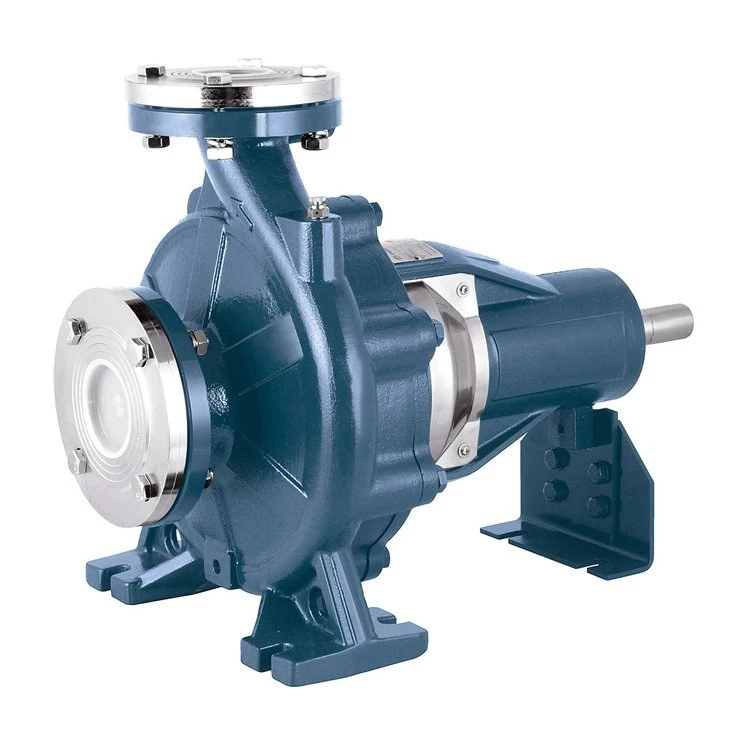
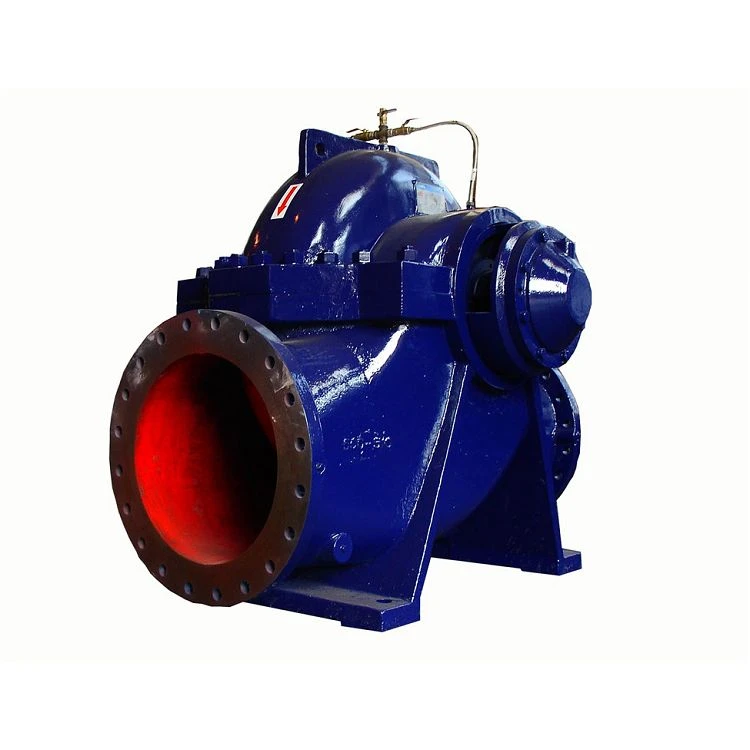
- Well Water Supply: Submersible pumps are commonly used to draw water from wells. They can be installed deep in the well and can pump water up to the surface efficiently.
- Sump Pumping: In basements or areas prone to flooding, submersible sump pumps are used to remove water and prevent water damage.
- Sewage and Wastewater Handling: Submersible pumps can handle dirty and abrasive fluids, making them suitable for sewage and wastewater applications.
Non-Submersible Vertical In-Line Pumps:
- HVAC Systems: In heating, ventilation, and air conditioning systems, non-submersible pumps are used to circulate water for heating and cooling.
- Industrial Processes: Non-submersible pumps are used in various industrial processes, such as chemical manufacturing, food processing, and power generation.
- Building Water Supply: In commercial and residential buildings, non-submersible pumps are used to boost the water pressure and ensure a consistent water supply.
Related Products
If you're still in the process of choosing the right pump for your needs, you might also be interested in some of our other products. We offer a wide range of centrifugal pumps, including End Suction Centrifugal Pump, Single Stage Double-Suction Centrifugal Pump, and Mine Multistage Centrifugal Pump. These pumps are designed to meet different requirements and can provide reliable performance in various applications.
Contact Us for Purchase and Negotiation
If you're interested in learning more about our vertical in-line pumps or any of our other products, don't hesitate to reach out. We're here to help you find the right pump solution for your specific needs. Whether you have questions about the differences between submersible and non-submersible pumps or need advice on installation and maintenance, our team of experts is ready to assist you.
References
- "Pump Handbook" by Igor J. Karassik, Joseph P. Messina, Paul Cooper, and Charles C. Heald.
- "Centrifugal Pumps: Design and Application" by Heinz P. Bloch and Allan R. Budris.