Centrifugal pumps are essential equipment in various industries, playing a crucial role in fluid transfer and circulation. As a centrifugal pump supplier, I often encounter customers who are confused about the differences between single - stage and multi - stage centrifugal pumps. In this blog, I will delve into the characteristics, applications, advantages, and disadvantages of these two types of pumps to help you make a more informed decision when choosing the right pump for your specific needs.
Working Principle
Let's first understand the basic working principle of centrifugal pumps. A centrifugal pump works by converting mechanical energy from a motor into kinetic energy in the fluid. The impeller, which rotates at high speed, imparts centrifugal force to the fluid, causing it to move radially outward from the center of the impeller and into the volute casing. As the fluid moves through the casing, its velocity is converted into pressure energy, which allows the fluid to be pumped to the desired location.
Single - Stage Centrifugal Pumps
A single - stage centrifugal pump has only one impeller. When the pump is in operation, the fluid enters the center of the impeller (the eye) and is then accelerated by the rotating impeller. The fluid gains kinetic energy as it moves through the impeller vanes and is discharged into the volute casing at a higher velocity. The volute casing then converts the kinetic energy of the fluid into pressure energy.
Single - stage centrifugal pumps are relatively simple in design and construction. They are suitable for applications where a relatively low to medium head (pressure) is required. For example, they are commonly used in water supply systems for buildings, irrigation systems, and in some industrial processes where the fluid needs to be transferred over short distances or to a limited height.
One of the well - known types of single - stage centrifugal pumps is the Single Stage Double - Suction Centrifugal Pump. This type of pump has an impeller that allows fluid to enter from both sides, which helps to balance the axial thrust and provides a higher flow rate compared to some other single - stage pumps.
Multi - Stage Centrifugal Pumps
In contrast, multi - stage centrifugal pumps consist of two or more impellers arranged in series. The fluid passes through each impeller in sequence, with each impeller adding more energy to the fluid. As the fluid moves from one impeller to the next, its pressure increases gradually.
The main advantage of multi - stage centrifugal pumps is their ability to generate high heads. They are often used in applications where a high pressure is required, such as in boiler feed systems, high - rise building water supply, and in oil and gas pipelines for long - distance fluid transportation.
Performance Characteristics
Head and Flow Rate
Single - stage centrifugal pumps typically have a relatively low to medium head range. Their flow rate can vary widely depending on the pump size and design, but they are generally more suitable for applications where a large flow rate is needed at a relatively low pressure. For example, a small single - stage centrifugal pump used in a domestic water supply system may have a head of around 10 - 50 meters and a flow rate of a few cubic meters per hour, while a larger industrial single - stage pump can have a higher flow rate but still a limited head.
Multi - stage centrifugal pumps, on the other hand, are designed to achieve high heads. They can generate heads of several hundred meters or even more, depending on the number of stages. However, their flow rate may be relatively lower compared to single - stage pumps of the same size. This is because the focus of multi - stage pumps is on increasing the pressure rather than the flow volume.
Efficiency
The efficiency of a centrifugal pump is an important factor to consider, as it affects the operating cost. Single - stage centrifugal pumps generally have a higher efficiency at their design point when operating at low to medium heads. Their simple design and fewer components result in less energy loss during the pumping process.
Multi - stage centrifugal pumps may have a slightly lower efficiency compared to single - stage pumps at low heads. However, at high heads, they are more efficient than single - stage pumps because it is more difficult for a single - stage pump to generate such high pressures without significant energy losses.
Applications
Single - Stage Centrifugal Pumps
- Water Supply and Distribution: Single - stage pumps are widely used in municipal water supply systems to transfer water from water sources (such as rivers, lakes, or wells) to treatment plants and then to consumers. They are also used in building water supply systems to provide water to different floors of a building.
- Irrigation: In agricultural irrigation, single - stage centrifugal pumps are used to pump water from water sources to fields. They can provide the necessary flow rate to cover a large area of farmland at a relatively low pressure.
- Industrial Processes: Many industrial processes require the transfer of fluids at low to medium pressures. For example, in the food and beverage industry, single - stage pumps are used to transfer liquids such as milk, juice, and water.
Multi - Stage Centrifugal Pumps
- Boiler Feed Systems: In power plants and industrial boilers, multi - stage centrifugal pumps are used to supply water to the boiler at high pressure. The high - pressure water is then heated to produce steam, which is used for power generation or other industrial processes.
- High - Rise Building Water Supply: In tall buildings, multi - stage pumps are necessary to overcome the high static pressure and provide water to the upper floors. They can generate the required pressure to ensure a stable water supply throughout the building.
- Oil and Gas Pipelines: For long - distance transportation of oil and gas, multi - stage centrifugal pumps are used to maintain the pressure in the pipelines. The high - pressure pumps help to overcome the frictional losses in the pipeline and ensure the continuous flow of the fluid.
Advantages and Disadvantages
Single - Stage Centrifugal Pumps
Advantages:
- Simple Design: With only one impeller and a relatively simple casing, single - stage pumps are easy to manufacture, install, and maintain. This reduces the overall cost of the pump and the associated maintenance work.
- Low Cost: Due to their simple design and fewer components, single - stage centrifugal pumps are generally less expensive than multi - stage pumps. This makes them a cost - effective choice for applications with low to medium head requirements.
- High Flow Rate: They can provide a relatively high flow rate at low to medium pressures, which is suitable for applications where a large volume of fluid needs to be transferred quickly.
Disadvantages:
- Limited Head: Single - stage pumps are not suitable for applications that require high heads. Their ability to generate pressure is limited by the design of the single impeller.
- Higher Energy Consumption at High Heads: If a single - stage pump is forced to operate at a higher head than its design capacity, its efficiency will decrease significantly, resulting in higher energy consumption.
Multi - Stage Centrifugal Pumps
Advantages:
- High Head Capability: The main advantage of multi - stage pumps is their ability to generate high heads. They can meet the requirements of applications where a high pressure is needed, such as in high - rise buildings and long - distance pipelines.
- Good Efficiency at High Heads: At high heads, multi - stage pumps are more efficient than single - stage pumps, which can save energy and reduce operating costs in the long run.
Disadvantages:
- Complex Design: Multi - stage pumps have a more complex design with multiple impellers and additional components, which makes them more difficult to manufacture, install, and maintain.
- Higher Cost: The complex design and more components of multi - stage pumps result in a higher initial cost compared to single - stage pumps.
Conclusion
In summary, the choice between single - stage and multi - stage centrifugal pumps depends on the specific requirements of your application. If you need to transfer fluid at a low to medium head and a relatively high flow rate, a single - stage centrifugal pump may be the best choice. On the other hand, if you require a high head for your application, such as in high - rise building water supply or long - distance pipeline transportation, a multi - stage centrifugal pump is more suitable.
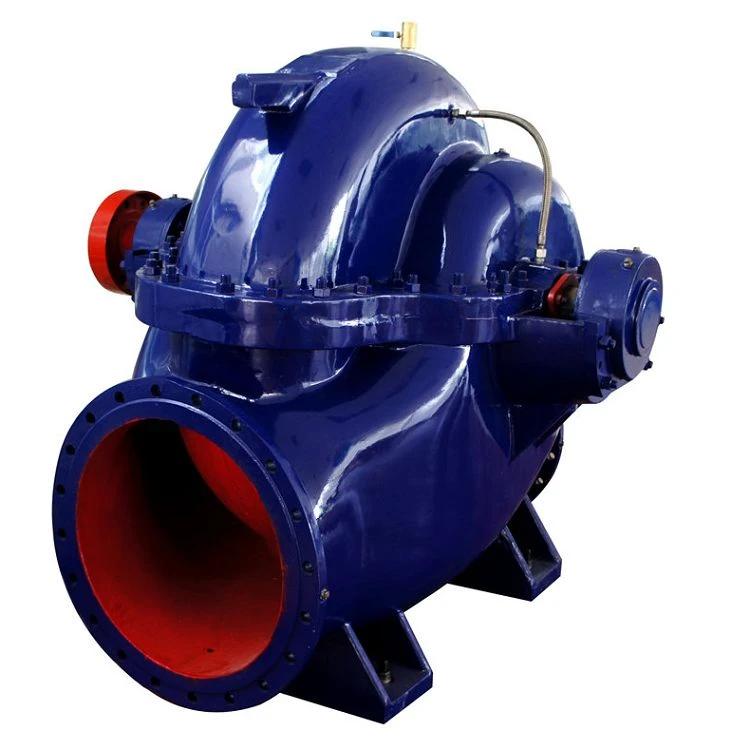
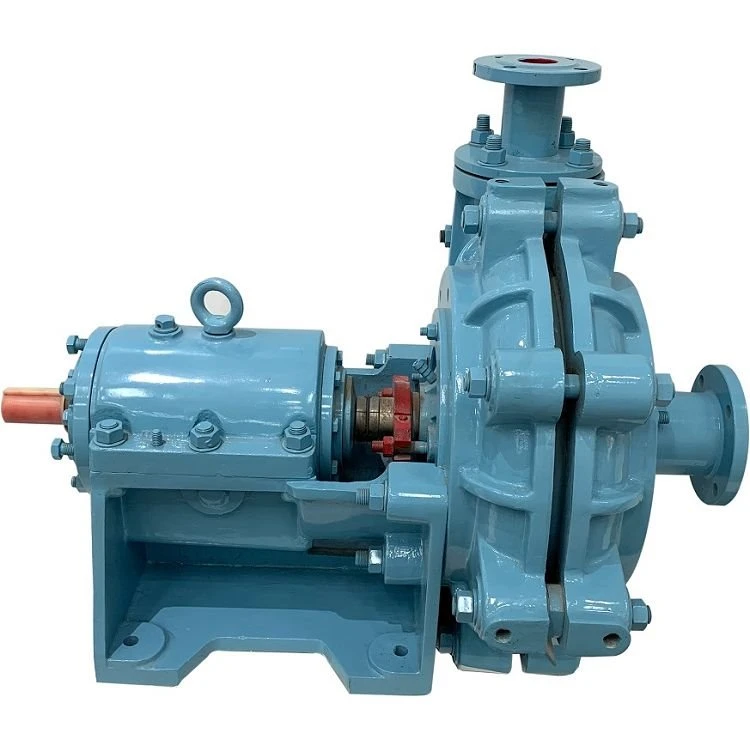
As a centrifugal pump supplier, we offer a wide range of Horizontal Split Casing Centrifugal Pump and Slurry Pump in addition to single - stage and multi - stage pumps to meet the diverse needs of our customers. If you are unsure which type of pump is right for your application, our team of experts is ready to assist you. We can provide detailed technical advice and help you select the most suitable pump for your project. Contact us today to start the procurement discussion and find the perfect centrifugal pump solution for your needs.
References
- Karassik, I. J., Messina, J. P., Cooper, P. T., & Heald, C. C. (2008). Pump Handbook. McGraw - Hill.
- Stepanoff, A. J. (1957). Centrifugal and Axial Flow Pumps: Theory, Design, and Application. John Wiley & Sons.