Pump casting for cryogenic applications presents a unique set of challenges that demand specialized knowledge, advanced techniques, and high - quality materials. As a pump casting supplier, I have witnessed firsthand the complexities involved in this niche area of manufacturing. In this blog, I will delve into the various challenges we face and how we strive to overcome them to provide the best products for cryogenic applications.
Material Selection
One of the primary challenges in pump casting for cryogenic applications is the selection of appropriate materials. Cryogenic environments, typically defined as temperatures below -150°C, require materials that can withstand extreme cold without losing their mechanical properties.
Common materials used in cryogenic pump casting include Cast Iron Casting and Stainless Steel Pump Casting. Cast iron has been a traditional choice due to its relatively low cost and good casting properties. However, at cryogenic temperatures, cast iron can become brittle, which may lead to cracks and failures. This brittleness is a result of the transformation of the material's microstructure at low temperatures, reducing its ductility and toughness.
Stainless steel, on the other hand, offers better performance in cryogenic conditions. Austenitic stainless steels, such as 304 and 316, have excellent low - temperature toughness and corrosion resistance. They retain their ductility even at extremely low temperatures, making them suitable for cryogenic pump components. However, stainless steel casting is more challenging than cast iron casting. It has a higher melting point, which requires more energy and specialized equipment for melting and pouring. Additionally, stainless steel is more prone to oxidation during the casting process, which can lead to surface defects and reduced mechanical properties.
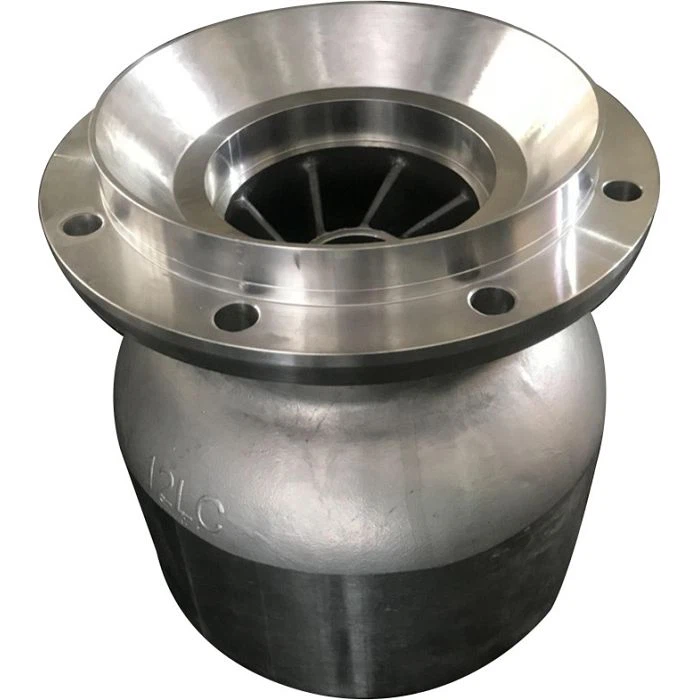
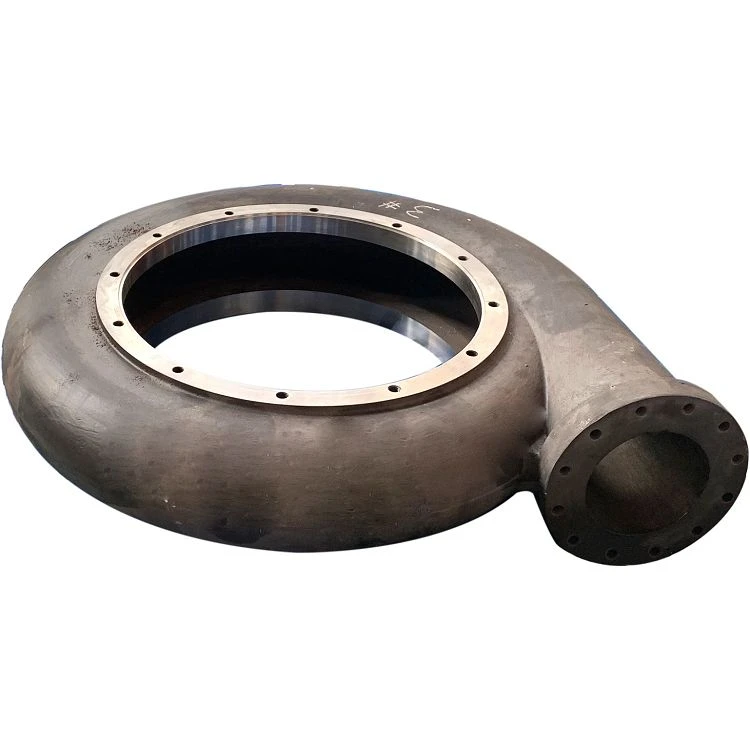
Another consideration in material selection is the coefficient of thermal expansion. Different materials expand and contract at different rates as the temperature changes. In cryogenic applications, where the temperature can vary significantly, it is crucial to choose materials with similar coefficients of thermal expansion to avoid thermal stress and potential component failure. Mismatched thermal expansion can cause internal stresses within the pump components, leading to cracks and leaks over time.
Casting Process
The casting process for cryogenic pumps must be carefully controlled to ensure high - quality components. One of the main challenges is achieving a uniform microstructure throughout the casting. In cryogenic applications, a non - uniform microstructure can lead to variations in mechanical properties, which may compromise the performance and reliability of the pump.
During the casting process, the cooling rate plays a crucial role in determining the microstructure of the casting. A rapid cooling rate can result in a fine - grained microstructure, which generally has better mechanical properties. However, in large - scale castings, it can be difficult to achieve a uniform cooling rate throughout the entire component. This can lead to the formation of coarse grains in some areas, reducing the overall strength and toughness of the casting.
To address this issue, we use advanced casting techniques, such as controlled cooling and directional solidification. Controlled cooling involves regulating the cooling rate of the casting by using cooling media, such as water or air, at different stages of the solidification process. Directional solidification, on the other hand, ensures that the molten metal solidifies in a specific direction, from the bottom to the top of the casting. This helps to eliminate shrinkage cavities and porosity, which are common defects in castings.
Another challenge in the casting process is the prevention of gas porosity. Gas porosity occurs when gas bubbles are trapped in the molten metal during the casting process. These bubbles can weaken the casting and reduce its fatigue life. To prevent gas porosity, we carefully control the melting and pouring processes. We use degassing techniques to remove dissolved gases from the molten metal before pouring. Additionally, we ensure that the casting mold is properly vented to allow the escape of any gases generated during the solidification process.
Machining and Finishing
After the casting is complete, the pump components need to be machined and finished to the required specifications. Machining cryogenic pump components presents several challenges due to the unique properties of the materials used.
Stainless steel, which is commonly used in cryogenic pump casting, is a difficult - to - machine material. It has a high work - hardening rate, which means that the material becomes harder and more difficult to cut as the machining process progresses. This can lead to tool wear and poor surface finish. To overcome this challenge, we use specialized cutting tools and machining parameters. We select cutting tools with high - speed steel or carbide inserts, which are more resistant to wear. We also optimize the cutting speed, feed rate, and depth of cut to minimize tool wear and achieve a good surface finish.
Finishing is another critical step in the manufacturing of cryogenic pump components. The surface finish of the components can affect their performance in cryogenic applications. A rough surface can cause increased friction and turbulence, which can reduce the efficiency of the pump. Additionally, a poor surface finish can provide sites for corrosion and stress concentration, which can lead to component failure.
We use various finishing techniques, such as grinding, polishing, and honing, to achieve the required surface finish. These techniques require precision and expertise to ensure that the surface roughness and flatness meet the specifications. In some cases, we also apply surface coatings to improve the corrosion resistance and wear resistance of the components.
Quality Control
Quality control is of utmost importance in pump casting for cryogenic applications. The harsh operating conditions in cryogenic environments demand components that are highly reliable and free from defects.
We implement a comprehensive quality control system throughout the manufacturing process. At the material stage, we conduct thorough inspections to ensure that the raw materials meet the required specifications. We perform chemical analysis and mechanical testing on the materials to verify their composition and properties.
During the casting process, we use non - destructive testing techniques, such as ultrasonic testing, radiographic testing, and magnetic particle testing, to detect any internal defects in the castings. These techniques allow us to identify defects such as cracks, porosity, and inclusions without damaging the casting.
After machining and finishing, we conduct dimensional inspections to ensure that the components meet the design specifications. We use coordinate measuring machines (CMMs) to measure the dimensions of the components with high precision. We also perform functional testing on the assembled pumps to ensure that they operate properly in cryogenic conditions.
Wear and Corrosion Resistance
In cryogenic applications, pumps are often exposed to abrasive fluids and corrosive environments. Wear and corrosion can significantly reduce the lifespan of the pump components and affect their performance.
To address the issue of wear resistance, we offer Wear Resistant Pump Parts. These parts are made from materials with high hardness and wear resistance, such as high - chrome alloys. We also apply surface treatments, such as hardening and coating, to further improve the wear resistance of the components.
Corrosion is another major concern in cryogenic pump applications. The low temperatures and the presence of moisture and chemicals can accelerate the corrosion process. To prevent corrosion, we select materials with good corrosion resistance, such as stainless steel. We also apply protective coatings, such as epoxy coatings or ceramic coatings, to the surface of the components to provide an additional layer of protection.
Conclusion
Pump casting for cryogenic applications is a complex and challenging process that requires a deep understanding of materials science, casting technology, and quality control. As a pump casting supplier, we are constantly striving to overcome these challenges by investing in research and development, adopting advanced manufacturing techniques, and implementing strict quality control measures.
If you are in need of high - quality pump castings for cryogenic applications, we invite you to contact us for procurement and further discussions. We are committed to providing you with the best solutions tailored to your specific requirements.
References
- Davis, J. R. (Ed.). (2003). Stainless Steels: ASM Specialty Handbook. ASM International.
- Campbell, J. (2003). Castings. Butterworth - Heinemann.
- ASME Boiler and Pressure Vessel Code, Section VIII, Division 1. (2019). American Society of Mechanical Engineers.