Hey there! As a supplier of pump discharge products, I've seen firsthand the impact that a damaged impeller can have on pump performance. In this blog, I'm gonna break down exactly what happens when an impeller takes a hit and how it affects pump discharge.
Let's start with the basics. The impeller is a crucial part of a pump. It's like the heart of the whole system. When the pump is running, the impeller rotates at high speed, creating a centrifugal force. This force sucks in fluid from the inlet and then pushes it out through the pump discharge. Think of it as a super - efficient fluid - moving machine.
Now, what if the impeller gets damaged? There are a bunch of ways an impeller can get messed up. It could be due to corrosion, which eats away at the metal over time. Erosion is another culprit, especially if the fluid being pumped has abrasive particles in it. Sometimes, foreign objects can get into the pump and physically damage the impeller blades.
One of the most obvious effects of a damaged impeller is a drop in flow rate. When the impeller blades are damaged, they can't create the same amount of centrifugal force as they did when they were in good condition. This means that the pump can't suck in and push out as much fluid as it should. For example, if you have a pump that's supposed to deliver 100 gallons per minute (GPM) of water, a damaged impeller might reduce that flow rate to 60 or 70 GPM. This can be a huge problem in industrial settings where a specific flow rate is required for a process to work properly.
Another major effect is a decrease in pressure. The impeller is responsible for building up pressure in the pump. When it's damaged, the pressure at the pump discharge drops. Low pressure can lead to a whole host of issues. In a water supply system, for instance, low pressure might mean that the water doesn't reach all the areas it's supposed to. In an industrial process, it could cause problems with the equipment that relies on a certain pressure to operate.
A damaged impeller can also cause the pump to vibrate more than normal. The uneven shape of the damaged blades creates an imbalance in the rotating assembly. This imbalance leads to vibrations, which can be felt throughout the pump and the connected pipes. Excessive vibration is not only annoying but can also cause further damage to the pump and its components over time. It can loosen bolts, damage seals, and even lead to premature wear and tear of the bearings.
In addition to these performance - related issues, a damaged impeller can also increase energy consumption. Since the pump has to work harder to achieve the same or a reduced level of performance, it uses more electricity or fuel. This means higher operating costs for the user. And in today's world, where energy efficiency is a big deal, this is definitely something to be concerned about.
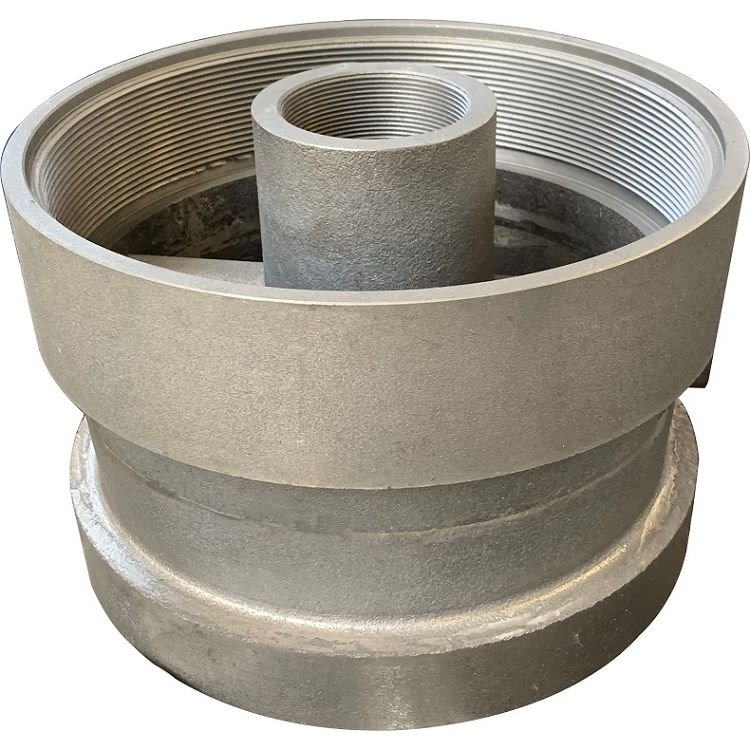
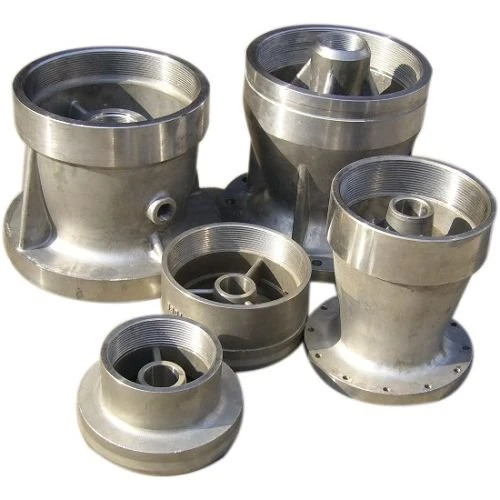
Now, let's talk about how these effects can impact different types of pump discharges. We offer a variety of pump discharge products, like Stainless Steel Pump Discharge and Cast Iron Pump Discharge.
For stainless steel pump discharges, a damaged impeller can cause problems with the smooth flow of fluid. Stainless steel is often used in applications where corrosion resistance is important, like in chemical processing or food and beverage industries. But if the impeller is damaged and the flow rate and pressure are affected, it can lead to uneven distribution of the fluid in the system. This can cause issues with mixing, dosing, or other processes that rely on a consistent flow.
Cast iron pump discharges, on the other hand, are commonly used in more heavy - duty applications, such as in wastewater treatment plants or large - scale irrigation systems. A damaged impeller in a pump with a cast iron discharge can result in reduced capacity. Since these systems usually deal with large volumes of fluid, any reduction in the pump's performance can have a significant impact on the overall operation.
So, what can you do if you suspect that your impeller is damaged? The first step is to conduct a thorough inspection. Look for signs of wear, corrosion, or physical damage on the impeller blades. You can also check for abnormal vibrations or changes in the pump's performance, like a drop in flow rate or pressure.
If the impeller is indeed damaged, you have a few options. You can try to repair the impeller, but this might not always be possible or cost - effective, especially if the damage is severe. In most cases, it's better to replace the impeller with a new one. And when you're replacing the impeller, make sure to choose a high - quality one that's compatible with your pump.
As a pump discharge supplier, we understand the importance of having a well - functioning pump system. That's why we offer a wide range of pump discharge products to meet your needs. Whether you need a stainless steel pump discharge for a corrosion - resistant application or a cast iron pump discharge for a heavy - duty job, we've got you covered.
If you're experiencing issues with your pump discharge due to a damaged impeller or if you're looking for high - quality pump discharge products, don't hesitate to reach out. We're here to help you find the right solutions for your pump system.
References
- "Pump Handbook" by Igor J. Karassik et al.
- Various industry reports on pump performance and maintenance.