Can a submersible motor be used in sewage treatment? This is a question that often arises in the field of wastewater management. As a supplier of submersible motors, I am well - versed in the capabilities and limitations of these devices, and I am eager to share my insights on this topic.
Understanding Submersible Motors
Before delving into their application in sewage treatment, it's essential to understand what submersible motors are. A submersible motor is a type of electric motor designed to operate while fully submerged in a liquid. These motors are typically enclosed in a watertight housing to prevent water ingress, which could damage the electrical components.
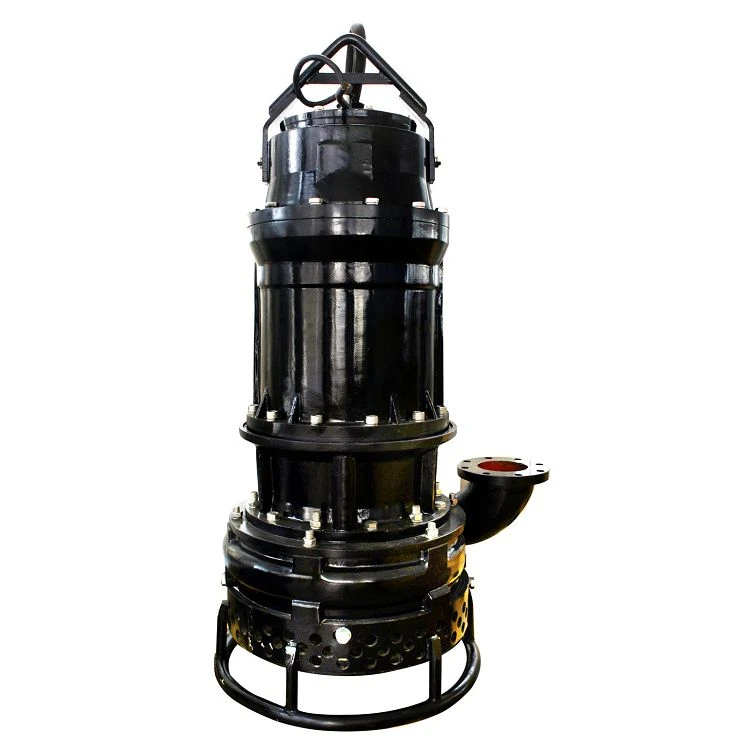

Submersible motors come in various sizes and power ratings, making them suitable for a wide range of applications. They are commonly used in water wells, irrigation systems, and industrial pumping applications. Their compact design and ability to operate underwater make them an attractive option for many situations where space is limited or where it is necessary to pump fluids from a submerged location.
The Requirements of Sewage Treatment
Sewage treatment is a complex process that involves several stages to remove contaminants from wastewater before it can be safely discharged into the environment. The process typically includes preliminary treatment (screening to remove large objects), primary treatment (sedimentation to remove settleable solids), secondary treatment (biological processes to break down organic matter), and tertiary treatment (further purification to remove nutrients and other contaminants).
Each stage of the sewage treatment process requires the use of pumps to move the wastewater through the system. These pumps need to be reliable, efficient, and capable of handling the harsh conditions present in sewage, such as high levels of solids, abrasive materials, and corrosive chemicals.
Advantages of Using Submersible Motors in Sewage Treatment
There are several reasons why submersible motors are well - suited for sewage treatment applications:
1. Space - Saving Design
In a sewage treatment plant, space is often at a premium. Submersible motors can be installed directly in the wet well or tank, eliminating the need for a separate pump room. This not only saves valuable floor space but also reduces the overall footprint of the treatment plant.
2. Efficient Operation
Submersible motors are designed to operate underwater, which means they can take advantage of the cooling effect of the surrounding liquid. This allows them to run more efficiently and reduces the risk of overheating, which can lead to motor failure. Additionally, the direct coupling of the motor to the pump impeller eliminates the need for a long drive shaft, reducing energy losses and improving overall system efficiency.
3. Reduced Noise and Vibration
Since submersible motors are submerged in the liquid, they produce less noise and vibration compared to surface - mounted motors. This is particularly beneficial in urban areas where noise pollution can be a concern. The reduced vibration also helps to extend the life of the motor and other components in the pumping system.
4. Ability to Handle Solids
Many sewage treatment applications involve pumping wastewater that contains a significant amount of solids. Submersible motors can be paired with Submersible Slurry Pump designed to handle abrasive and solid - laden fluids. These pumps are equipped with features such as large impeller passages and wear - resistant materials to prevent clogging and ensure reliable operation.
Challenges and Considerations
While submersible motors offer many advantages for sewage treatment, there are also some challenges and considerations that need to be addressed:
1. Corrosion and Wear
Sewage contains a variety of corrosive chemicals and abrasive materials that can damage the motor housing and other components. To mitigate this risk, submersible motors used in sewage treatment should be made from corrosion - resistant materials such as stainless steel or coated with a protective layer. Additionally, regular maintenance and inspection are essential to detect and address any signs of wear or corrosion.
2. Sealing and Leakage
The watertight seal of the submersible motor is critical to prevent water ingress and electrical short - circuits. Over time, the seals can degrade due to exposure to chemicals and mechanical stress. It is important to choose a motor with high - quality seals and to perform regular checks to ensure their integrity.
3. Motor Protection
Sewage treatment environments can be harsh, and motors are at risk of damage from factors such as overloading, overheating, and voltage fluctuations. To protect the motor, it is important to install appropriate protective devices such as thermal overload relays, current limiters, and voltage regulators.
Our Product Offerings
As a supplier of Submersible Motor, we offer a wide range of products that are specifically designed for sewage treatment applications. Our motors are built to withstand the harsh conditions of sewage, with features such as corrosion - resistant materials, high - quality seals, and advanced motor protection systems.
In addition to our standard submersible motors, we also offer specialized products such as the Mine Flameproof Submersible Sand Pump, which is suitable for applications where there is a risk of explosion or fire. This pump is designed with flameproof enclosures and other safety features to ensure safe operation in hazardous environments.
Conclusion
In conclusion, submersible motors can be effectively used in sewage treatment applications. Their space - saving design, efficient operation, reduced noise and vibration, and ability to handle solids make them an attractive option for wastewater management. However, it is important to carefully consider the challenges and requirements of the specific application and to choose a motor that is suitable for the conditions.
If you are involved in sewage treatment and are looking for a reliable submersible motor solution, we invite you to contact us for more information. Our team of experts can help you select the right motor for your needs and provide you with the support and service you require. We are committed to providing high - quality products and solutions that meet the demands of the sewage treatment industry.
References
- Metcalf & Eddy. (2014). Wastewater Engineering: Treatment and Resource Recovery. McGraw - Hill Education.
- Water Environment Federation. (2019). Design of Municipal Wastewater Treatment Plants. Water Environment Federation.