Hey there! As a supplier of pump suction components, I've seen firsthand how the pressure at the pump suction end can have a significant impact on the overall performance of a pumping system. In this blog, I'm gonna break down what a high pump suction pressure means, its effects, and why it matters to you.
What is Pump Suction Pressure?
Before we dive into the effects of high suction pressure, let's quickly go over what pump suction pressure is. Simply put, pump suction pressure is the pressure at the inlet of the pump. It's the force that helps draw fluid into the pump. This pressure can be influenced by a bunch of factors, like the elevation of the fluid source, the type of fluid being pumped, and the condition of the suction piping.
Effects of High Pump Suction Pressure
1. Increased Pump Efficiency
One of the main benefits of having a high pump suction pressure is that it can boost the efficiency of the pump. When the suction pressure is high, the pump doesn't have to work as hard to draw in the fluid. This means less energy is wasted, and the pump can operate more smoothly. For example, if you're pumping water from a well that's located below the pump, a higher suction pressure can make the process more efficient. The pump can transfer more fluid with less effort, which ultimately saves you money on energy costs.
2. Reduced Cavitation Risk
Cavitation is a big problem in pumping systems. It happens when the pressure at the pump suction drops below the vapor pressure of the fluid, causing vapor bubbles to form. These bubbles then collapse when they reach higher-pressure areas in the pump, creating shock waves that can damage the pump impeller and other components. A high pump suction pressure helps keep the pressure above the vapor pressure, reducing the risk of cavitation. This extends the lifespan of your pump and reduces maintenance costs. For instance, in a chemical processing plant where corrosive fluids are being pumped, preventing cavitation is crucial to avoid costly repairs and downtime.
3. Improved Flow Rate
With a high suction pressure, the pump can handle a greater flow rate. The increased pressure provides more force to push the fluid through the system, allowing for a higher volume of fluid to be pumped in a shorter period. This is especially important in applications where a large amount of fluid needs to be moved quickly, such as in flood control systems or large-scale irrigation projects.
4. Potential for Overloading the Pump
However, it's not all sunshine and rainbows. A high pump suction pressure can also have some negative effects. One of the main issues is the potential for overloading the pump. If the suction pressure is too high, it can cause the pump to draw in more fluid than it's designed to handle. This can lead to excessive stress on the pump motor and other components, increasing the risk of breakdowns. For example, if you have a small pump that's rated for a certain flow rate and you suddenly increase the suction pressure significantly, the pump may not be able to handle the extra load, and it could fail.
5. Seal and Gasket Damage
Another problem associated with high suction pressure is the potential for damage to seals and gaskets. The increased pressure can put additional stress on these components, causing them to wear out more quickly. This can lead to leaks, which not only waste fluid but can also pose a safety hazard, especially if the fluid being pumped is hazardous. In a refinery, for example, a leak in a pump suction seal could result in the release of flammable or toxic chemicals.
Choosing the Right Pump Suction for High Pressure
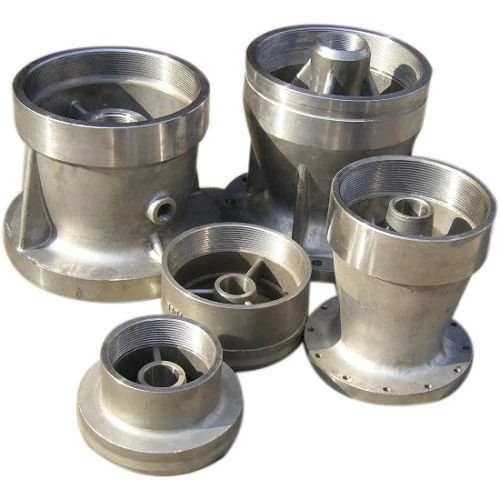
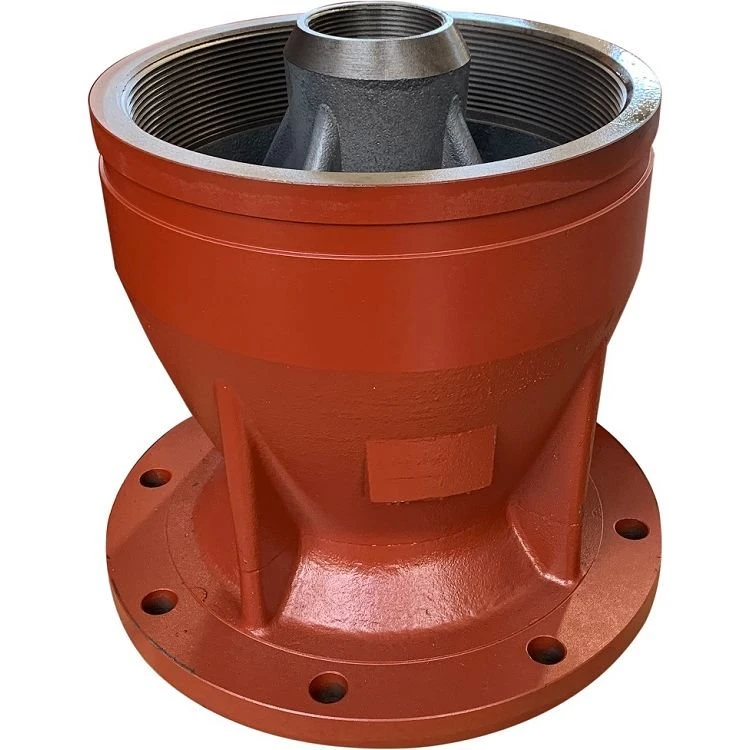
As a supplier, I know how important it is to choose the right pump suction for your specific application. We offer a range of options, including Cast Iron Pump Suction and Stainless Steel Pump Suction.
Cast iron pump suctions are a popular choice for many applications because they're durable and cost-effective. They can handle a wide range of pressures and are suitable for pumping water, wastewater, and other non-corrosive fluids. On the other hand, stainless steel pump suctions are ideal for applications where corrosion is a concern. They're more expensive than cast iron but offer superior resistance to rust and chemical damage.
How to Manage High Pump Suction Pressure
If you're dealing with high pump suction pressure, there are a few things you can do to manage it effectively. First, make sure you have the right pump for the job. Consult with a professional to determine the appropriate pump size and capacity based on your specific requirements. Second, regularly monitor the suction pressure using pressure gauges. This will allow you to detect any changes in pressure and take corrective action if necessary. Finally, ensure that your suction piping is in good condition and properly sized. A clogged or undersized pipe can cause pressure fluctuations and reduce the efficiency of your pumping system.
Why Choose Us as Your Pump Suction Supplier
We're not just any pump suction supplier. We have years of experience in the industry and a team of experts who are passionate about providing the best products and services. We understand the unique challenges that come with high pump suction pressure and can help you find the right solutions for your needs. Whether you're looking for a cast iron or stainless steel pump suction, we have the expertise and inventory to meet your requirements.
If you're interested in learning more about our pump suction products or have any questions about high pump suction pressure, don't hesitate to get in touch. We're here to help you make the most of your pumping system and ensure its long-term success. Contact us today to start a conversation about your specific needs and how we can assist you.
References
- Pump Handbook, by Igor Karassik et al.
- Fluid Mechanics and Thermodynamics of Turbomachinery, by S. L. Dixon and C. A. Hall.
- Hydraulic Institute Standards for Pumps.