Hey there! As a supplier of pump suction components, I've seen firsthand how different factors can affect the performance of pumps. One crucial factor that often gets overlooked is fluid viscosity. In this blog post, I'm gonna break down what fluid viscosity is, and how it impacts pump suction.
Let's start with the basics. Viscosity is basically a measure of a fluid's resistance to flow. Think of it like this: honey is way more viscous than water. When you pour water, it flows easily and quickly, but honey takes its time and is much thicker. That's viscosity in action. Fluids with high viscosity are thick and sticky, while those with low viscosity are thin and flow freely.
Now, how does this relate to pump suction? Well, when a pump is working to suck in fluid, the viscosity of that fluid plays a huge role.
Effects on Flow Rate
One of the most significant impacts of fluid viscosity on pump suction is on the flow rate. In simple terms, the flow rate is how much fluid the pump can move in a given amount of time. When dealing with low - viscosity fluids like water, pumps can usually achieve a high flow rate. The fluid moves easily through the suction pipe and into the pump because there's not much resistance.
However, when the fluid has a high viscosity, things get a bit more complicated. High - viscosity fluids are more resistant to flow, so it's harder for the pump to suck them in. This means that the flow rate will be lower compared to when pumping a low - viscosity fluid. For example, if you're using a pump to transfer motor oil (which has a relatively high viscosity) instead of water, you'll notice that the amount of oil being pumped per minute is significantly less.
Impact on NPSH (Net Positive Suction Head)
NPSH is another important concept when it comes to pump suction. It's the amount of pressure available at the suction port of the pump to prevent cavitation. Cavitation is a big problem in pumps because it can cause damage to the impeller and other components.
Viscosity affects NPSH requirements. High - viscosity fluids require a higher NPSH to be pumped effectively. This is because the resistance to flow in high - viscosity fluids means that more pressure is needed to get the fluid into the pump. If the NPSH available is not sufficient, cavitation can occur. Cavitation happens when the pressure at the suction side of the pump drops below the vapor pressure of the fluid, causing vapor bubbles to form. These bubbles then collapse when they reach higher - pressure areas in the pump, creating shockwaves that can damage the pump over time.
Power Consumption
Viscosity also has an impact on the power consumption of the pump. When pumping a high - viscosity fluid, the pump has to work harder to overcome the resistance to flow. This means that it requires more power to operate. In other words, the energy cost of running a pump increases as the viscosity of the fluid being pumped goes up.
Let's say you have a small pump that's designed to pump water. If you start using it to pump a thick syrup, you'll notice that the pump motor will draw more current and may even overheat if it's not rated for handling high - viscosity fluids. This is an important consideration for businesses, as higher power consumption means higher operating costs.
Pump Selection
Given the effects of fluid viscosity on pump suction, it's crucial to select the right pump for the job. Different pumps are better suited for different viscosities.
For low - viscosity fluids, centrifugal pumps are often a good choice. They're relatively simple, efficient, and can handle large flow rates. Centrifugal pumps work by using an impeller to create a centrifugal force that moves the fluid through the pump. Since low - viscosity fluids flow easily, centrifugal pumps can operate effectively with them.
On the other hand, for high - viscosity fluids, positive displacement pumps are usually more appropriate. Positive displacement pumps work by trapping a fixed amount of fluid and then forcing it through the pump. They're better able to handle the resistance of high - viscosity fluids and can maintain a consistent flow rate even with thick fluids.
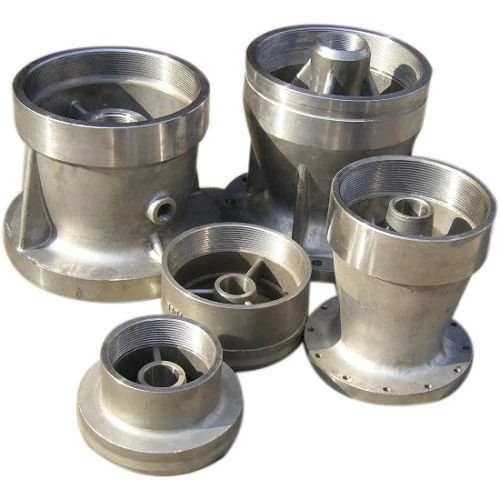
As a pump suction supplier, I offer a variety of options to suit different fluid viscosities. If you're looking for a pump suction for low - viscosity applications, you might be interested in our Stainless Steel Pump Suction. Stainless steel is durable and resistant to corrosion, making it a great choice for many pumping systems.
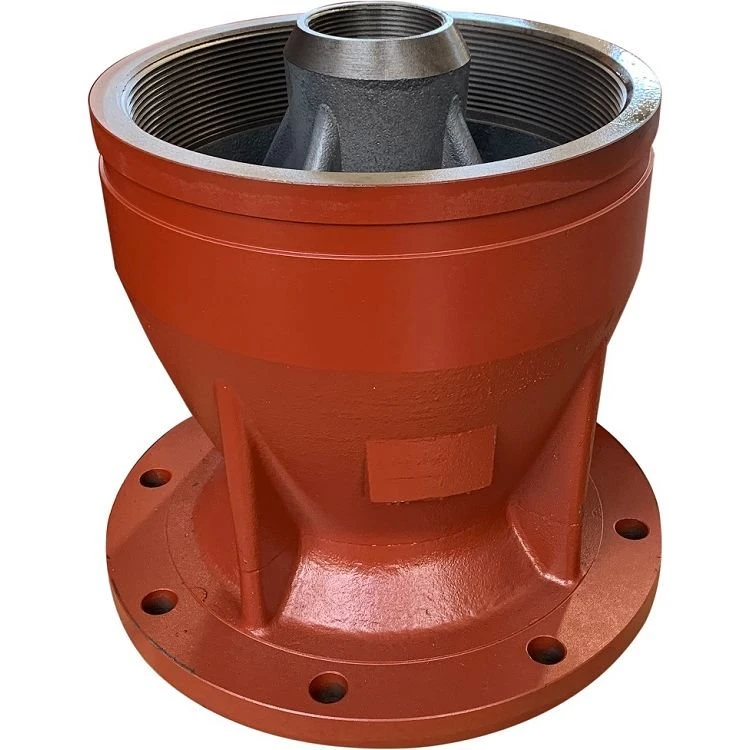
For those dealing with high - viscosity fluids, our Cast Iron Pump Suction could be a better fit. Cast iron is strong and can withstand the higher pressures and forces involved in pumping thick fluids.
Maintenance and Viscosity
Fluid viscosity can also affect the maintenance requirements of pumps. High - viscosity fluids can cause more wear and tear on the pump components. The increased resistance to flow means that the impeller, seals, and other parts of the pump have to work harder, which can lead to faster deterioration.
Regular maintenance is even more important when pumping high - viscosity fluids. This includes checking and replacing worn - out parts, cleaning the pump to prevent blockages, and ensuring that the lubrication is adequate. Ignoring maintenance can lead to pump failure, which can be costly in terms of both repair and downtime.
Wrapping Up
In conclusion, fluid viscosity has a significant impact on pump suction. It affects the flow rate, NPSH requirements, power consumption, pump selection, and maintenance needs. As a pump suction supplier, I understand the importance of these factors and can help you choose the right pump suction components for your specific application.
If you're in the market for pump suction parts or have any questions about how fluid viscosity might affect your pumping system, don't hesitate to reach out. We're here to help you make the best choices for your business and ensure that your pumps operate efficiently and effectively. Whether you're dealing with low - or high - viscosity fluids, we've got the solutions you need.
References
- "Pump Handbook" by Igor Karassik et al.
- "Fluid Mechanics" by Frank M. White.