As a seasoned supplier of slurry pumps, I've witnessed firsthand the critical role that pump impeller diameter plays in determining a pump's performance. Over the years, I've engaged with numerous clients who are often curious about how this seemingly simple physical dimension can have such a profound impact on the overall efficiency and effectiveness of their pumping systems. In this blog post, I'll delve into the science behind the relationship between pump impeller diameter and performance, drawing on my practical experience and industry knowledge.
Understanding the Basics of Pump Impellers
Before we explore the effects of impeller diameter, it's essential to understand what an impeller is and how it functions within a pump. An impeller is a rotating component of a centrifugal pump that transfers energy from the motor to the fluid being pumped. It consists of a series of vanes or blades that are curved in a specific way to impart velocity to the fluid as it passes through the impeller.
When the impeller rotates, it creates a centrifugal force that pushes the fluid outward from the center of the impeller towards the outer edge. This increase in velocity results in an increase in the fluid's kinetic energy, which is then converted into pressure energy as the fluid exits the impeller and enters the volute or diffuser of the pump. The pressure energy is what allows the fluid to be transported through the piping system to its desired destination.
The Impact of Impeller Diameter on Pump Performance
The diameter of the impeller is one of the most important factors that determine a pump's performance characteristics. Here are some of the key ways in which impeller diameter affects pump performance:
Flow Rate
The flow rate of a pump, which is the volume of fluid that the pump can deliver per unit of time, is directly related to the impeller diameter. Generally speaking, a larger impeller diameter will result in a higher flow rate. This is because a larger impeller has a greater surface area and can move more fluid per revolution. As the impeller rotates, it creates a larger volume of fluid that is accelerated and pushed out of the pump, resulting in a higher flow rate.
However, it's important to note that the relationship between impeller diameter and flow rate is not linear. At a certain point, increasing the impeller diameter will not result in a proportional increase in flow rate. This is due to factors such as the pump's design, the viscosity of the fluid being pumped, and the resistance in the piping system.
Head
Head is a measure of the energy per unit weight of the fluid that the pump can impart to the fluid. It is often expressed in terms of feet or meters of fluid column. The head of a pump is also affected by the impeller diameter. A larger impeller diameter will generally result in a higher head. This is because a larger impeller can generate more centrifugal force, which in turn can increase the pressure energy of the fluid.
As the fluid is accelerated by the larger impeller, it gains more kinetic energy, which can be converted into a higher pressure as it exits the impeller. This higher pressure allows the fluid to be pumped to a greater height or overcome a higher resistance in the piping system.
Efficiency
Pump efficiency is a measure of how effectively the pump converts the electrical energy input from the motor into useful hydraulic energy output. The impeller diameter can have a significant impact on pump efficiency. In general, there is an optimal impeller diameter for a given pump design and operating conditions that will result in the highest efficiency.
If the impeller diameter is too small, the pump may not be able to generate enough flow rate or head to meet the system requirements, resulting in low efficiency. On the other hand, if the impeller diameter is too large, the pump may consume more energy than necessary, also leading to lower efficiency. Therefore, it's crucial to select the appropriate impeller diameter based on the specific application and operating conditions to ensure maximum efficiency.
Power Consumption
The power consumption of a pump is directly related to the impeller diameter. A larger impeller diameter will generally require more power to drive it. This is because a larger impeller has a greater mass and inertia, and it needs more energy to rotate at the required speed. Additionally, a larger impeller may generate more friction and turbulence within the pump, which also increases the power consumption.
It's important to consider the power consumption when selecting an impeller diameter. While a larger impeller may provide higher flow rate and head, it may also result in higher operating costs. Therefore, a balance needs to be struck between the desired performance and the power consumption to optimize the overall cost - effectiveness of the pumping system.
Practical Considerations for Selecting the Right Impeller Diameter
When selecting the impeller diameter for a slurry pump, several practical considerations need to be taken into account:
Application Requirements
The first step is to clearly define the application requirements, including the required flow rate, head, and the characteristics of the fluid being pumped. For example, if the application involves pumping a highly viscous slurry over a long distance, a larger impeller diameter may be required to generate the necessary head and flow rate.
Pump Design
The design of the pump also plays a crucial role in determining the appropriate impeller diameter. Different pump designs have different performance curves, which show the relationship between flow rate, head, and impeller diameter. It's important to consult the pump manufacturer's performance curves to select the impeller diameter that best matches the application requirements.
System Resistance
The resistance in the piping system, including friction losses, valve losses, and elevation changes, needs to be considered. A system with high resistance will require a pump with a higher head, which may necessitate a larger impeller diameter.
Our Product Offerings
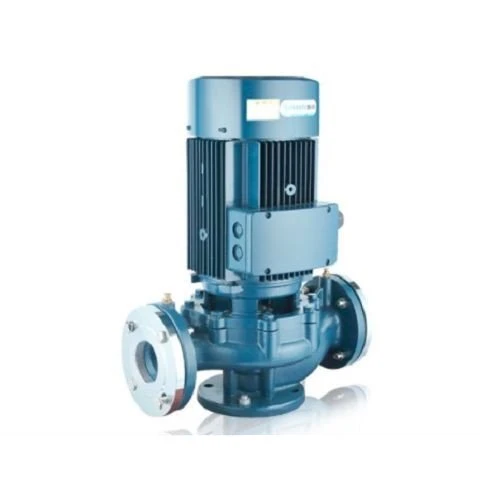
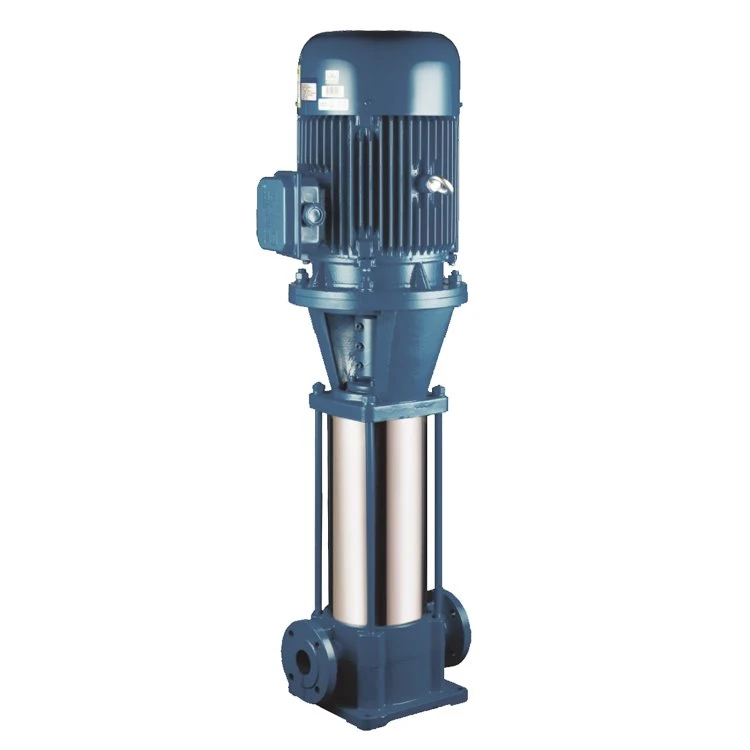
At our company, we offer a wide range of slurry pumps with different impeller diameters to meet the diverse needs of our customers. In addition to slurry pumps, we also provide other types of pumps such as Mine Multistage Centrifugal Pump, Vertical In Line Pump, and Vertical Multistage Pump.
Our experienced team of engineers can help you select the right pump and impeller diameter for your specific application. We understand that every pumping system is unique, and we are committed to providing customized solutions that ensure optimal performance and efficiency.
Conclusion
In conclusion, the impeller diameter is a critical factor that significantly affects the performance of a slurry pump. It influences the flow rate, head, efficiency, and power consumption of the pump. By understanding the relationship between impeller diameter and pump performance, and considering the practical factors in the selection process, you can choose the right impeller diameter for your pumping system.
If you are in the market for a slurry pump or any other type of pump, we invite you to contact us for a consultation. Our team is ready to assist you in finding the best solution for your needs. Whether you need a pump for a mining operation, a chemical processing plant, or any other industrial application, we have the expertise and products to meet your requirements. Let's work together to optimize your pumping system and achieve the best results.
References
- Karassik, I. J., Messina, J. P., Cooper, P. T., & Heald, C. C. (2008). Pump Handbook. McGraw - Hill Professional.
- Stepanoff, A. J. (1957). Centrifugal and Axial Flow Pumps: Theory, Design, and Application. John Wiley & Sons.