Hey there! I'm a supplier of Slurry Pumps, and I've been in this industry for quite some time. Today, I'm gonna walk you through the main components of a slurry pump. Understanding these components can help you make a better decision when it comes to purchasing a pump that suits your needs.
1. Impeller
The impeller is like the heart of a slurry pump. It's a rotating component that transfers energy from the motor to the slurry. When the impeller spins, it creates a centrifugal force that pushes the slurry outwards. This force is what makes the slurry move through the pump and into the pipeline.
There are different types of impellers, such as open, semi - open, and closed impellers. Open impellers are simple and easy to clean, making them suitable for handling slurries with large particles. Semi - open impellers offer a balance between efficiency and the ability to handle solids. Closed impellers, on the other hand, are more efficient but are more prone to clogging if the slurry contains large particles.
2. Casing
The casing is the outer shell of the slurry pump that houses the impeller. Its main function is to collect the slurry discharged by the impeller and convert the kinetic energy of the slurry into pressure energy. A well - designed casing can improve the pump's efficiency and performance.
There are single - volute and double - volute casings. Single - volute casings are more common and are suitable for most applications. Double - volute casings, however, are used in situations where radial forces need to be balanced, especially in high - pressure applications.
3. Shaft and Bearings
The shaft is a crucial component that connects the impeller to the motor. It transfers the rotational power from the motor to the impeller. A strong and durable shaft is essential to ensure the smooth operation of the pump.
Bearings support the shaft and reduce friction during rotation. They play a vital role in maintaining the alignment of the shaft and the impeller. There are different types of bearings, such as ball bearings and roller bearings. The choice of bearings depends on the load, speed, and operating conditions of the pump.
4. Sealing System
A good sealing system is necessary to prevent the slurry from leaking out of the pump. There are two main types of sealing systems: gland packing and mechanical seals.
Gland packing is a traditional sealing method that uses packing materials, such as asbestos or synthetic fibers, to seal the gap between the shaft and the pump casing. It's relatively inexpensive but requires regular maintenance and adjustment.
Mechanical seals, on the other hand, are more advanced and offer better sealing performance. They consist of two flat surfaces that are pressed together to prevent leakage. Mechanical seals are more reliable and require less maintenance, but they are also more expensive.
5. Liners
Liners are replaceable components that line the inside of the pump casing and the impeller. They are made of wear - resistant materials, such as rubber, polyurethane, or high - chrome alloy. Liners protect the pump casing and the impeller from wear and corrosion caused by the abrasive slurry.
The choice of liner material depends on the properties of the slurry, such as the particle size, hardness, and chemical composition. For example, rubber liners are suitable for handling slurries with small particles and low - to - medium abrasiveness, while high - chrome alloy liners are better for handling highly abrasive slurries.
6. Motor
The motor provides the power to drive the pump. The power of the motor depends on the flow rate, head, and efficiency of the pump. When choosing a motor, you need to consider the voltage, frequency, and starting method.
There are different types of motors, such as induction motors and synchronous motors. Induction motors are the most commonly used in slurry pumps because they are simple, reliable, and cost - effective.
Now that you know the main components of a slurry pump, you might be wondering where to find a high - quality one. Well, I'm a supplier of Slurry Pump, and we offer a wide range of pumps to meet your specific needs. Whether you need a pump for mining, dredging, or other industrial applications, we've got you covered.
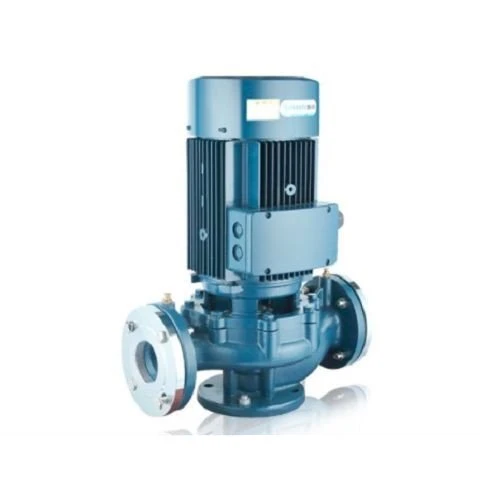
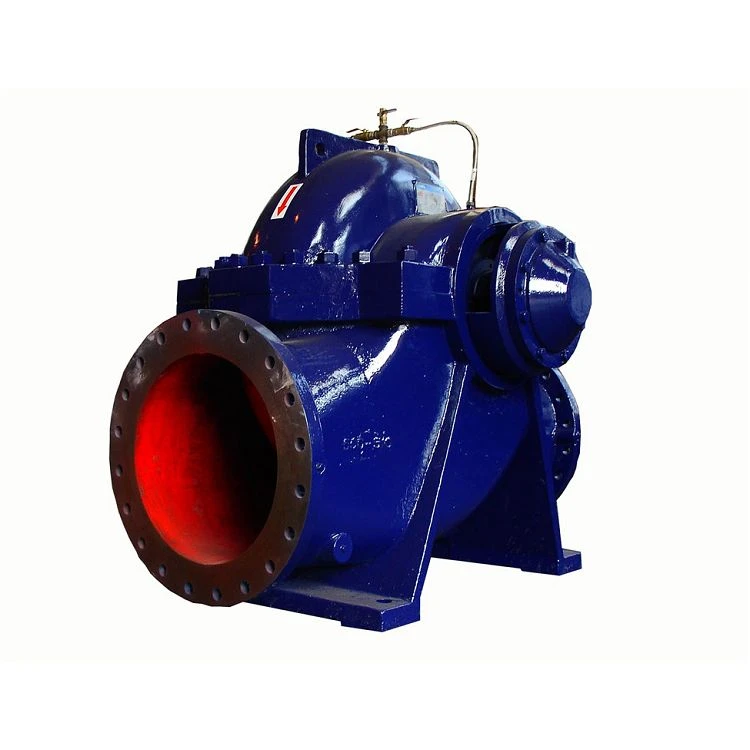
In addition to slurry pumps, we also supply Single Stage Double - Suction Centrifugal Pump and Vertical In Line Pump. These pumps are designed with high - quality components to ensure reliable performance and long service life.
If you're interested in our products, feel free to contact us for more information. We can provide you with detailed product specifications, pricing, and technical support. Our team of experts is always ready to help you select the right pump for your application. Don't hesitate to reach out and start a purchase negotiation with us. We're looking forward to working with you!
References
- "Slurry Pump Handbook" by some industry experts.
- Various technical documents from pump manufacturers.