What is the Flow Rate of a Fire Pump?
As a dedicated supplier of fire pumps, I often encounter inquiries about the flow rate of fire pumps. Understanding the flow rate is crucial for ensuring the effectiveness of fire protection systems. In this blog, I'll delve into what the flow rate of a fire pump is, why it matters, and how it varies across different types of fire pumps.
Defining the Flow Rate of a Fire Pump
The flow rate of a fire pump refers to the volume of water that the pump can deliver within a specific period, typically measured in gallons per minute (GPM) or liters per second (L/s). It represents the capacity of the pump to supply water to the fire protection system, such as sprinklers, standpipes, or hose stations.
For example, a fire pump with a flow rate of 500 GPM can deliver 500 gallons of water every minute. This volume of water is essential for suppressing fires effectively. The higher the flow rate, the more water is available to combat the fire, increasing the chances of controlling it quickly.
Importance of Flow Rate in Fire Protection
The flow rate is a critical factor in fire protection for several reasons. Firstly, it determines the amount of water that can reach the fire scene. A sufficient flow rate ensures that the fire suppression system can discharge an adequate volume of water to extinguish the fire or at least control its spread until the arrival of the fire department.
Secondly, the flow rate affects the coverage area of the fire protection system. Sprinkler systems, for instance, rely on a specific flow rate to ensure that water is distributed evenly across the protected area. If the flow rate is too low, certain areas may not receive enough water, leaving them vulnerable to fire.
Thirdly, building codes and regulations often specify the minimum flow rate requirements for fire protection systems. Compliance with these standards is essential to ensure the safety of the occupants and the protection of the property. Failure to meet the required flow rate can result in non - compliance and potential legal issues.
Factors Affecting the Flow Rate of a Fire Pump
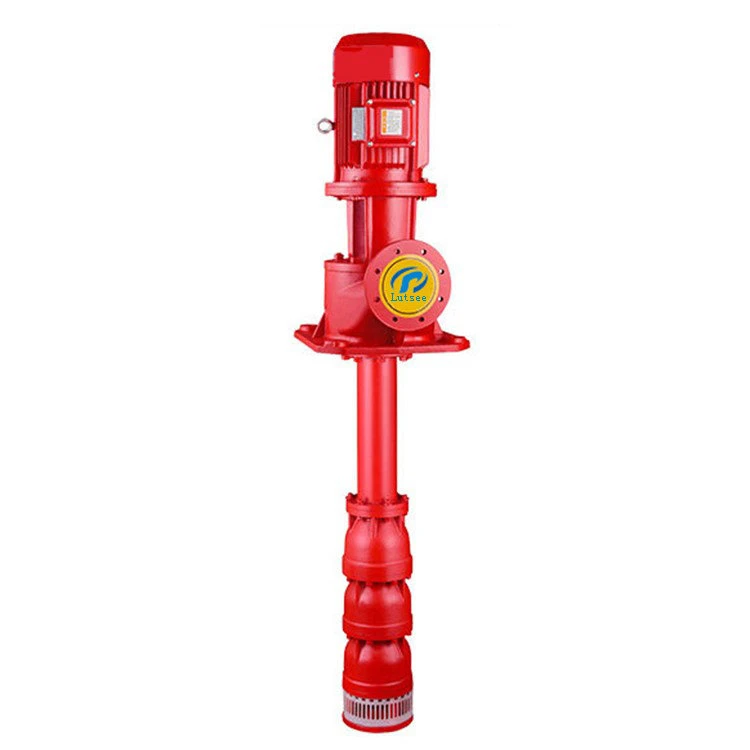
Several factors can influence the flow rate of a fire pump. One of the primary factors is the pump's design and capacity. Different types of fire pumps have different flow rate capabilities. For example, Submersible Fire Pump are often used in applications where water needs to be drawn from a well or a below - ground source. Their flow rates can vary depending on the size and power of the pump, typically ranging from a few hundred GPM to several thousand GPM.
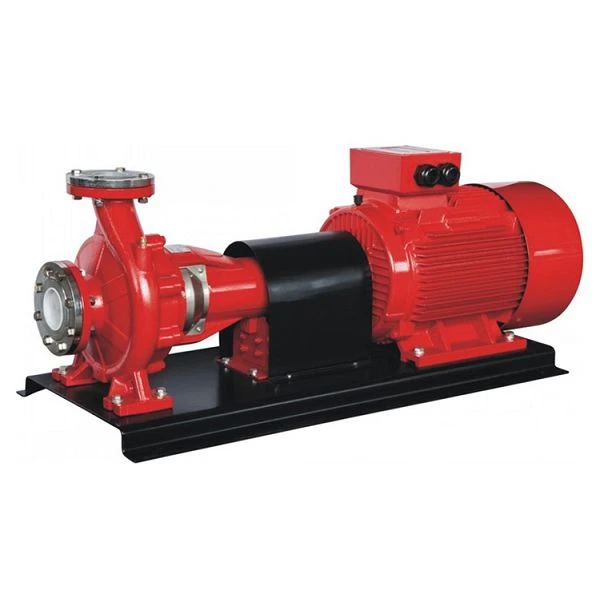
The Centrifugal Fire Pump is another common type. Centrifugal pumps work by using centrifugal force to increase the velocity of the water and then convert it into pressure. The flow rate of a centrifugal fire pump is affected by the impeller size, the number of impellers, and the rotational speed of the pump. Larger impellers and higher rotational speeds generally result in higher flow rates.
The suction conditions also play a significant role in determining the flow rate. If the suction source has a low water level or is restricted, it can reduce the amount of water that the pump can draw in, thereby decreasing the flow rate. Additionally, the friction loss in the piping system can affect the flow rate. Longer pipes, smaller pipe diameters, and the presence of fittings and valves can all increase the friction loss, reducing the available flow rate at the discharge point.
The pressure requirements of the fire protection system also impact the flow rate. Higher pressure demands may require the pump to work harder, which can sometimes result in a decrease in the flow rate. The pump must balance between delivering the required pressure and maintaining an adequate flow rate.
Determining the Appropriate Flow Rate for a Fire Protection System
Determining the appropriate flow rate for a fire protection system requires a careful assessment of several factors. First, the type of occupancy and the fire hazard level of the building need to be considered. For example, a warehouse storing flammable materials will require a higher flow rate compared to an office building.
The size and layout of the building also play a role. Larger buildings with more extensive floor areas will generally need a higher flow rate to ensure complete coverage. The number and type of fire protection devices, such as sprinklers and standpipes, also need to be taken into account. Each device has a specific water demand, and the total flow rate of the system should be sufficient to meet the combined needs of all the devices.
Hydraulic calculations are often performed to determine the exact flow rate requirements. These calculations consider factors such as the pipe sizes, lengths, friction losses, and the pressure requirements of the system. Engineers use specialized software and industry - standard formulas to perform these calculations accurately.
Different Flow Rate Requirements for Various Applications
In industrial settings, where large - scale fires can cause significant damage, high - flow fire pumps are often required. Chemical plants, refineries, and manufacturing facilities may need fire pumps with flow rates in the thousands of GPM to handle potential fires involving flammable liquids or gases.
Commercial buildings, such as shopping malls and hotels, also have specific flow rate requirements. These buildings typically have a large number of occupants, and the fire protection system needs to be able to quickly suppress any fire to ensure the safety of the people. Flow rates for commercial buildings can range from several hundred GPM to over a thousand GPM, depending on the size and complexity of the building.
Residential buildings, on the other hand, generally have lower flow rate requirements. Single - family homes may only need a fire pump with a flow rate of a few hundred GPM, especially if they are equipped with a basic sprinkler system. However, multi - family residential buildings, such as apartment complexes, may require higher flow rates to protect the larger number of units and occupants.
Maintaining the Flow Rate of a Fire Pump
Regular maintenance is essential to ensure that a fire pump maintains its designed flow rate. This includes inspecting the pump for any signs of wear and tear, such as damaged impellers or seals. The pump's motor and controls should also be checked to ensure proper operation.
The suction and discharge piping should be inspected for leaks, blockages, or corrosion. Any issues with the piping can reduce the flow rate of the pump. Additionally, the pump should be tested regularly to verify its performance. Flow and pressure tests can be conducted to ensure that the pump is delivering the required flow rate and pressure.
Contact for Fire Pump Procurement
If you are in the process of planning a fire protection system or need to replace an existing fire pump, it is crucial to choose a reliable supplier. As a professional fire pump supplier, we have a wide range of fire pumps with different flow rate capabilities to meet your specific needs. Whether you need a Submersible Fire Pump or a Centrifugal Fire Pump, we can provide you with high - quality products and expert advice.
Our team of experienced engineers can assist you in determining the appropriate flow rate for your fire protection system and help you select the right pump. We understand the importance of compliance with building codes and regulations and can ensure that the fire pumps we supply meet all the necessary standards.
If you have any questions or would like to discuss your fire pump requirements, please feel free to contact us. We are committed to providing you with the best solutions for your fire protection needs.
References
- National Fire Protection Association (NFPA) Standards.
- Hydraulic Institute Standards for Pump Performance.
- Engineering textbooks on fire protection systems.