As a trusted supplier of bronze pump impellers, I often encounter inquiries from customers regarding the maximum pressure rating of these essential components. Understanding the maximum pressure rating is crucial for ensuring the safe and efficient operation of pumps in various applications. In this blog post, I will delve into the factors that determine the maximum pressure rating of a bronze pump impeller, discuss industry standards, and provide practical insights to help you make informed decisions.
Factors Affecting the Maximum Pressure Rating
The maximum pressure rating of a bronze pump impeller is influenced by several key factors, including the material properties of bronze, the design and construction of the impeller, and the operating conditions of the pump.
Material Properties of Bronze
Bronze is an alloy primarily composed of copper and tin, with small amounts of other elements such as zinc, lead, and phosphorus. The specific composition of bronze can vary depending on the desired properties, such as strength, corrosion resistance, and wear resistance. Different types of bronze have different mechanical properties, which directly affect the maximum pressure rating of the impeller.
For example, phosphor bronze is known for its high strength and excellent corrosion resistance, making it suitable for applications where the impeller is exposed to harsh chemicals or abrasive fluids. On the other hand, aluminum bronze offers superior strength and wear resistance, making it ideal for high-pressure and high-speed applications.
Design and Construction of the Impeller
The design and construction of the impeller play a significant role in determining its maximum pressure rating. Factors such as the impeller's shape, size, and blade profile can affect its structural integrity and hydraulic performance under pressure.
A well-designed impeller will have a balanced and symmetrical shape to minimize stress concentrations and ensure uniform flow distribution. The blade profile should be optimized to provide efficient energy transfer and minimize turbulence, which can reduce the impeller's efficiency and increase the risk of cavitation.
In addition, the manufacturing process used to produce the impeller can also impact its maximum pressure rating. Precision casting techniques, such as investment casting, can produce impellers with complex geometries and high dimensional accuracy, resulting in improved performance and reliability.
Operating Conditions of the Pump
The operating conditions of the pump, including the fluid properties, flow rate, and temperature, can also affect the maximum pressure rating of the impeller. For example, pumping fluids with high viscosity or abrasive particles can increase the load on the impeller and reduce its maximum pressure rating.
Similarly, operating the pump at high flow rates or temperatures can cause thermal expansion and mechanical stress on the impeller, which can lead to premature failure. It is important to consider these factors when selecting a bronze pump impeller and ensure that it is designed to withstand the specific operating conditions of your application.
Industry Standards and Guidelines
To ensure the safety and reliability of pump impellers, several industry standards and guidelines have been established. These standards provide specifications for the design, manufacturing, and testing of impellers, including the maximum pressure rating.
One of the most widely recognized standards for pump impellers is the American National Standards Institute (ANSI) B73.1 standard, which covers centrifugal pumps for chemical process applications. This standard specifies the requirements for impeller design, materials, and performance, including the maximum allowable pressure and temperature ratings.
In addition to ANSI standards, other organizations, such as the International Organization for Standardization (ISO) and the Hydraulic Institute (HI), also provide guidelines and standards for pump impellers. These standards can be used as a reference when selecting a bronze pump impeller to ensure that it meets the required performance and safety criteria.
Determining the Maximum Pressure Rating
Determining the maximum pressure rating of a bronze pump impeller requires a comprehensive understanding of the factors discussed above. In general, the maximum pressure rating is determined by conducting a series of tests and calculations based on the impeller's design, material properties, and operating conditions.
One common method for determining the maximum pressure rating is to perform a finite element analysis (FEA), which uses computer simulations to model the impeller's behavior under different loading conditions. FEA can help identify potential stress concentrations and areas of weakness in the impeller design, allowing for optimization and improvement.
In addition to FEA, physical testing of the impeller is also necessary to validate the results of the simulations and ensure that the impeller meets the required performance and safety standards. Physical testing typically involves subjecting the impeller to increasing pressure until it fails, while monitoring its performance and behavior.
Practical Considerations
When selecting a bronze pump impeller, it is important to consider the specific requirements of your application and choose an impeller that is designed to withstand the maximum pressure and operating conditions. Here are some practical considerations to keep in mind:
- Consult with a Pump Expert: If you are unsure about the maximum pressure rating of a bronze pump impeller for your application, it is recommended to consult with a pump expert or engineer. They can help you evaluate your requirements and select the most suitable impeller for your needs.
- Consider the Fluid Properties: The properties of the fluid being pumped, such as viscosity, density, and corrosiveness, can have a significant impact on the impeller's performance and maximum pressure rating. Make sure to choose an impeller that is compatible with the fluid and can withstand the specific operating conditions.
- Choose a Reputable Supplier: When purchasing a bronze pump impeller, it is important to choose a reputable supplier that has a proven track record of providing high-quality products. Look for suppliers that offer a wide range of impeller designs and materials, and that can provide technical support and assistance.
- Follow the Manufacturer's Recommendations: Always follow the manufacturer's recommendations for installation, operation, and maintenance of the pump impeller. This will help ensure that the impeller operates safely and efficiently and that its maximum pressure rating is not exceeded.
Conclusion
In conclusion, the maximum pressure rating of a bronze pump impeller is determined by several factors, including the material properties of bronze, the design and construction of the impeller, and the operating conditions of the pump. By understanding these factors and following industry standards and guidelines, you can select a bronze pump impeller that is designed to withstand the specific requirements of your application and ensure the safe and efficient operation of your pump.
If you are in the market for a bronze pump impeller, I encourage you to explore our extensive range of products at Bronze Pump Impeller. We offer a variety of impeller designs and materials to meet the diverse needs of our customers, and our team of experts is available to provide technical support and assistance.
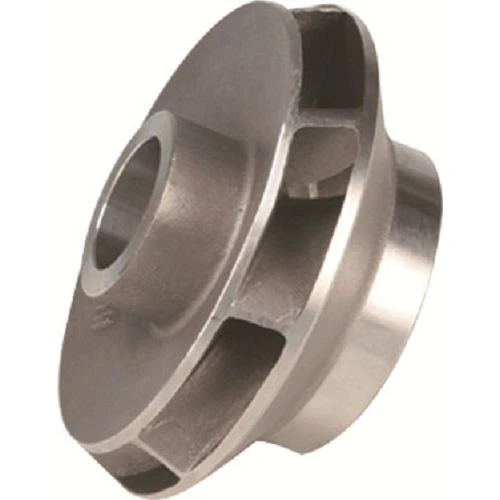
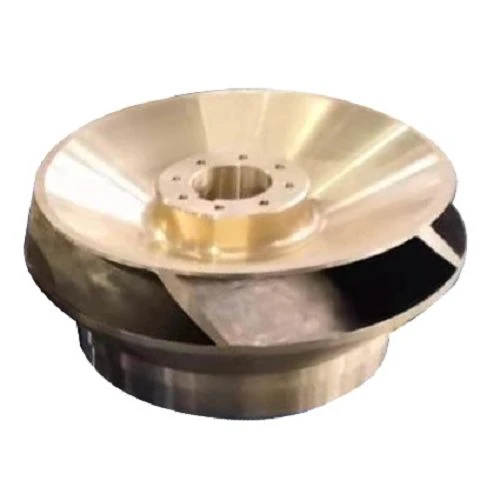
In addition to bronze pump impellers, we also offer Stainless Steel Pump Impeller and Cast Iron Pump Impeller options for different applications. Whether you need a standard impeller or a custom-designed solution, we can help you find the right product for your needs.
If you have any questions or would like to discuss your requirements further, please do not hesitate to contact us. We look forward to working with you and helping you find the perfect pump impeller for your application.
References
- American National Standards Institute (ANSI) B73.1 - Centrifugal Pumps for Chemical Process Applications
- International Organization for Standardization (ISO) - Pump-related Standards
- Hydraulic Institute (HI) - Pump Standards and Guidelines