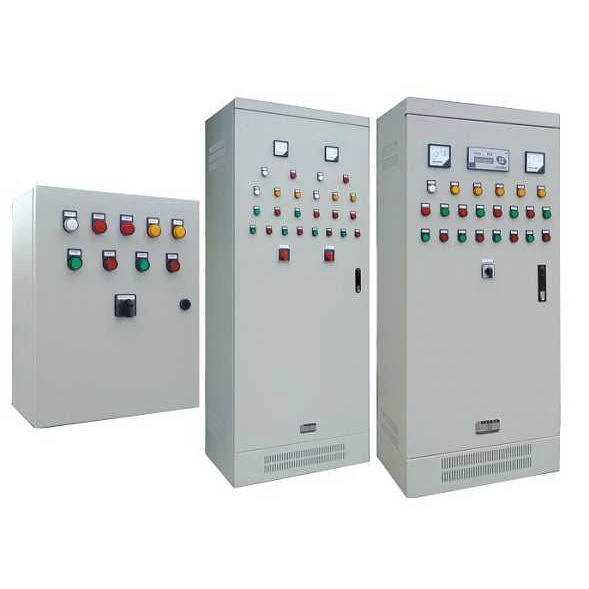
A pump control panel serves as the nerve center of a pumping system, orchestrating and regulating the operation of pumps to ensure efficient and reliable performance. At the heart of this control panel lies a display, which plays a pivotal role in providing crucial information and facilitating user interaction. As a leading Pump Control Panel supplier, I have witnessed firsthand the significance of a well-designed display in optimizing pump operation and enhancing user experience. In this blog post, I will delve into the various functions of a display on a pump control panel and explore how it contributes to the overall efficiency and effectiveness of a pumping system.
Real-Time Monitoring
One of the primary functions of a display on a pump control panel is to provide real-time monitoring of key parameters related to pump operation. This includes information such as pump status (running, stopped, fault), flow rate, pressure, temperature, and power consumption. By continuously displaying these parameters, operators can quickly assess the performance of the pump and identify any potential issues or abnormalities. For example, if the pressure reading suddenly drops, it could indicate a leak in the system or a blockage in the pipeline. Similarly, an increase in temperature could suggest overheating of the pump motor, which requires immediate attention to prevent damage.
Real-time monitoring also allows operators to track the performance of the pump over time and identify trends or patterns. This information can be used to optimize pump operation, schedule maintenance, and make informed decisions about system upgrades or modifications. For instance, if the flow rate is consistently lower than expected, it may be necessary to adjust the pump speed or replace a worn-out impeller. By having access to accurate and up-to-date information, operators can take proactive measures to ensure the reliable and efficient operation of the pumping system.
Alarm Notification
In addition to real-time monitoring, a display on a pump control panel also serves as an alarm notification system. When a critical parameter exceeds a predefined threshold or when a fault occurs in the system, the display will trigger an alarm to alert the operator. The alarm can be visual, such as a flashing light or a pop-up message on the display, or audible, such as a buzzer or a siren. The type and severity of the alarm can be customized based on the specific requirements of the application.
Alarm notification is essential for ensuring the safety and reliability of the pumping system. By promptly alerting the operator to potential issues, it allows for timely intervention and prevents minor problems from escalating into major failures. For example, if the pump motor overheats, the alarm will notify the operator to shut down the pump immediately to prevent damage to the motor. Similarly, if there is a loss of pressure in the system, the alarm will alert the operator to check for leaks or blockages and take appropriate action.
Control and Configuration
Another important function of a display on a pump control panel is to provide a user interface for controlling and configuring the pump operation. Through the display, operators can start and stop the pump, adjust the pump speed, set the pressure and flow rate, and configure other parameters such as alarm thresholds and timer settings. The display typically features a touchscreen or a keypad interface, which makes it easy for operators to interact with the control panel and make changes to the pump settings.
Control and configuration capabilities allow operators to optimize the performance of the pump based on the specific requirements of the application. For example, in a water supply system, the pump speed can be adjusted to maintain a constant pressure in the pipeline, ensuring a consistent flow of water to the users. Similarly, in a wastewater treatment plant, the pump can be programmed to operate at different speeds depending on the level of wastewater in the tank, minimizing energy consumption and reducing operating costs.
Data Logging and Analysis
A display on a pump control panel can also be used for data logging and analysis. By recording and storing historical data on pump operation, operators can gain valuable insights into the performance of the pumping system over time. The data can include information such as pump status, flow rate, pressure, temperature, and power consumption, as well as the date and time of each event.
Data logging and analysis can be used to identify trends, patterns, and anomalies in pump operation, which can help operators optimize the performance of the pumping system and prevent potential problems. For example, by analyzing the data, operators can determine the optimal pump speed and operating conditions to minimize energy consumption and extend the lifespan of the pump. They can also identify any recurring issues or faults in the system and take proactive measures to address them before they cause significant downtime or damage.
Remote Monitoring and Control
With the advancement of technology, many pump control panels now offer remote monitoring and control capabilities. This allows operators to monitor and control the pump operation from a remote location using a computer, smartphone, or tablet. The remote monitoring and control system typically uses a secure internet connection to transmit data between the control panel and the remote device.
Remote monitoring and control provide several benefits for operators. It allows them to access real-time information about the pump operation from anywhere, at any time, which is particularly useful for large-scale pumping systems or systems located in remote areas. It also enables operators to respond quickly to any issues or emergencies, even if they are not physically present at the site. For example, if an alarm is triggered in the middle of the night, the operator can use the remote monitoring and control system to check the status of the pump and take appropriate action without having to travel to the site.
Conclusion
In conclusion, a display on a pump control panel plays a crucial role in optimizing pump operation and enhancing user experience. It provides real-time monitoring of key parameters, alarm notification, control and configuration capabilities, data logging and analysis, and remote monitoring and control. By having access to accurate and up-to-date information, operators can make informed decisions about pump operation, schedule maintenance, and take proactive measures to ensure the reliable and efficient performance of the pumping system.
As a Pump Control Panel supplier, we understand the importance of a well-designed display in a pump control panel. That's why we offer a wide range of control panels with advanced display features to meet the specific requirements of our customers. Whether you need a simple control panel for a small pumping system or a complex control panel for a large industrial application, we have the expertise and experience to provide you with the right solution.
If you are interested in learning more about our pump control panels or would like to discuss your specific requirements, please contact us today. Our team of experts will be happy to assist you and provide you with a customized solution that meets your needs and budget.
References
- "Pump Control Panel Basics," Pump & Systems Magazine.
- "The Importance of Real-Time Monitoring in Pump Systems," WaterWorld Magazine.
- "Alarm Notification Systems for Pump Control Panels," Control Engineering Magazine.
- "Data Logging and Analysis in Pump Systems," Chemical Engineering Magazine.
- "Remote Monitoring and Control of Pump Systems," Power & Energy Magazine.