As a supplier of Pump Control Panel, I often get asked about the various components that make up these panels and their functions. One crucial component that plays a vital role in the operation of a pump control panel is the switchgear. In this blog post, I will delve into the functions of switchgear in a pump control panel and explain why it is an essential part of the system.
What is Switchgear?
Before we dive into its functions, let's first understand what switchgear is. Switchgear refers to a combination of electrical disconnect switches, fuses, or circuit breakers used to control, protect, and isolate electrical equipment. In the context of a pump control panel, switchgear is responsible for managing the flow of electricity to the pumps and other associated components. It acts as a safeguard, ensuring that the pumps operate safely and efficiently.
Functions of Switchgear in a Pump Control Panel
1. Control Function
One of the primary functions of switchgear in a pump control panel is to control the operation of the pumps. It allows operators to start, stop, and regulate the speed of the pumps as needed. For example, in a water supply system, the switchgear can be programmed to start the pumps when the water level in the reservoir drops below a certain level and stop them when the desired level is reached. This automated control helps to maintain a consistent water supply and prevents over - pumping.
The switchgear also enables the selection of different pump operating modes. Some systems may have multiple pumps, and the switchgear can be configured to operate them in parallel, series, or in an alternating pattern. This flexibility allows for optimal use of the pumps based on the demand, improving energy efficiency and reducing wear and tear on the equipment.
2. Protection Function
Protection is another critical function of switchgear in a pump control panel. Electrical faults such as short circuits, overloads, and under - voltage conditions can cause significant damage to the pumps and other components in the system. The switchgear is designed to detect these faults and quickly isolate the affected parts of the circuit to prevent further damage.
Circuit breakers are a common type of switchgear used for protection. When an overload or short circuit occurs, the circuit breaker automatically trips, interrupting the flow of electricity. This action protects the pumps from excessive current, which could otherwise lead to overheating and burnout. Fuses also serve a similar purpose. They are designed to melt and break the circuit when the current exceeds a certain level, providing a simple and effective way to protect the equipment.
In addition to over - current protection, switchgear can also provide protection against under - voltage and over - voltage conditions. Under - voltage can cause the pumps to operate inefficiently or even stall, while over - voltage can damage the electrical components. The switchgear can monitor the voltage levels and take appropriate action, such as shutting down the pumps or triggering an alarm, to prevent damage.
3. Isolation Function
Isolation is an important safety feature of switchgear in a pump control panel. When maintenance or repairs are required on the pumps or other components, it is necessary to isolate the electrical supply to ensure the safety of the maintenance personnel. The switchgear allows for easy and safe isolation of the circuit by providing a means to disconnect the power source.
Disconnect switches are commonly used for isolation. They are designed to be manually operated and can be easily opened to break the electrical connection. This feature ensures that the maintenance team can work on the equipment without the risk of electric shock. In addition, the switchgear can also provide visible indication of the isolation status, such as a visual break in the circuit or a position indicator, to confirm that the power is off.
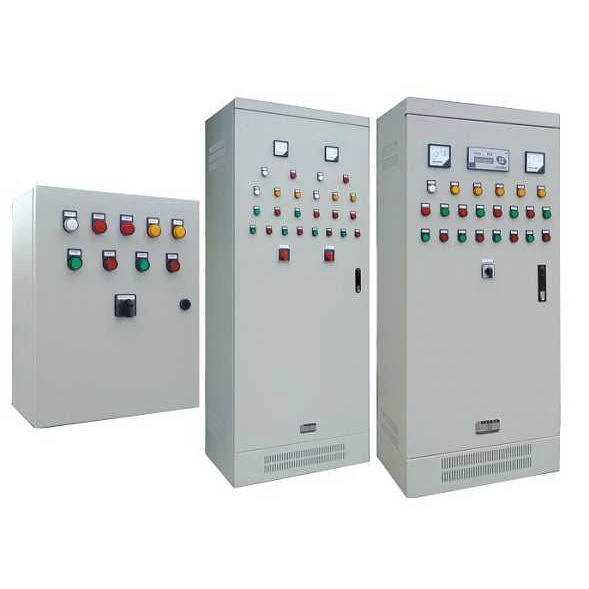
4. Monitoring and Diagnostic Function
Modern switchgear in pump control panels often comes equipped with monitoring and diagnostic capabilities. These features allow operators to keep track of the performance of the pumps and the electrical system. Sensors can be integrated into the switchgear to measure parameters such as current, voltage, temperature, and power consumption.
The data collected by these sensors can be used to monitor the health of the pumps and detect any potential problems early. For example, an increase in current or temperature may indicate a mechanical problem or an impending failure. By analyzing the data, operators can take proactive measures to prevent breakdowns and schedule maintenance in a timely manner. Some switchgear systems can also be connected to a central monitoring system, allowing for remote monitoring and control of the pump control panel.
Importance of High - Quality Switchgear in Pump Control Panels
Using high - quality switchgear in pump control panels is essential for the reliable and efficient operation of the system. Inferior switchgear may not provide adequate protection or control, leading to frequent breakdowns and costly repairs. High - quality switchgear is designed to meet strict industry standards and is built to withstand the harsh operating conditions often encountered in pump applications.
It also offers better reliability and longer service life. This means less downtime for the system, ensuring a continuous supply of water or other fluids. Additionally, high - quality switchgear is more energy - efficient, which can result in significant cost savings over the long term.
Conclusion
In conclusion, switchgear plays a crucial role in the operation of a pump control panel. Its functions of control, protection, isolation, and monitoring are essential for the safe, efficient, and reliable operation of the pumps and the entire system. As a Pump Control Panel supplier, we understand the importance of using high - quality switchgear in our products.
If you are in the market for a pump control panel or need to upgrade your existing system, we invite you to contact us for a consultation. Our team of experts can help you select the right switchgear and components for your specific needs, ensuring that your pump system operates at its best. Let's work together to find the perfect solution for your pumping requirements.
References
- Electrical Power Systems: Design and Analysis by Turan Gonen
- Industrial Control Systems Handbook by Ronald G. Barnes
- Pump Handbook by Igor Karassik