In the realm of fire protection, fire pumps play a pivotal role in ensuring the effective suppression of fires. As a dedicated fire pump supplier, I've witnessed firsthand the importance of understanding the various components and mechanisms that make these pumps function optimally. One of the key aspects that often piques the curiosity of customers is the generator of a fire pump. In this blog post, I'll delve into what the generator of a fire pump is, its significance, and how it relates to the overall performance of fire pumps.
What is a Generator for a Fire Pump?
A generator for a fire pump is a power source that provides electrical energy to the pump when the normal power supply fails. In the event of a fire, the reliability of the power supply to the fire pump is crucial. Regular power grids can be disrupted during emergencies such as natural disasters or large - scale fires. This is where the generator steps in to ensure that the fire pump can continue to operate, delivering the necessary water pressure and flow rate to combat the fire.
Generators for fire pumps are typically designed to be highly reliable and durable. They are often diesel - powered, as diesel engines offer several advantages in this context. Diesel generators can start quickly, usually within 10 seconds of a power outage, ensuring that the fire pump can be operational in a timely manner. They also have a high power - to - weight ratio, which means they can provide a significant amount of power in a relatively compact size.
The Significance of the Generator in Fire Pump Systems
The importance of the generator in a fire pump system cannot be overstated. In a fire situation, every second counts, and a non - functioning fire pump due to a power failure can have catastrophic consequences. The generator acts as a backup power source, providing a reliable and continuous supply of electricity to the pump.
One of the main functions of the fire pump is to increase the water pressure in the fire sprinkler system or the standpipe system. Without sufficient power, the pump cannot generate the required pressure to distribute water effectively throughout the building. This could result in the fire spreading rapidly, causing extensive damage to property and endangering the lives of occupants.
Moreover, in large commercial or industrial buildings, the fire pump may need to operate for an extended period to control the fire. The generator is designed to run continuously for hours, if necessary, to ensure that the fire pump can maintain the required water flow and pressure until the fire is extinguished.
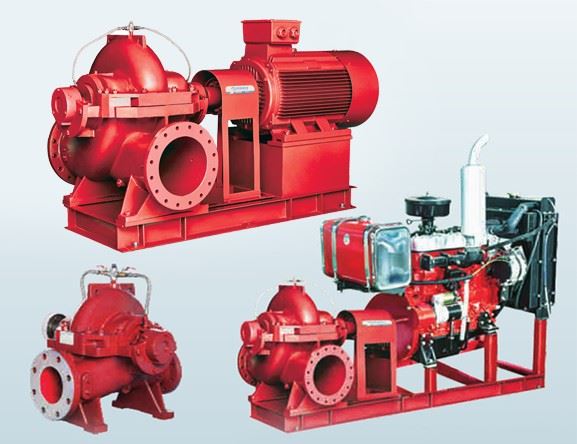
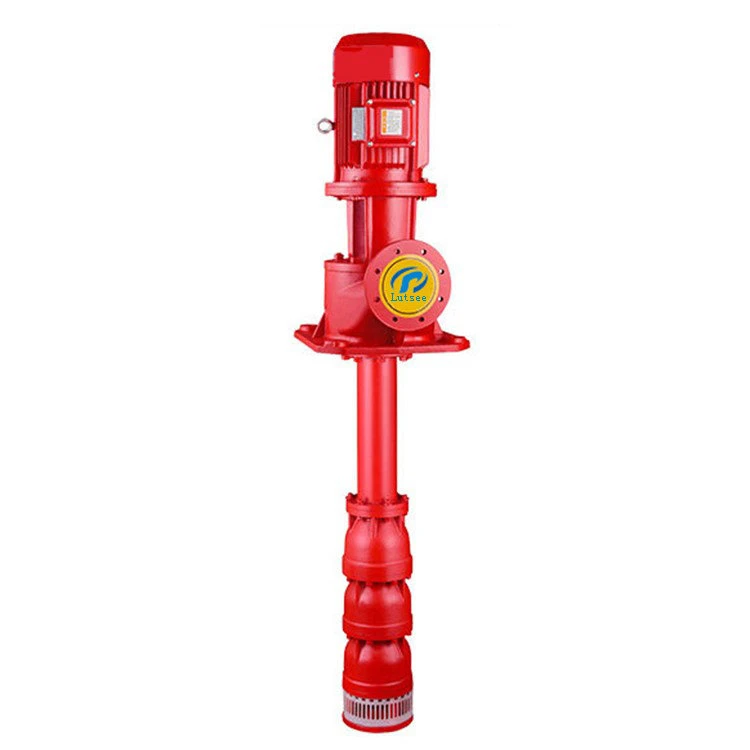
Types of Fire Pumps and Their Compatibility with Generators
There are several types of fire pumps, each with its own characteristics and requirements. Two common types are the Centrifugal Fire Pump and the Submersible Fire Pump.
Centrifugal fire pumps are the most widely used type of fire pump. They work by using centrifugal force to increase the water pressure. These pumps are typically driven by an electric motor, which requires a stable power supply. In the event of a power outage, the generator steps in to provide the necessary electricity to keep the pump running. Centrifugal fire pumps come in various sizes and capacities, and the generator must be sized appropriately to match the power requirements of the pump.
Submersible fire pumps, on the other hand, are designed to be submerged in water. They are often used in applications where the water source is located below the pump, such as in wells or reservoirs. Like centrifugal fire pumps, submersible fire pumps also rely on an electric motor for operation. A generator is essential for these pumps to ensure continuous operation during power failures.
Sizing the Generator for a Fire Pump
Sizing the generator correctly is crucial to ensure the proper functioning of the fire pump. Several factors need to be considered when determining the appropriate size of the generator.
The first factor is the power requirements of the fire pump. This includes the motor horsepower of the pump, as well as any additional electrical loads associated with the pump, such as control panels and monitoring devices. The generator must be able to provide enough power to start and run the pump under full load conditions.
Another important factor is the starting current of the pump motor. When a motor starts, it typically draws a much higher current than it does during normal operation. This is known as the inrush current. The generator must be able to handle this initial surge in current without tripping or losing power.
The ambient conditions also play a role in sizing the generator. High temperatures, high altitudes, and humidity can all affect the performance of the generator. In areas with extreme environmental conditions, the generator may need to be oversized to compensate for these factors.
Maintenance and Testing of the Generator
Regular maintenance and testing of the generator are essential to ensure its reliability in a fire situation. Maintenance tasks typically include checking the fuel level, oil level, and coolant level, as well as inspecting the electrical connections and controls. The generator should also be run periodically to keep the engine in good condition and to ensure that it can start and run smoothly.
Testing of the generator is usually done in accordance with national and local fire codes. These tests typically involve simulating a power outage and verifying that the generator can start within the required time frame and provide the necessary power to the fire pump. The pump should also be tested to ensure that it can operate at the required pressure and flow rate when powered by the generator.
Choosing the Right Generator for Your Fire Pump
As a fire pump supplier, I often receive inquiries from customers about choosing the right generator for their fire pump systems. When making this decision, it's important to work with a reputable supplier who has experience in fire protection systems.
The supplier should be able to assess your specific requirements, including the size and type of the fire pump, the power requirements, and the environmental conditions. They can then recommend the appropriate generator based on these factors.
It's also important to consider the quality and reliability of the generator. Look for generators that are certified to meet relevant industry standards, such as UL (Underwriters Laboratories) or FM (Factory Mutual) standards. These certifications ensure that the generator has been tested and meets the necessary safety and performance requirements.
Conclusion
The generator of a fire pump is a critical component in any fire protection system. It provides a reliable backup power source to ensure that the fire pump can continue to operate during power failures, which is essential for effective fire suppression. As a fire pump supplier, I understand the importance of choosing the right generator and ensuring its proper maintenance and testing.
If you're in the market for a fire pump and generator system, or if you have any questions about the generator of a fire pump, I encourage you to reach out to us. Our team of experts is here to help you make the right decisions and ensure that your fire protection system is reliable and effective. Contact us today to start the procurement and negotiation process, and let's work together to safeguard your property and lives from the threat of fire.
References
- NFPA 20: Standard for the Installation of Stationary Pumps for Fire Protection.
- UL 1275: Standard for Stationary Engine - Generator Assemblies for Use as Emergency and Standby Power Supplies.
- FM Global Data Sheets related to fire pump systems and generators.