The vibration level of a submersible motor is a critical parameter that significantly impacts its performance, reliability, and lifespan. As a leading supplier of submersible motors, we understand the importance of maintaining optimal vibration levels to ensure the smooth operation of these essential devices. In this blog post, we will delve into the concept of vibration levels in submersible motors, exploring what they are, why they matter, and how we, as a supplier, ensure the highest standards in this regard.
Understanding Vibration in Submersible Motors
Vibration in a submersible motor refers to the mechanical oscillations that occur during its operation. These oscillations can be caused by various factors, including unbalanced rotating parts, misalignment, loose components, or external forces acting on the motor. When a motor vibrates, it can lead to a range of issues, from increased wear and tear on components to reduced efficiency and even complete motor failure.
The vibration level of a submersible motor is typically measured in terms of amplitude and frequency. Amplitude refers to the maximum displacement of the vibrating part from its equilibrium position, while frequency represents the number of oscillations per unit of time. These measurements are crucial as they provide valuable insights into the health and performance of the motor.
Why Vibration Levels Matter
Maintaining appropriate vibration levels in a submersible motor is essential for several reasons. Firstly, excessive vibration can cause mechanical stress on the motor's components, leading to premature wear and tear. This can result in frequent breakdowns, increased maintenance costs, and reduced productivity. For example, high vibration levels can cause bolts to loosen, bearings to wear out faster, and shafts to become misaligned, all of which can compromise the motor's performance and reliability.
Secondly, vibration can also have a negative impact on the efficiency of the motor. When a motor vibrates, it consumes more energy to overcome the additional resistance caused by the oscillations. This not only increases operating costs but also reduces the overall energy efficiency of the system. In today's energy-conscious world, optimizing the efficiency of submersible motors is crucial for both environmental and economic reasons.
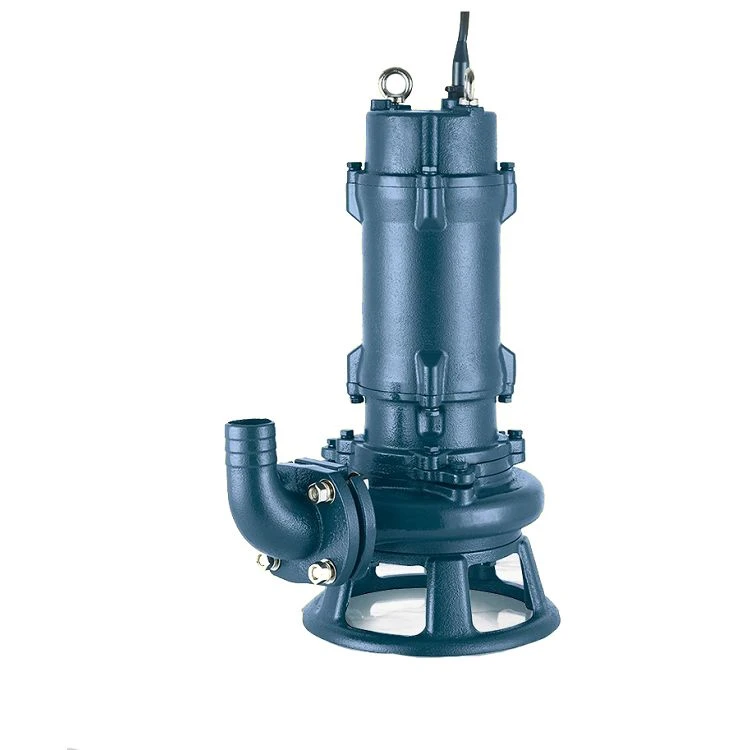

Finally, excessive vibration can pose a safety risk. In industrial settings, vibrating motors can generate noise and cause discomfort to workers. Moreover, if the vibration is severe enough, it can lead to structural damage to the surrounding equipment or even cause the motor to become unstable, potentially resulting in accidents.
Measuring Vibration Levels
To ensure that our submersible motors meet the highest standards of quality and performance, we use advanced vibration monitoring techniques. These techniques involve the use of specialized sensors that are installed on the motor to measure its vibration levels in real-time. The sensors collect data on the amplitude and frequency of the vibrations and transmit it to a monitoring system, where it is analyzed to detect any signs of abnormal vibration.
There are several international standards and guidelines that define the acceptable vibration levels for submersible motors. For example, the International Electrotechnical Commission (IEC) has established standards for vibration limits in rotating electrical machines. These standards provide a framework for manufacturers to ensure that their motors operate within safe and acceptable vibration ranges.
Factors Affecting Vibration Levels
Several factors can affect the vibration levels of a submersible motor. One of the primary factors is the design and construction of the motor. A well-designed motor with balanced rotating parts and proper alignment is less likely to vibrate excessively. At our company, we invest heavily in research and development to ensure that our submersible motors are designed and manufactured to the highest standards.
Another important factor is the quality of the components used in the motor. Low-quality bearings, shafts, or other components can increase the likelihood of vibration. That's why we only source the highest quality materials from trusted suppliers and subject them to rigorous quality control checks before they are used in our motors.
The operating conditions of the motor also play a significant role in determining its vibration levels. For example, if the motor is operating in a harsh environment with high levels of dust, moisture, or temperature variations, it may be more prone to vibration. In such cases, we recommend using motors with appropriate protection features, such as sealed enclosures and corrosion-resistant coatings, to minimize the impact of these environmental factors.
Our Commitment to Quality
As a leading supplier of Submersible Motor, we are committed to providing our customers with products that meet the highest standards of quality and performance. We have a team of experienced engineers and technicians who are dedicated to ensuring that our motors are designed, manufactured, and tested to the strictest specifications.
Before a motor leaves our factory, it undergoes a series of comprehensive tests, including vibration testing. We use state-of-the-art equipment to measure the vibration levels of the motor and ensure that they are within the acceptable range. If any issues are detected during the testing process, our engineers will immediately take corrective action to resolve them.
In addition to our rigorous quality control measures, we also offer excellent after-sales support. Our team of experts is available to provide technical assistance, maintenance advice, and spare parts to ensure that our customers' motors continue to operate smoothly and efficiently.
Applications of Submersible Motors
Submersible motors are widely used in various industries, including water treatment, mining, agriculture, and construction. In the water treatment industry, for example, submersible motors are used to power Submersible Sewage Pump that are used to transport wastewater and sewage. These pumps need to operate reliably in harsh environments, and maintaining appropriate vibration levels is crucial for their long-term performance.
In the mining industry, Mine Flameproof Submersible Sand Pump powered by submersible motors are used to remove sand and other debris from mines. These pumps are often exposed to high levels of abrasion and vibration, and our motors are designed to withstand these challenging conditions.
Contact Us for Your Submersible Motor Needs
If you are in the market for high-quality submersible motors, look no further. As a trusted supplier, we have the expertise and experience to provide you with the right solution for your specific needs. Whether you need a motor for a small-scale application or a large industrial project, we can offer you a wide range of options to choose from.
Our team of experts is always ready to assist you in selecting the most suitable motor for your requirements. We can also provide you with detailed information on the performance, specifications, and maintenance of our products. To learn more about our submersible motors or to discuss your specific needs, please contact us today. We look forward to the opportunity to work with you and help you achieve your goals.
References
- International Electrotechnical Commission (IEC). Standards for vibration limits in rotating electrical machines.
- Various industry publications on submersible motor technology and maintenance.