What is the hydraulic performance of a submersible pump?
As a supplier of submersible pumps, I've had the privilege of witnessing the vital role these pumps play in various industries. Submersible pumps are designed to operate while fully submerged in the fluid they are pumping, which offers several advantages over other types of pumps. In this blog, I'll delve into the hydraulic performance of submersible pumps, exploring the key factors that influence it and how it impacts the overall efficiency and effectiveness of these pumps.
Key Parameters of Hydraulic Performance
Flow Rate
Flow rate, often measured in gallons per minute (GPM) or cubic meters per hour (m³/h), is a fundamental parameter of a submersible pump's hydraulic performance. It refers to the volume of fluid that the pump can move through the system in a given period. The flow rate of a submersible pump is determined by several factors, including the pump's design, the size and shape of the impeller, and the power of the motor.
A higher flow rate is generally desirable in applications where large volumes of fluid need to be moved quickly, such as in flood control or water supply systems. However, it's important to note that the flow rate of a submersible pump can be affected by the head (pressure) of the system. As the head increases, the flow rate typically decreases.
Head
Head is another crucial parameter in understanding the hydraulic performance of a submersible pump. It represents the height or pressure that the pump can lift the fluid against. Head is usually measured in feet or meters of water column. There are two main types of head: static head and dynamic head.
Static head is the vertical distance between the fluid source and the point of discharge, without considering any losses due to friction or other factors. Dynamic head, on the other hand, takes into account the additional pressure required to overcome friction in the pipes, valves, and other components of the system.
The relationship between flow rate and head is often depicted on a pump performance curve. This curve shows how the flow rate of the pump changes as the head varies. By analyzing the performance curve, users can select the appropriate submersible pump for their specific application, ensuring that it can provide the required flow rate at the desired head.
Efficiency
Efficiency is a measure of how effectively a submersible pump converts electrical energy into hydraulic energy. It is expressed as a percentage and represents the ratio of the useful power output (hydraulic power) to the power input (electrical power). A higher efficiency means that the pump uses less energy to achieve the same flow rate and head, resulting in lower operating costs.
The efficiency of a submersible pump is influenced by several factors, including the design of the impeller, the quality of the materials used, and the operating conditions. Well-designed impellers with smooth surfaces and optimal blade angles can minimize energy losses due to friction and turbulence, improving the overall efficiency of the pump.
Factors Affecting Hydraulic Performance
Impeller Design
The impeller is one of the most critical components of a submersible pump, as it is responsible for imparting energy to the fluid. The design of the impeller, including its shape, size, and number of blades, has a significant impact on the pump's hydraulic performance.
A properly designed impeller can ensure smooth and efficient fluid flow, minimizing losses due to recirculation and turbulence. For example, a closed impeller, which has shrouds on both sides of the blades, can provide better control of the fluid flow and higher efficiency compared to an open impeller.
Pump Size and Power
The size and power of the submersible pump also play a crucial role in determining its hydraulic performance. A larger pump with a more powerful motor can generally provide a higher flow rate and head compared to a smaller pump. However, it's important to select the right pump size for the application to avoid over-sizing or under-sizing.
Over-sizing a pump can lead to inefficient operation, as the pump may be operating at a point on the performance curve where its efficiency is low. Under-sizing a pump, on the other hand, may not be able to meet the required flow rate and head, resulting in poor system performance.
Fluid Properties
The properties of the fluid being pumped, such as its viscosity, density, and temperature, can also affect the hydraulic performance of a submersible pump. For example, a more viscous fluid requires more energy to pump compared to a less viscous fluid. Similarly, a fluid with a higher density will require a pump with a higher head to lift it to the desired height.
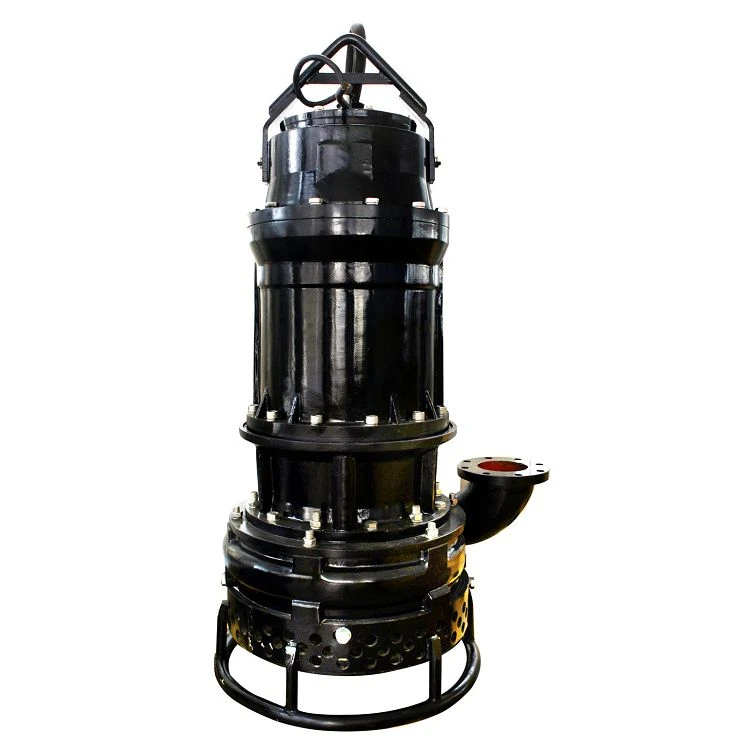
In some applications, the fluid may contain solids or abrasive particles, which can cause wear and tear on the pump components. In such cases, it's important to select a submersible pump that is specifically designed to handle these types of fluids, such as a Submersible Slurry Pump.
Applications and Hydraulic Performance Requirements
Water Supply and Irrigation
In water supply and irrigation systems, the hydraulic performance requirements of submersible pumps are primarily determined by the flow rate and head needed to deliver water to the desired locations. For example, in a large-scale irrigation system, a high flow rate is required to cover a large area of land, while a sufficient head is needed to lift the water from the source to the fields.
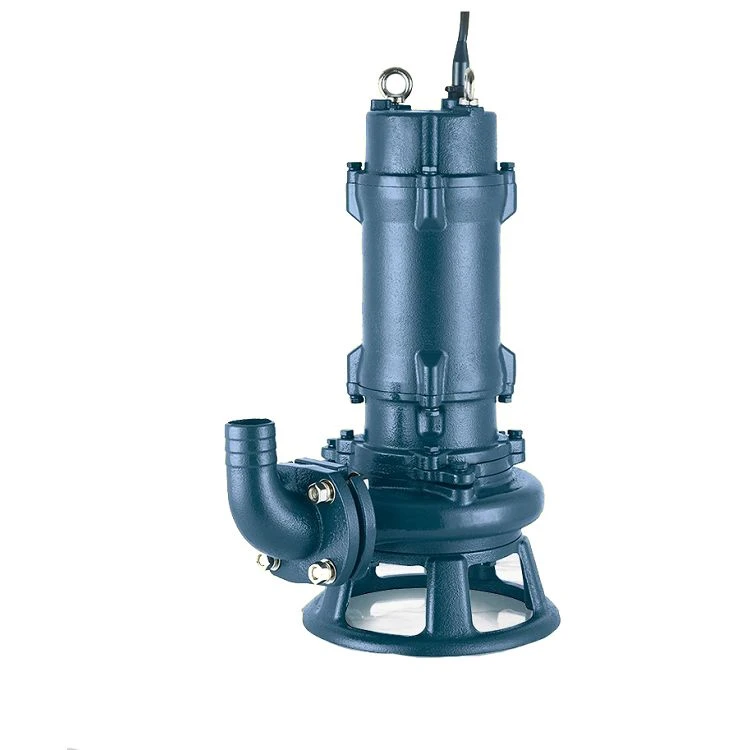
Submersible Sewage Pump are often used in water supply systems to pump water from wells or other sources to storage tanks or distribution networks. These pumps need to be able to provide a consistent flow rate and head to ensure reliable water supply.
Sewage and Wastewater Treatment
In sewage and wastewater treatment plants, submersible pumps are used to transport sewage and other wastewater from one location to another. The hydraulic performance requirements in these applications are often more demanding, as the pumps need to handle fluids that may contain solids and other contaminants.
A Submersible Sewage Pump is designed to handle these types of fluids effectively, with features such as a large free passage to prevent clogging and a robust construction to withstand the abrasive nature of the sewage.
Mining and Construction
In the mining and construction industries, submersible pumps are used for various applications, such as dewatering mines, pumping slurry, and supplying water for construction activities. The hydraulic performance requirements in these applications can vary widely depending on the specific task.
For example, a Mine Flameproof Submersible Sand Pump is designed to handle abrasive sand and slurry in underground mines. These pumps need to be able to provide a high head and flow rate to overcome the resistance of the slurry and lift it to the surface.
Conclusion
The hydraulic performance of a submersible pump is a complex and important aspect that determines its suitability for different applications. By understanding the key parameters of hydraulic performance, such as flow rate, head, and efficiency, and the factors that affect them, users can make informed decisions when selecting a submersible pump.
As a submersible pump supplier, we are committed to providing high-quality pumps that offer excellent hydraulic performance. Our range of Submersible Slurry Pump, Submersible Sewage Pump, and Mine Flameproof Submersible Sand Pump are designed to meet the diverse needs of our customers in various industries.
If you have any questions or need assistance in selecting the right submersible pump for your application, please feel free to contact us. We look forward to the opportunity to discuss your requirements and provide you with the best solutions.
References
- Pump Handbook, Karassik, I. J., Messina, J. P., Cooper, P. E., & Heald, C. C. (Eds.). (2008). McGraw-Hill.
- Hydraulic Machinery, Gülich, J. F. (2008). Springer.
- Submersible Pumps: Principles, Design, and Applications, Various Authors. (Online Resources)