Hey there! As a pump discharge supplier, I've seen firsthand how crucial suction pressure is when it comes to a pump's performance. Today, I'm gonna break down the impact of suction pressure on pump discharge, so you can make better decisions when it comes to your pumping needs.
Understanding Suction Pressure and Pump Discharge
Let's start with the basics. Suction pressure is the pressure at the inlet of the pump. It's what helps draw the fluid into the pump. On the other hand, pump discharge is the pressure and flow rate at which the fluid is pushed out of the pump. These two are closely related, and changes in suction pressure can have a big impact on pump discharge.
How Suction Pressure Affects Flow Rate
One of the most significant impacts of suction pressure on pump discharge is on the flow rate. When the suction pressure is low, the pump has to work harder to draw the fluid in. This can lead to a decrease in the flow rate at the discharge. Think of it like trying to drink a thick milkshake through a straw. If you don't have enough suction power, the milkshake won't flow through the straw as quickly.
Conversely, when the suction pressure is high, the fluid is more easily drawn into the pump, which can increase the flow rate at the discharge. However, there's a limit to this. If the suction pressure is too high, it can cause problems like cavitation, which we'll talk about later.
Impact on Pump Efficiency
Suction pressure also affects the efficiency of the pump. A pump operates most efficiently within a certain range of suction pressures. If the suction pressure is outside this range, the pump has to work harder, which means it uses more energy. This not only increases your operating costs but also puts more wear and tear on the pump, reducing its lifespan.
For example, if the suction pressure is too low, the pump may have to run at a higher speed to maintain the desired flow rate. This increases the power consumption and can lead to overheating and mechanical failures. On the other hand, if the suction pressure is too high, the pump may be overloaded, causing it to operate inefficiently and potentially damaging the pump components.
Cavitation: A Major Concern
One of the most serious problems that can occur due to improper suction pressure is cavitation. Cavitation happens when the pressure at the inlet of the pump drops below the vapor pressure of the fluid. This causes the fluid to form vapor bubbles, which then collapse when they reach a higher-pressure area inside the pump. The collapse of these bubbles creates shock waves that can damage the pump impeller, casing, and other components.
Cavitation can significantly reduce the performance and lifespan of the pump. It can also cause noise, vibration, and increased energy consumption. To prevent cavitation, it's essential to maintain the proper suction pressure. This may involve adjusting the pump speed, changing the piping system, or using a booster pump to increase the suction pressure.
Material Selection and Suction Pressure
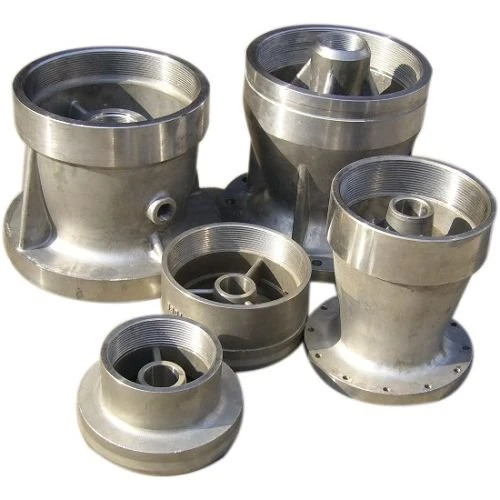
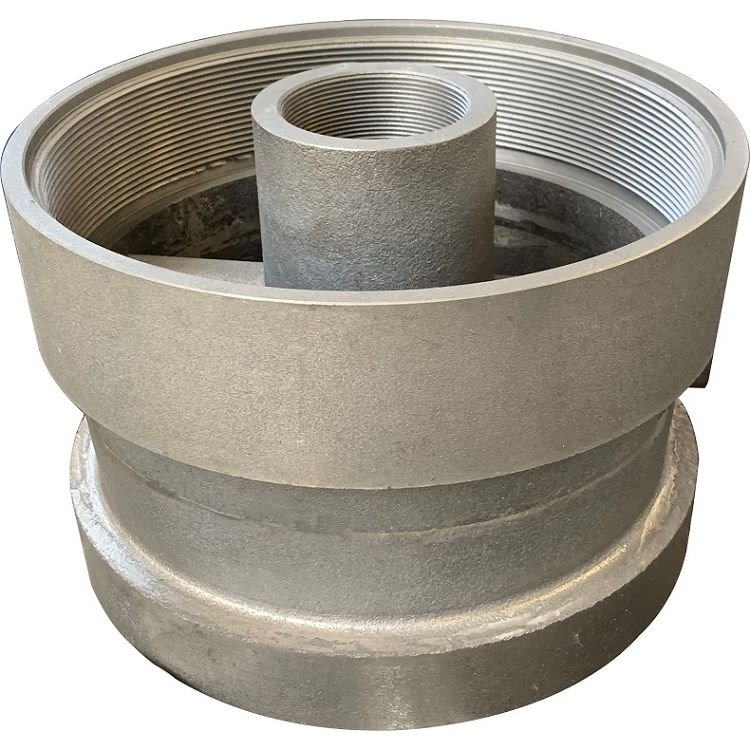
The material of the pump discharge also plays a role in how it responds to suction pressure. For example, Cast Iron Pump Discharge is a popular choice due to its durability and cost-effectiveness. However, cast iron may be more susceptible to damage from cavitation compared to other materials.
On the other hand, Stainless Steel Pump Discharge is more resistant to corrosion and cavitation. It can withstand higher suction pressures and is often used in applications where the fluid is corrosive or the suction conditions are challenging.
Real-World Examples
Let me share a couple of real-world examples to illustrate the impact of suction pressure on pump discharge. I once worked with a customer who was experiencing low flow rates from their pump. After investigating, we found that the suction pressure was too low due to a clogged suction line. Once we cleared the blockage and increased the suction pressure, the flow rate at the discharge improved significantly.
In another case, a customer had a pump that was making a lot of noise and vibrating. We discovered that cavitation was occurring because the suction pressure was too high. By adjusting the pump speed and installing a pressure regulator, we were able to reduce the suction pressure and eliminate the cavitation problem.
Choosing the Right Pump Discharge
When choosing a pump discharge, it's important to consider the suction pressure requirements of your application. You need to make sure that the pump discharge can handle the expected suction pressures without experiencing problems like cavitation or reduced efficiency.
If you're not sure what type of pump discharge is right for your needs, don't hesitate to reach out to us. We have a team of experts who can help you select the best pump discharge based on your specific requirements.
Contact Us for More Information
If you're interested in learning more about the impact of suction pressure on pump discharge or if you're looking to purchase a pump discharge, we'd love to hear from you. We offer a wide range of high-quality pump discharges, including Cast Iron Pump Discharge and Stainless Steel Pump Discharge.
Whether you're a small business or a large industrial operation, we have the products and expertise to meet your needs. Contact us today to start a conversation about your pumping requirements and let's work together to find the best solution for you.
References
- Fluid Mechanics and Hydraulic Machines by R. K. Bansal
- Pump Handbook by Igor J. Karassik et al.
- Hydraulic Institute Standards for Pump Performance and Testing