Hey there! I'm a supplier of Vertical In-Line Pumps, and I often get asked, "When is a wet-pit vertical in-line pump more appropriate?" Well, let's dive right into it and explore the scenarios where these pumps really shine.
First off, let's understand what a wet-pit vertical in-line pump is. It's a type of pump that's designed to be installed vertically in a wet pit. The pump is in-line, which means the suction and discharge ports are in a straight line, making it easy to install in a piping system.
One of the main advantages of a wet-pit vertical in-line pump is its space-saving design. In many industrial and commercial settings, space is at a premium. These pumps can be installed in a relatively small footprint compared to other types of pumps. For example, in a wastewater treatment plant, where there are multiple pumps and other equipment to fit into a limited area, a wet-pit vertical in-line pump can be a great choice. It can be installed directly in the wet well, eliminating the need for a large pump room.
Another situation where a wet-pit vertical in-line pump is appropriate is when dealing with corrosive or abrasive fluids. These pumps are often made from materials that are resistant to corrosion and abrasion, such as stainless steel or special alloys. For instance, in a chemical processing plant, where the fluids being pumped may be highly corrosive, a wet-pit vertical in-line pump made from the right material can ensure long-term operation without significant wear and tear. Check out our Slurry Pump for more options in handling abrasive fluids.
When it comes to high-head applications, wet-pit vertical in-line pumps can also be a good fit. High-head means that the pump needs to generate a lot of pressure to move the fluid to a higher elevation or over a long distance. These pumps are designed to handle high pressures effectively. For example, in a water supply system for a tall building, a wet-pit vertical in-line pump can be used to pump water up to the upper floors. Our Vertical Multistage Pump is specifically designed for high-head applications and can be a great addition to such systems.
In some cases, where the fluid being pumped contains solids or debris, a wet-pit vertical in-line pump can be more suitable than other types of pumps. These pumps are often designed with large passageways to allow solids to pass through without clogging. This is particularly important in applications such as sewage pumping, where the wastewater may contain all sorts of solids. The ability to handle solids makes these pumps more reliable and reduces the need for frequent maintenance.
Now, let's talk about the ease of maintenance. Wet-pit vertical in-line pumps are generally easier to maintain compared to some other pump types. Since they are installed vertically in the wet pit, the pump can be easily accessed for inspection and repair. The impeller and other components can be removed and replaced without having to disassemble a large portion of the piping system. This can save a lot of time and money in maintenance costs.
However, it's important to note that wet-pit vertical in-line pumps may not be the best choice for every situation. For low-flow, low-head applications, a simpler pump like an End Suction Centrifugal Pump may be more cost-effective. Also, if the fluid being pumped has a very low viscosity, other types of pumps may be more efficient.
In summary, a wet-pit vertical in-line pump is more appropriate in the following scenarios:
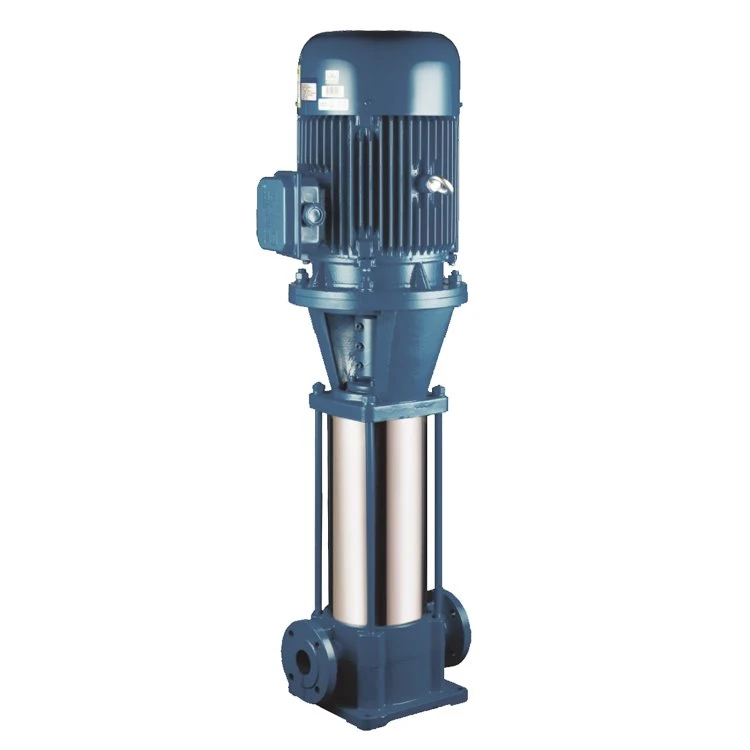
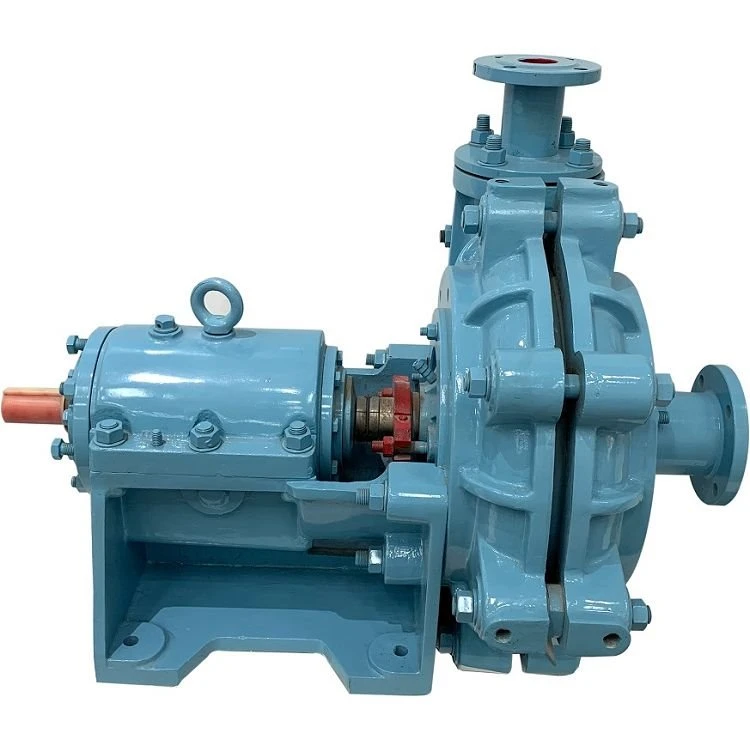
- When space is limited, as it has a compact design.
- For handling corrosive or abrasive fluids, thanks to its material options.
- In high-head applications, where it can generate the necessary pressure.
- When dealing with fluids containing solids or debris, due to its large passageways.
- When ease of maintenance is a priority.
If you're in the market for a pump and think a wet-pit vertical in-line pump might be the right choice for your application, I'd love to talk to you. Whether you're in the wastewater treatment, chemical processing, water supply, or any other industry, I can help you find the perfect pump for your needs. Just reach out, and we can start discussing your specific requirements.
References
- Pump Handbook, Third Edition, by Igor J. Karassik et al.
- Centrifugal Pumps: Design and Application, by Norman P. Cheremisinoff.