Hey there! As a fire pump supplier, I often get asked about what materials are used to make fire pumps. It's a super important question because the materials determine how well the pump will work and how long it'll last in those high - pressure, life - saving situations. So, let's dive right in and explore the different materials that go into making a fire pump.
Cast Iron
Cast iron is one of the most commonly used materials in fire pump construction. It's been around for ages and for good reason. First off, it's really strong. Fire pumps need to be able to handle high pressures, and cast iron can take a beating. When water is being forced through the pump at high speeds to reach those tall buildings or large areas on fire, the pump housing has to withstand a lot of stress, and cast iron does just that.
Another great thing about cast iron is that it's relatively inexpensive. For suppliers like me, this means we can offer fire pumps at a more affordable price to our customers. Whether it's a small business looking to upgrade their fire protection system or a municipality building a new fire station, cost is always a factor. Cast iron helps keep those costs down without sacrificing too much in terms of quality.
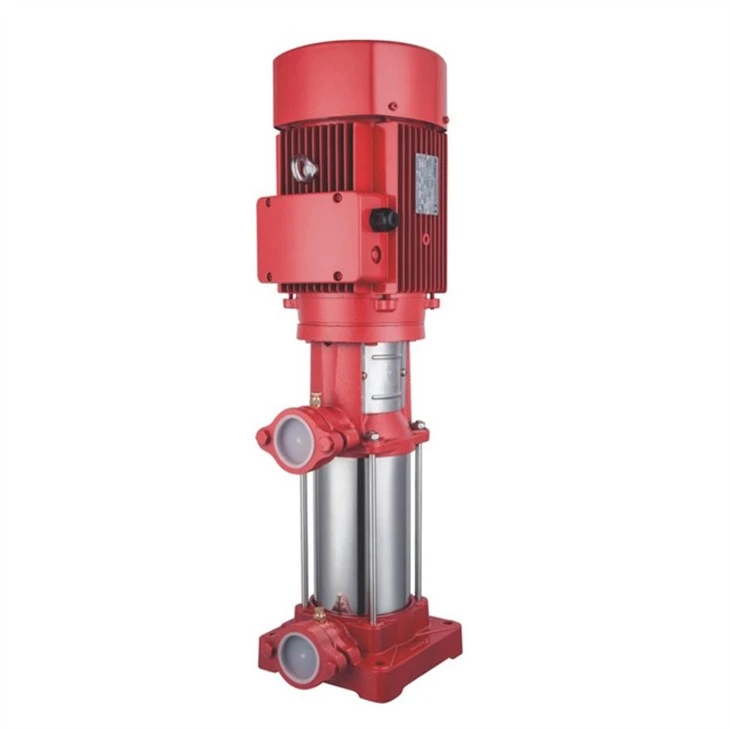
However, cast iron does have its drawbacks. It's heavy, which can make installation a bit of a pain. Also, it's prone to rusting if it's not properly maintained. But if you take good care of a cast - iron fire pump, it can serve you well for many years. You'll find cast iron used in a lot of Centrifugal Fire Pump housings. These pumps use centrifugal force to move water, and the cast - iron housing provides the durability needed to handle the water flow and pressure.
Stainless Steel
Stainless steel is another popular material for fire pumps. It's like the cool, high - tech cousin of cast iron. One of the biggest advantages of stainless steel is its resistance to corrosion. Unlike cast iron, stainless steel won't rust, even if it's exposed to water and moisture for long periods. This makes it ideal for fire pumps that are used in harsh environments, like near the ocean where the air is salty or in industrial areas where there are corrosive chemicals in the air.
Stainless steel is also very strong. It can handle high pressures just as well as cast iron, but it's a bit lighter. This makes it easier to install and transport. When it comes to the internal components of a fire pump, like the impellers, stainless steel is a top choice. The impellers are the parts that spin and move the water, and they need to be strong and corrosion - resistant to work efficiently.
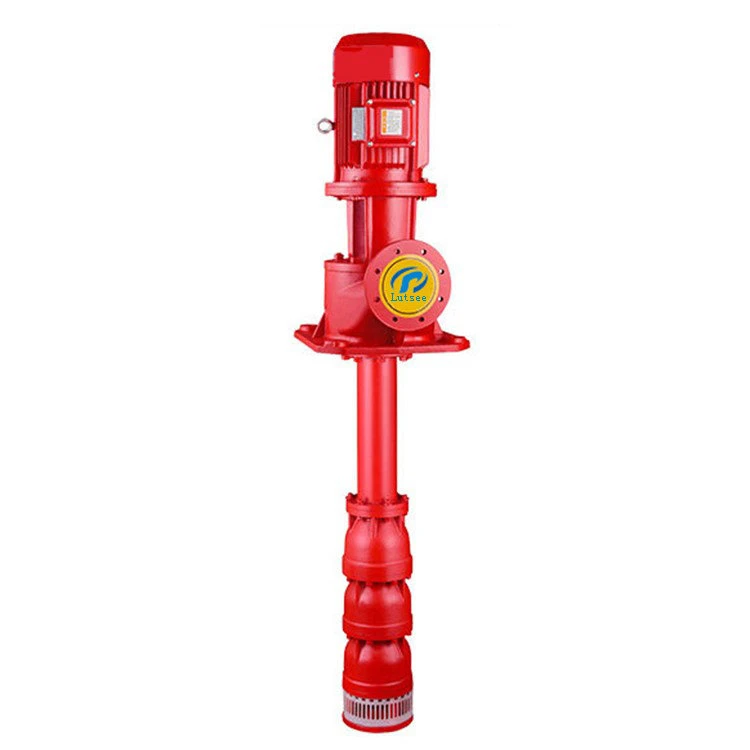
The downside of stainless steel is that it's more expensive than cast iron. This means that fire pumps made with stainless steel will cost more upfront. But in the long run, you might save money on maintenance and replacement costs because of its durability. You can find stainless - steel components in both Centrifugal Fire Pump and Submersible Fire Pump. Submersible fire pumps are designed to be submerged in water, so the corrosion - resistant properties of stainless steel are a huge plus.
Bronze
Bronze is a material that's been used in fire pumps for a long time, especially for the smaller, more delicate parts. It's an alloy made mostly of copper and tin, and it has some great properties. One of the main advantages of bronze is its excellent resistance to wear. The internal parts of a fire pump, like the bearings and bushings, are constantly moving and rubbing against each other. Bronze can handle this wear and tear better than some other materials, which means these parts will last longer.
Bronze also has good corrosion resistance. It's not as good as stainless steel, but it's still better than cast iron. This makes it suitable for use in fire pumps that are exposed to water. Another benefit of bronze is that it's a good conductor of heat. In a fire pump, there can be a lot of friction, which generates heat. Bronze can help dissipate this heat, preventing the pump from overheating.
However, bronze is also relatively expensive. It's not as cost - effective as cast iron, but it's a great choice for those critical components where durability and performance are key. You'll often find bronze used in the valves and fittings of fire pumps. These parts need to be reliable and long - lasting to ensure the proper operation of the pump.
Composite Materials
In recent years, composite materials have started to make their way into fire pump construction. These materials are made by combining different substances to create a material with specific properties. One of the main advantages of composite materials is their light weight. Compared to cast iron or stainless steel, composite materials can significantly reduce the weight of a fire pump. This makes installation and transportation much easier.
Composite materials can also be designed to have high strength and corrosion resistance. They can be tailored to meet the specific needs of a fire pump, whether it's for a particular environment or a specific application. For example, some composite materials can be made to be resistant to chemicals, which is useful in industrial fire protection.
But composite materials also have some limitations. They might not be as strong as metal materials in extreme conditions. Also, the long - term durability of composite materials is still being studied. However, as technology advances, we're likely to see more and more fire pumps using composite materials.
Other Materials
There are also other materials that are used in smaller amounts in fire pumps. For example, rubber is used for gaskets and seals. These rubber components are essential for preventing leaks in the pump. They need to be flexible and able to withstand high pressures and temperatures.
Plastics are also used in some fire pump components. They're often used for things like covers and housings for electrical components. Plastics are lightweight, inexpensive, and can be easily molded into different shapes.
So, there you have it! Those are the main materials that go into making a fire pump. Each material has its own advantages and disadvantages, and the choice of material depends on a variety of factors, such as cost, durability, and the specific application of the pump.
If you're in the market for a fire pump, whether it's a Submersible Fire Pump or a Centrifugal Fire Pump, I'd be more than happy to help you find the right one for your needs. We've got a wide range of fire pumps made from different materials, and we can work with you to figure out which material is best for your situation. Don't hesitate to reach out if you have any questions or if you're ready to start the purchasing process. Let's make sure your fire protection system is top - notch!
References
- "Fire Pump Handbook" by the National Fire Protection Association
- Various industry research papers on fire pump materials and construction