What is the maximum flow rate for a bronze pump impeller?
As a dedicated supplier of bronze pump impellers, I've witnessed firsthand the critical role these components play in the efficiency and performance of pumping systems. One of the most frequently asked questions I encounter is about the maximum flow rate for a bronze pump impeller. In this blog post, I'll delve into the factors that influence this crucial parameter and provide insights to help you understand and optimize your pumping operations.
Understanding the Basics of Pump Impellers
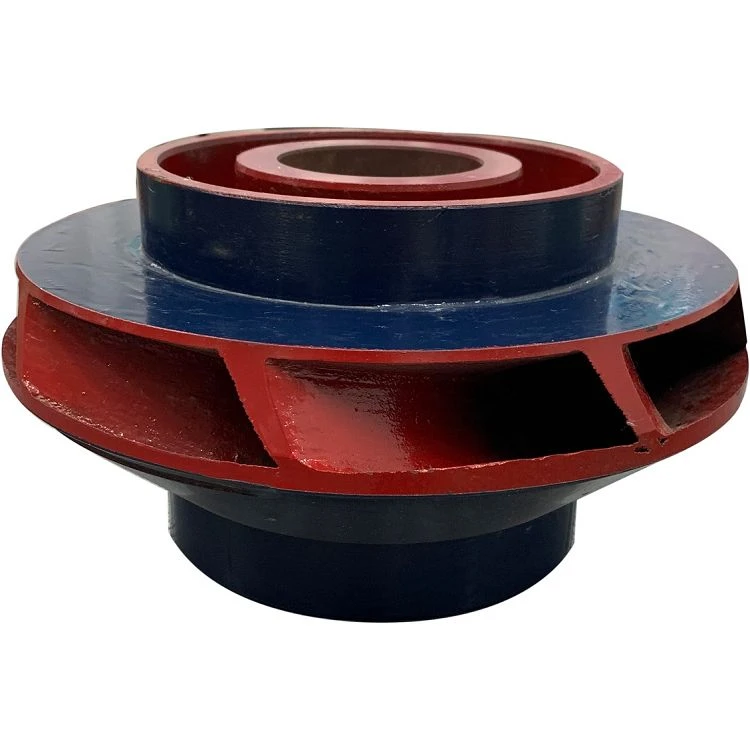
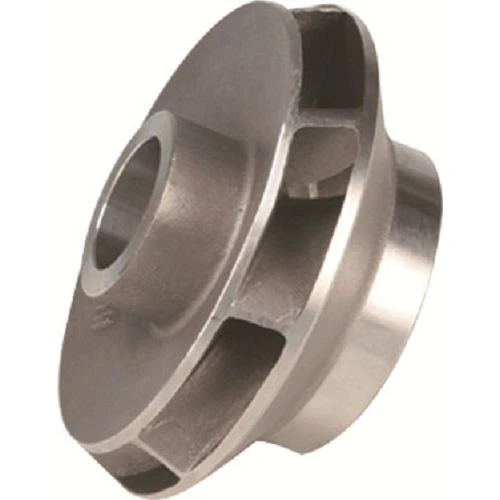
Before we discuss the maximum flow rate, let's briefly review what a pump impeller is and how it works. A pump impeller is a rotating component within a pump that imparts energy to the fluid being pumped. It consists of a series of vanes or blades that are designed to increase the velocity and pressure of the fluid as it passes through the impeller. The shape, size, and number of vanes can vary depending on the specific application and the type of fluid being pumped.
Bronze is a popular material for pump impellers due to its excellent corrosion resistance, high strength, and good wear properties. It is commonly used in applications where the fluid being pumped is corrosive or contains abrasive particles, such as in chemical processing, water treatment, and marine applications.
Factors Affecting the Maximum Flow Rate
The maximum flow rate of a bronze pump impeller is influenced by several factors, including:
- Impeller Design: The design of the impeller, including the shape, size, and number of vanes, plays a significant role in determining the maximum flow rate. A well-designed impeller can efficiently transfer energy to the fluid, resulting in a higher flow rate. For example, an impeller with a larger diameter and more vanes can typically handle a higher flow rate than a smaller impeller with fewer vanes.
- Pump Size and Type: The size and type of the pump also affect the maximum flow rate. Larger pumps generally have a higher flow capacity than smaller pumps. Additionally, different types of pumps, such as centrifugal pumps, positive displacement pumps, and axial flow pumps, have different flow characteristics and maximum flow rates.
- Fluid Properties: The properties of the fluid being pumped, such as viscosity, density, and temperature, can also impact the maximum flow rate. For example, a more viscous fluid will require more energy to pump, which can reduce the maximum flow rate. Similarly, a fluid with a higher density will require more power to move, resulting in a lower flow rate.
- System Resistance: The resistance of the piping system and any other components in the pumping system, such as valves, filters, and fittings, can also affect the maximum flow rate. Higher resistance in the system will require more energy to overcome, which can reduce the flow rate.
Calculating the Maximum Flow Rate
Determining the maximum flow rate for a bronze pump impeller requires a detailed analysis of the specific application and the factors mentioned above. In some cases, the manufacturer of the pump or impeller may provide performance curves or specifications that indicate the maximum flow rate under certain conditions. These curves typically show the relationship between the flow rate, head (pressure), and power consumption of the pump.
In other cases, it may be necessary to perform a hydraulic analysis of the pumping system to calculate the maximum flow rate. This involves considering the fluid properties, system resistance, and the characteristics of the pump and impeller. A hydraulic analysis can be performed using specialized software or by consulting with a qualified engineer.
Optimizing the Flow Rate
To optimize the flow rate of a bronze pump impeller, it's important to consider the following tips:
- Select the Right Impeller: Choose an impeller that is specifically designed for your application and the fluid being pumped. Consider factors such as the impeller design, size, and material to ensure optimal performance.
- Properly Size the Pump: Select a pump that is appropriately sized for your application. A pump that is too small may not be able to handle the required flow rate, while a pump that is too large may be inefficient and waste energy.
- Minimize System Resistance: Reduce the resistance in the piping system by using larger diameter pipes, minimizing the number of bends and fittings, and keeping the pipes clean and free of debris.
- Maintain the Pump and Impeller: Regularly maintain the pump and impeller to ensure optimal performance. This includes inspecting the impeller for wear and damage, cleaning the pump and piping system, and lubricating the bearings and other moving parts.
Comparing Different Materials
While bronze is a popular choice for pump impellers, there are other materials available that may be more suitable for certain applications. Two common alternatives are cast iron and stainless steel.
- Cast Iron Pump Impeller: Cast iron is a cost-effective material that is commonly used in applications where the fluid being pumped is not highly corrosive. It has good strength and wear resistance, but it is more prone to corrosion than bronze.
- Stainless Steel Pump Impeller: Stainless steel is a highly corrosion-resistant material that is suitable for applications where the fluid being pumped is corrosive or contains abrasive particles. It has excellent strength and durability, but it is more expensive than bronze and cast iron.
When choosing a material for your pump impeller, it's important to consider the specific requirements of your application, including the fluid properties, operating conditions, and budget.
Conclusion
The maximum flow rate for a bronze pump impeller is influenced by several factors, including the impeller design, pump size and type, fluid properties, and system resistance. By understanding these factors and taking steps to optimize the flow rate, you can ensure that your pumping system operates efficiently and effectively.
As a supplier of Bronze Pump Impeller, I'm committed to providing high-quality products and expert advice to help you choose the right impeller for your application. If you have any questions or need assistance in selecting a pump impeller, please don't hesitate to contact me. I'd be happy to discuss your requirements and provide you with a customized solution.
References
- Streeter, V. L., & Wylie, E. B. (1979). Fluid Mechanics. McGraw-Hill.
- Idelchik, I. E. (1994). Handbook of Hydraulic Resistance. CRC Press.
- Karassik, I. J., Messina, J. P., Cooper, P. T., & Heald, C. C. (2008). Pump Handbook. McGraw-Hill.