Hey there! As a supplier of centrifugal pumps, I've seen firsthand the importance of starting and stopping these machines properly. In this blog post, I'll share some tips and tricks on how to do just that, so you can keep your pumps running smoothly and avoid costly breakdowns.
Why Proper Start and Stop Procedures Matter
Before we dive into the details of how to start and stop a centrifugal pump, let's talk about why it's so important to follow the right procedures. When you start a pump, you're essentially asking it to go from a standstill to full speed in a matter of seconds. This sudden change in speed can put a lot of stress on the pump's components, including the impeller, shaft, and bearings. If you don't start the pump properly, you could damage these components and shorten the pump's lifespan.
Similarly, when you stop a pump, you need to do it in a way that allows the pump to gradually slow down and come to a stop. If you stop the pump too suddenly, you could create a water hammer effect, which can cause damage to the pump and the piping system.
Starting a Centrifugal Pump
Now that we understand why proper start procedures are important, let's talk about how to start a centrifugal pump. Here are the steps you should follow:
Step 1: Check the Pump and Piping System
Before you start the pump, you need to make sure that the pump and the piping system are in good working condition. Check for any leaks, loose connections, or damaged components. Make sure that the pump is properly aligned and that the coupling is tightened.
Step 2: Prime the Pump
Most centrifugal pumps need to be primed before they can start. Priming involves filling the pump and the suction line with liquid to remove any air or gas. To prime the pump, you can use a priming pump or a vacuum pump. Make sure that the liquid level in the pump is above the impeller.
Step 3: Open the Discharge Valve
Once the pump is primed, you need to open the discharge valve. This will allow the liquid to flow out of the pump and into the piping system. Make sure that the discharge valve is fully open before you start the pump.
Step 4: Start the Pump
Now it's time to start the pump. Turn on the power switch and wait for the pump to reach its full speed. You should hear the pump running smoothly and see the liquid flowing out of the discharge valve.
Step 5: Check the Pump Performance
Once the pump is running, you need to check its performance. Check the pressure gauge to make sure that the pump is generating the correct pressure. Check the flow meter to make sure that the pump is delivering the correct flow rate. If you notice any problems, stop the pump immediately and investigate the cause.
Stopping a Centrifugal Pump
Now that we know how to start a centrifugal pump, let's talk about how to stop it. Here are the steps you should follow:
Step 1: Close the Discharge Valve
Before you stop the pump, you need to close the discharge valve. This will prevent the liquid from flowing back into the pump and causing damage. Make sure that the discharge valve is fully closed before you stop the pump.
Step 2: Stop the Pump
Once the discharge valve is closed, you can stop the pump. Turn off the power switch and wait for the pump to come to a stop. You should hear the pump slowing down and eventually stopping.
Step 3: Drain the Pump
After the pump has stopped, you need to drain it to prevent any damage from freezing or corrosion. Open the drain valve and let the liquid drain out of the pump. Make sure that the pump is completely drained before you store it.
Tips and Tricks
Here are some additional tips and tricks to help you start and stop your centrifugal pump properly:
- Use a Soft Starter: A soft starter can help to reduce the stress on the pump's components when starting and stopping the pump. It gradually increases or decreases the voltage to the pump, which allows the pump to start and stop more smoothly.
- Follow the Manufacturer's Instructions: Every centrifugal pump is different, so it's important to follow the manufacturer's instructions when starting and stopping the pump. The manufacturer's instructions will provide you with specific information on how to prime the pump, start the pump, and stop the pump.
- Maintain the Pump Regularly: Regular maintenance is essential to keep your centrifugal pump running smoothly. Make sure that you clean the pump regularly, replace the worn-out components, and lubricate the bearings.
Conclusion
Starting and stopping a centrifugal pump properly is essential to keep the pump running smoothly and avoid costly breakdowns. By following the steps outlined in this blog post and using the tips and tricks provided, you can ensure that your centrifugal pump is started and stopped safely and efficiently.
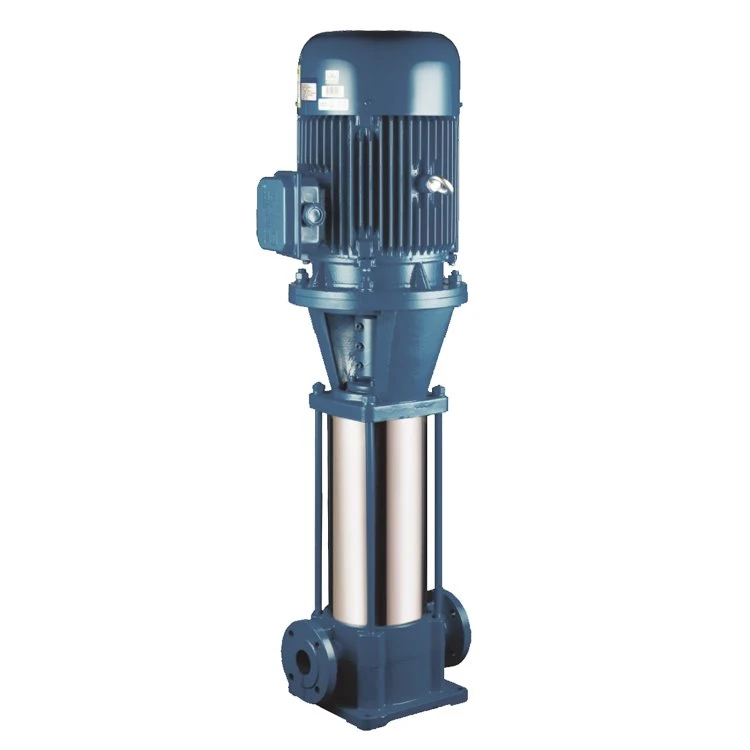
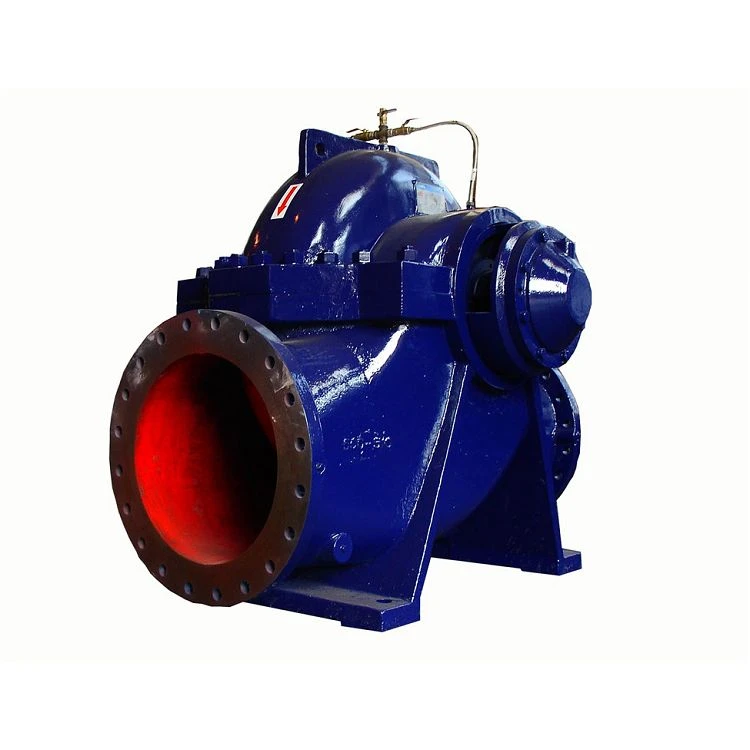
If you're in the market for a centrifugal pump, we offer a wide range of pumps to meet your needs, including Single Stage Double-Suction Centrifugal Pump, Vertical Multistage Pump, and Slurry Pump. Contact us today to learn more about our products and services and to discuss your specific requirements. We're here to help you find the right pump for your application and to ensure that it's installed and maintained properly.
References
- Pump Handbook, Karassik et al.
- Centrifugal Pump Operation and Maintenance Manuals from various manufacturers.