As a seasoned supplier in the pump discharge industry, I've witnessed firsthand the critical role that pump discharge plays in various applications. From industrial processes to water treatment facilities, the proper functioning of pump discharge systems is essential for ensuring efficiency, reliability, and safety. In this blog post, I'll delve into the normal range of pump discharge, exploring the factors that influence it and the implications for different industries.
Understanding Pump Discharge
Before we dive into the normal range of pump discharge, let's first understand what it means. Pump discharge refers to the flow of fluid that is expelled from a pump. It is typically measured in terms of volume per unit time, such as gallons per minute (GPM) or liters per second (L/s). The pump discharge rate is determined by several factors, including the pump's design, the type of fluid being pumped, the system's pressure requirements, and the operating conditions.
Factors Affecting Pump Discharge
Several factors can influence the normal range of pump discharge. Understanding these factors is crucial for selecting the right pump for a specific application and ensuring optimal performance. Here are some of the key factors to consider:
- Pump Design: The design of the pump, including its impeller size, shape, and speed, plays a significant role in determining the pump discharge rate. Different pump designs are optimized for different flow rates and pressure requirements. For example, centrifugal pumps are commonly used for high-flow, low-pressure applications, while positive displacement pumps are better suited for low-flow, high-pressure applications.
- Fluid Properties: The properties of the fluid being pumped, such as its viscosity, density, and temperature, can also affect the pump discharge rate. Viscous fluids, for example, require more energy to pump and may result in lower flow rates compared to less viscous fluids. Similarly, fluids with high densities or temperatures may require pumps with higher power ratings to achieve the desired flow rate.
- System Pressure: The pressure requirements of the system in which the pump is operating can also impact the pump discharge rate. Pumps are designed to operate within a specific pressure range, and if the system pressure exceeds this range, the pump may experience reduced flow rates or even fail to operate properly. It is important to select a pump that can handle the system pressure requirements to ensure optimal performance.
- Operating Conditions: The operating conditions, such as the altitude, temperature, and humidity, can also affect the pump discharge rate. For example, operating a pump at high altitudes may result in reduced atmospheric pressure, which can affect the pump's performance. Similarly, extreme temperatures or humidity levels can also impact the pump's efficiency and reliability.
Normal Range of Pump Discharge
The normal range of pump discharge can vary depending on the application and the specific pump being used. In general, the normal range of pump discharge for most industrial applications falls between 1 and 1000 GPM (or 0.06 and 63.1 L/s). However, this range can be significantly higher or lower depending on the specific requirements of the application.
For example, in water treatment plants, pumps are commonly used to transfer large volumes of water at relatively low pressures. The normal range of pump discharge for these applications can range from 100 to 10,000 GPM (or 6.3 to 631 L/s). On the other hand, in chemical processing industries, pumps are often used to transfer small volumes of highly viscous or corrosive fluids at high pressures. The normal range of pump discharge for these applications can range from 0.1 to 100 GPM (or 0.006 to 6.3 L/s).
It is important to note that the normal range of pump discharge is not a fixed value and can vary depending on the specific operating conditions and requirements of the application. Therefore, it is essential to consult with a pump manufacturer or a qualified engineer to determine the appropriate pump discharge rate for your specific application.
Implications for Different Industries
The normal range of pump discharge has significant implications for different industries. Here are some examples of how the normal range of pump discharge can impact various industries:
- Water Treatment: In water treatment plants, pumps are used to transfer large volumes of water from one location to another. The normal range of pump discharge for these applications is typically high, ranging from 100 to 10,000 GPM (or 6.3 to 631 L/s). Ensuring that the pumps are operating within the normal range of pump discharge is crucial for maintaining the efficiency and reliability of the water treatment process.
- Chemical Processing: In chemical processing industries, pumps are used to transfer small volumes of highly viscous or corrosive fluids at high pressures. The normal range of pump discharge for these applications is typically low, ranging from 0.1 to 100 GPM (or 0.006 to 6.3 L/s). Selecting the right pump for these applications is essential to ensure the safe and efficient transfer of chemicals.
- Oil and Gas: In the oil and gas industry, pumps are used for a variety of applications, including oil and gas production, refining, and transportation. The normal range of pump discharge for these applications can vary widely depending on the specific process and the type of fluid being pumped. For example, pumps used in oil production may have flow rates ranging from a few GPM to several thousand GPM, while pumps used in refining processes may have lower flow rates but higher pressure requirements.
- Power Generation: In power generation plants, pumps are used to transfer water, steam, and other fluids for cooling, boiler feed, and other processes. The normal range of pump discharge for these applications can vary depending on the size and type of the power plant. For example, large power plants may require pumps with flow rates ranging from several thousand GPM to tens of thousands of GPM.
Choosing the Right Pump Discharge
Choosing the right pump discharge for your specific application is essential to ensure optimal performance and efficiency. Here are some tips to help you choose the right pump discharge:
- Understand Your Application: Before selecting a pump, it is important to understand the specific requirements of your application, including the flow rate, pressure, and fluid properties. This will help you determine the type of pump and the appropriate pump discharge rate for your application.
- Consult with a Professional: If you are unsure about which pump discharge rate is right for your application, it is recommended to consult with a pump manufacturer or a qualified engineer. They can provide you with expert advice and help you select the right pump for your specific needs.
- Consider the Future: When selecting a pump, it is important to consider the future needs of your application. If you anticipate an increase in flow rate or pressure requirements in the future, it may be wise to select a pump with a higher capacity to accommodate these changes.
- Evaluate the Cost: The cost of the pump and its installation is also an important factor to consider. While it is important to select a pump that meets your performance requirements, it is also important to consider the cost-effectiveness of the pump over its lifetime.
Our Pump Discharge Products
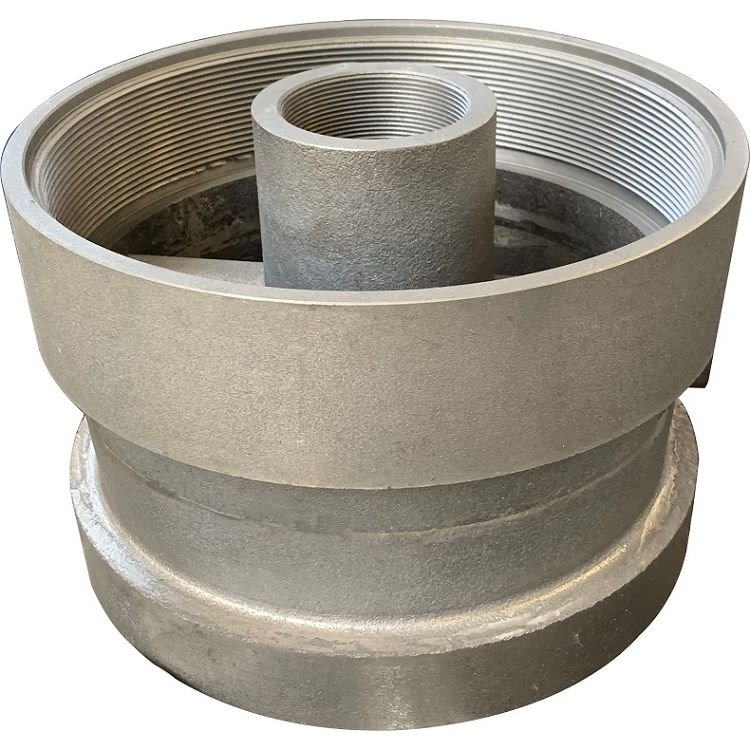
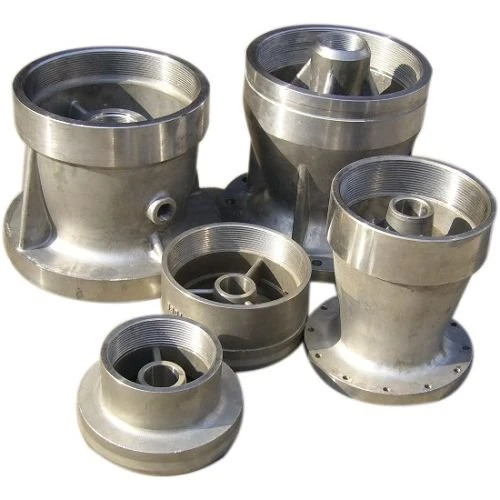
As a leading supplier of pump discharge products, we offer a wide range of high-quality pump discharge solutions to meet the needs of various industries. Our products include Stainless Steel Pump Discharge and Cast Iron Pump Discharge, which are designed to provide reliable and efficient performance in a variety of applications.
Our stainless steel pump discharge products are made from high-quality stainless steel materials, which offer excellent corrosion resistance and durability. They are suitable for use in applications where the fluid being pumped is corrosive or where a high level of hygiene is required. Our cast iron pump discharge products, on the other hand, are made from cast iron materials, which offer high strength and durability. They are suitable for use in applications where the fluid being pumped is non-corrosive and where a high level of reliability is required.
Contact Us for Pump Discharge Solutions
If you are in need of pump discharge solutions for your specific application, we invite you to contact us to discuss your requirements. Our team of experienced professionals can provide you with expert advice and help you select the right pump discharge products for your needs. We are committed to providing our customers with high-quality products and excellent customer service, and we look forward to working with you to meet your pump discharge needs.
References
- Pump Handbook, 4th Edition, by Igor J. Karassik, Joseph P. Messina, Paul Cooper, and Charles C. Heald.
- Centrifugal Pumps: Design and Application, 2nd Edition, by Michael S. Bernhardt.
- Positive Displacement Pumps: Types and Applications, by David A. Brown.