As a centrifugal pump supplier, I often get asked about the Net Positive Suction Head Available (NPSHa) for centrifugal pumps. It's a crucial concept that can significantly impact the performance and lifespan of these pumps. So, let's dive into what NPSHa is and how we can ensure it's at the right level.
What is NPSH Available?
First off, let's break down what NPSHa means. NPSHa is the measure of the pressure available at the suction port of a centrifugal pump to prevent cavitation. Cavitation is like a nightmare for centrifugal pumps. It happens when the pressure at the suction side drops below the vapor pressure of the liquid being pumped. When this occurs, vapor bubbles form in the liquid. As these bubbles move to higher-pressure areas within the pump, they collapse suddenly. This collapse creates shockwaves that can damage the pump's impeller, casing, and other internal components over time.
To calculate NPSHa, we consider several factors. The atmospheric pressure at the pump's location is a starting point. If the pump is in a place with high altitude, the atmospheric pressure will be lower, which can reduce the NPSHa. The elevation of the liquid source relative to the pump is also important. If the liquid is above the pump (a positive suction head), it adds to the NPSHa. Conversely, if the liquid is below the pump (a negative suction head), it subtracts from the NPSHa.
The friction losses in the suction piping are another factor. As the liquid flows through the pipes, it encounters resistance, which causes a pressure drop. The length, diameter, and roughness of the pipes, as well as the flow rate, all affect these friction losses. And don't forget about the vapor pressure of the liquid. Different liquids have different vapor pressures, and as the temperature of the liquid increases, its vapor pressure also goes up, reducing the NPSHa.
Why is NPSH Available Important?
Now, you might be wondering why NPSHa is such a big deal. Well, as I mentioned earlier, cavitation can cause serious damage to the pump. It can lead to pitting and erosion of the impeller, which not only reduces the pump's efficiency but also shortens its lifespan. Cavitation can also cause noise and vibration in the pump, which can be a sign of trouble. If left unchecked, it can even lead to complete pump failure.
Proper NPSHa also ensures that the pump can operate at its best. When the NPSHa is sufficient, the pump can maintain a stable flow rate and pressure, which is essential for many applications. Whether it's in a water treatment plant, an industrial process, or a building's HVAC system, a well - performing pump is crucial for the overall operation.
How to Ensure Sufficient NPSH Available
As a centrifugal pump supplier, I've got some tips on how to ensure that the NPSHa is sufficient for your pump.
Location and Elevation
One of the simplest ways is to consider the pump's location and the elevation of the liquid source. If possible, place the pump below the liquid source. This creates a positive suction head, which increases the NPSHa. For example, in a water storage tank system, installing the pump at a lower level than the tank can help ensure that there's enough pressure at the suction port.
Suction Piping Design
The design of the suction piping is also crucial. Use larger - diameter pipes to reduce friction losses. A larger pipe allows the liquid to flow more freely, resulting in less pressure drop. Keep the suction piping as short as possible and minimize the number of bends and fittings. Each bend and fitting adds to the friction losses, so a straight and simple piping layout is ideal.
Regularly check the suction piping for any blockages or restrictions. Debris, such as dirt, leaves, or sediment, can accumulate in the pipes and reduce the flow area, increasing the friction losses and reducing the NPSHa.
Liquid Temperature Control
If you're dealing with a liquid that has a high vapor pressure or is prone to temperature changes, try to control the liquid temperature. For example, in an industrial process where hot water is being pumped, use a heat exchanger to cool the water before it reaches the pump. This lowers the vapor pressure of the liquid, increasing the NPSHa.
Pump Selection
When choosing a centrifugal pump, make sure to select one that has a lower Net Positive Suction Head Required (NPSHr). The NPSHr is the minimum NPSH that the pump needs to operate without cavitation. Different pumps have different NPSHr values, and choosing a pump with a lower NPSHr gives you more margin for error in terms of the available NPSH.
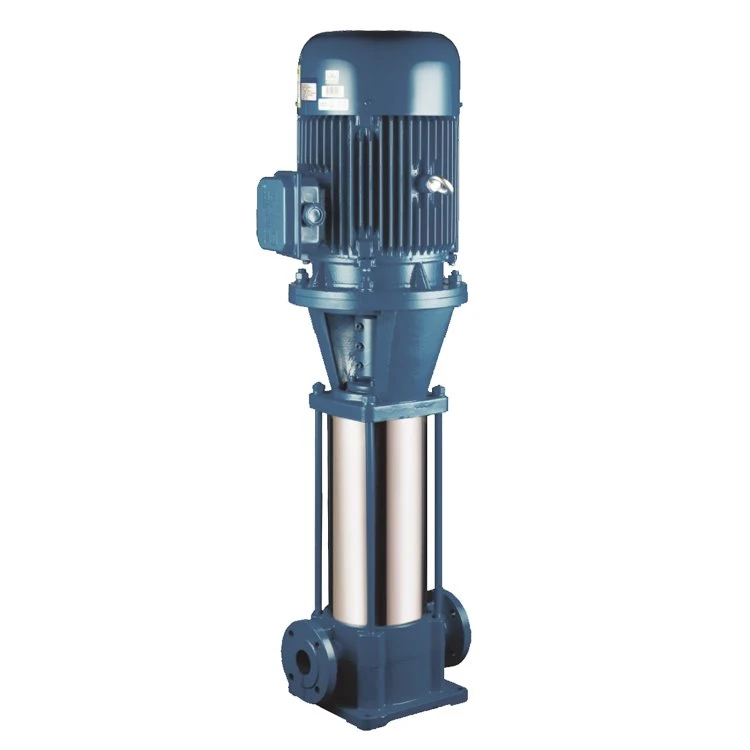
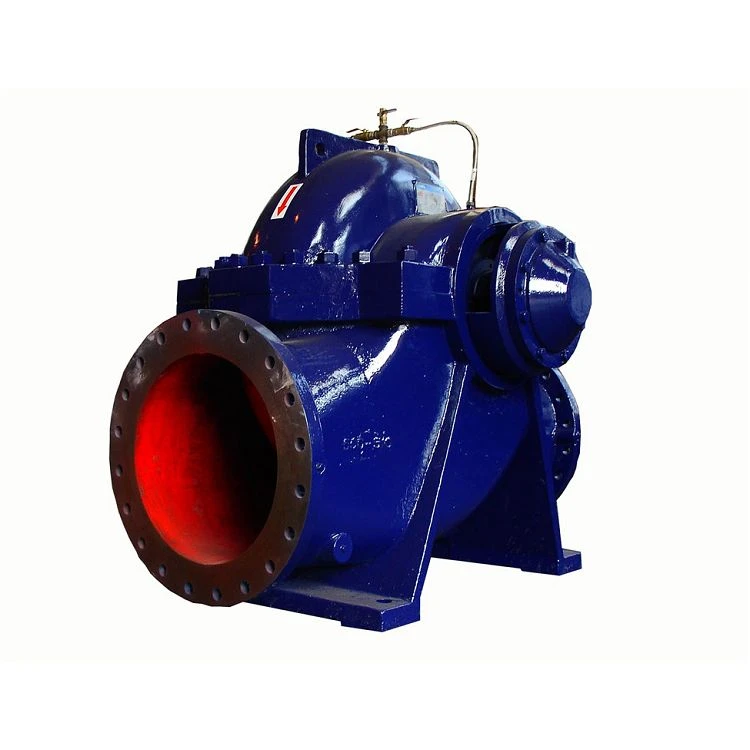
At our company, we offer a wide range of centrifugal pumps, including Vertical Multistage Pump, Single Stage Double - Suction Centrifugal Pump, and Vertical In Line Pump. These pumps are designed with different NPSHr values to suit various applications and NPSHa conditions.
Monitoring and Maintenance
Once the pump is installed and running, it's important to monitor the NPSHa regularly. Use pressure gauges at the suction port to measure the pressure and calculate the NPSHa. If you notice any changes in the pressure or if the pump starts to make unusual noises or vibrations, it could be a sign of low NPSHa or cavitation.
Regular maintenance of the pump is also essential. Inspect the impeller and other internal components for signs of damage. Replace any worn - out parts promptly to keep the pump running smoothly.
Conclusion
In conclusion, ensuring sufficient NPSHa is crucial for the proper operation and longevity of centrifugal pumps. By considering factors such as location, suction piping design, liquid temperature, and pump selection, you can help prevent cavitation and keep your pump in top shape.
If you're in the market for a centrifugal pump or need more advice on NPSHa and pump operation, don't hesitate to reach out. We're here to help you find the right pump for your needs and ensure that it operates at its best.
References
- "Centrifugal Pumps: Design and Application" by Igor J. Karassik et al.
- "Pump Handbook" by Karassik, Messina, Cooper, and Heald.