Hey there! As a supplier of pump casting, I often get asked about different testing methods, and one that comes up a lot is dye penetrant testing. So, let's dive into what the principle of dye penetrant testing in pump casting is all about.
Understanding Pump Casting
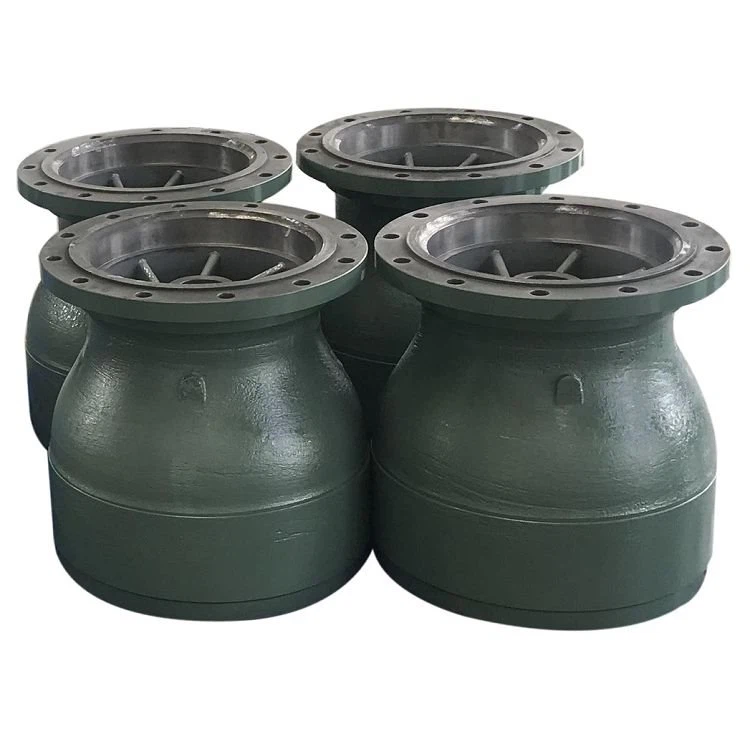
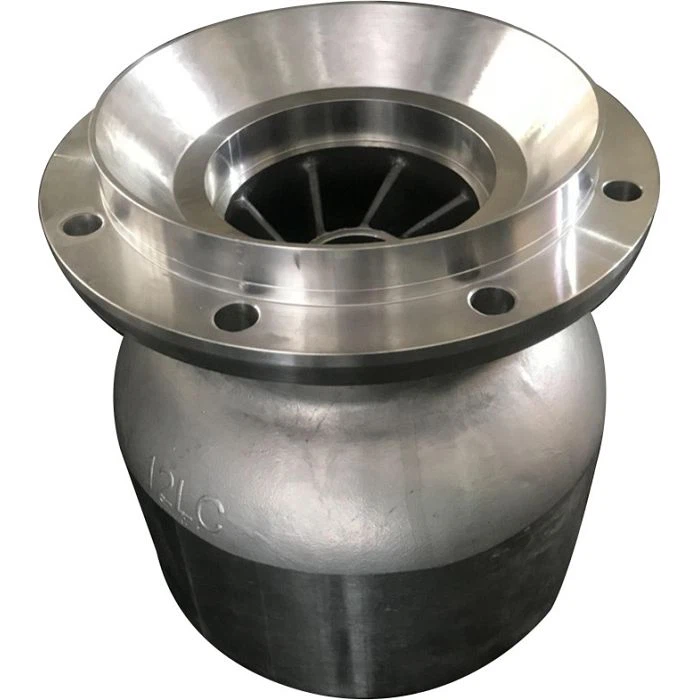
First off, let's talk a bit about pump casting. We deal with various types of pump casings, including Ductile Iron Casting, Cast Iron Casting, and Stainless Steel Pump Casting. Each type has its own unique properties and uses, but they all need to be of high quality to ensure the proper functioning of the pumps they're used in.
Pump castings are used in a wide range of industries, from water treatment to oil and gas. They need to be able to withstand high pressures, corrosive environments, and constant use. That's why it's crucial to have a reliable way to detect any surface defects that could compromise the performance of the casting.
What is Dye Penetrant Testing?
Dye penetrant testing, also known as liquid penetrant testing, is a non-destructive testing method used to detect surface-breaking defects in materials. It's a relatively simple and cost-effective way to find cracks, porosity, laps, and other surface flaws in pump castings.
The basic principle behind dye penetrant testing is pretty straightforward. You apply a liquid penetrant to the surface of the casting, and the penetrant seeps into any surface-breaking defects. After a certain amount of time, you remove the excess penetrant from the surface and apply a developer. The developer draws the penetrant out of the defects, making them visible as bright, colored indications on the surface of the casting.
The Steps of Dye Penetrant Testing
Let's break down the process of dye penetrant testing into its individual steps:
Step 1: Pre-cleaning
Before you can apply the penetrant, you need to make sure the surface of the casting is clean and free of any dirt, oil, grease, or other contaminants. This is usually done using a solvent cleaner or a degreaser. You want to make sure the surface is completely dry before moving on to the next step.
Step 2: Application of the Penetrant
Once the surface is clean and dry, you apply the penetrant to the area you want to test. You can do this by spraying, brushing, or dipping the casting in the penetrant. The penetrant needs to be left on the surface for a certain amount of time, called the dwell time. The dwell time depends on the type of penetrant you're using, the size of the defects you're looking for, and the material of the casting. Usually, the dwell time ranges from 5 to 60 minutes.
Step 3: Removal of Excess Penetrant
After the dwell time is up, you need to remove the excess penetrant from the surface of the casting. This is done using a solvent cleaner or a water rinse, depending on the type of penetrant you're using. You need to be careful not to remove the penetrant that has seeped into the defects.
Step 4: Application of the Developer
Once the excess penetrant has been removed, you apply the developer to the surface of the casting. The developer is usually a white powder that is sprayed or brushed onto the surface. The developer works by drawing the penetrant out of the defects and making them visible as bright, colored indications on the surface of the casting.
Step 5: Inspection
After the developer has been applied, you need to inspect the surface of the casting for any indications of defects. You can do this visually, using a magnifying glass or a UV light, depending on the type of penetrant you're using. Any indications of defects should be marked and evaluated to determine their size, location, and severity.
Step 6: Post-cleaning
Once the inspection is complete, you need to clean the surface of the casting to remove the penetrant and the developer. This is usually done using a solvent cleaner or a water rinse.
Advantages of Dye Penetrant Testing
There are several advantages to using dye penetrant testing in pump casting:
- High sensitivity: Dye penetrant testing can detect very small surface-breaking defects, down to a few microns in size.
- Versatility: It can be used on a wide range of materials, including metals, plastics, ceramics, and composites.
- Cost-effective: It's a relatively simple and inexpensive testing method compared to other non-destructive testing methods.
- Easy to use: The equipment and materials needed for dye penetrant testing are readily available and easy to use.
Limitations of Dye Penetrant Testing
Of course, like any testing method, dye penetrant testing has its limitations:
- Surface defects only: It can only detect surface-breaking defects. It can't detect internal defects that don't break the surface.
- Cleanliness required: The surface of the casting needs to be clean and free of contaminants for the test to be effective.
- Skilled operator needed: The interpretation of the test results requires a skilled operator who is familiar with the method and the types of defects that can be detected.
- Time-consuming: The process of dye penetrant testing can be time-consuming, especially if you're testing a large area or a complex casting.
Importance of Dye Penetrant Testing in Pump Casting
As a pump casting supplier, we take the quality of our products very seriously. Dye penetrant testing is an important part of our quality control process. By using this method, we can ensure that our pump castings are free of surface defects that could cause problems down the line.
For example, a crack in a pump casing could lead to leaks, which could cause damage to the pump and the surrounding equipment. By detecting and repairing these cracks before the casting is installed, we can save our customers time and money.
In addition, dye penetrant testing helps us to meet the strict quality standards of our customers. Many industries have specific requirements for the quality of pump castings, and dye penetrant testing is often one of the tests that are required to meet these standards.
Conclusion
So, there you have it! That's the principle of dye penetrant testing in pump casting. It's a simple but effective way to detect surface-breaking defects in pump castings and ensure their quality and reliability.
If you're in the market for high-quality pump castings, we'd love to hear from you. Whether you need Ductile Iron Casting, Cast Iron Casting, or Stainless Steel Pump Casting, we have the expertise and the technology to meet your needs. Contact us today to discuss your requirements and get a quote.
References
- ASNT Recommended Practice No. SNT-TC-1A, Personnel Qualification and Certification in Nondestructive Testing
- ASTM E165, Standard Practice for Liquid Penetrant Examination
- ISO 3452-1, Non-destructive testing — Penetrant testing — Part 1: General principles