As a seasoned fire pump supplier, I've witnessed firsthand the critical role that fire pumps play in safeguarding lives and property. A fire pump is not just a piece of equipment; it's a cornerstone of any effective fire protection system. In this blog, I'll delve into the protection system of a fire pump, exploring its components, functions, and the importance of regular maintenance.
The Basics of a Fire Pump
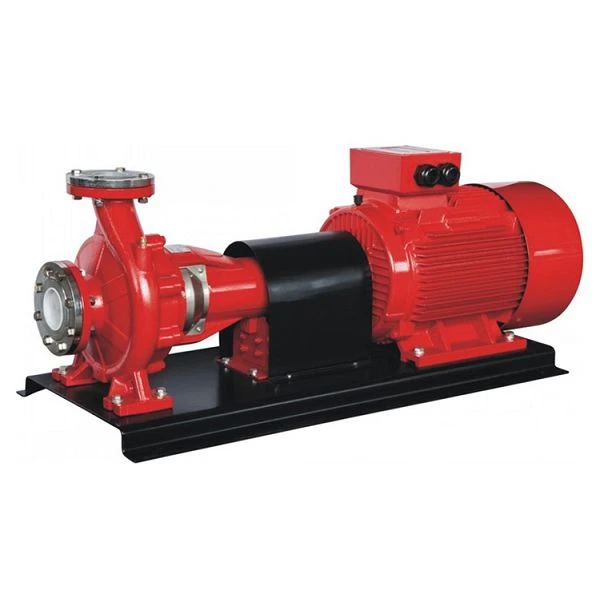
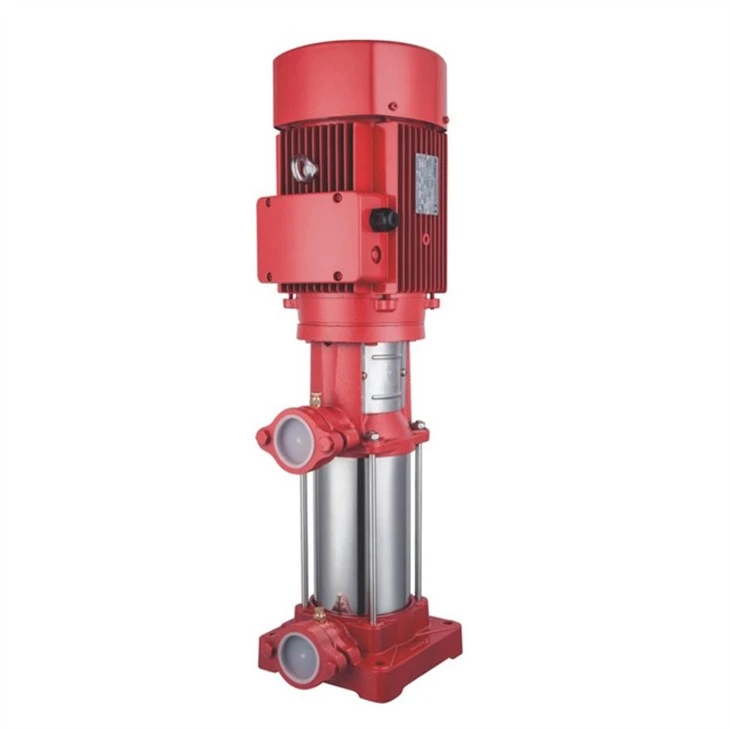
Before we dive into the protection system, let's briefly understand what a fire pump is. A fire pump is a device that increases the pressure of water in a fire protection system. It ensures that an adequate supply of water is delivered to the sprinklers or fire hydrants at the required pressure to suppress a fire effectively. There are different types of fire pumps, including Centrifugal Fire Pump and Submersible Fire Pump. Centrifugal fire pumps are the most common type, using centrifugal force to increase the water pressure. Submersible fire pumps, on the other hand, are designed to be submerged in water and are often used in applications where a high volume of water is required.
Components of a Fire Pump Protection System
A fire pump protection system consists of several key components, each playing a crucial role in ensuring the pump's reliable operation.
Power Supply
The power supply is the heart of the fire pump protection system. It provides the energy needed to drive the pump. Most fire pumps are powered by electricity, but they can also be driven by diesel engines or steam turbines. A reliable power supply is essential to ensure that the pump can start and operate immediately in the event of a fire. To ensure continuous power, many fire pump systems are equipped with backup power sources, such as emergency generators or uninterruptible power supplies (UPS).
Control Panel
The control panel is the brain of the fire pump system. It monitors the pump's operation, controls its start and stop functions, and provides diagnostic information. The control panel is typically equipped with sensors that detect changes in pressure, flow rate, and temperature. If any of these parameters fall outside the normal range, the control panel will trigger an alarm and may automatically shut down the pump to prevent damage.
Pressure Relief Valve
A pressure relief valve is a safety device that protects the fire pump and the piping system from overpressure. It is designed to open when the pressure in the system exceeds a predetermined limit, allowing excess water to escape and preventing damage to the pump and other components. The pressure relief valve should be regularly inspected and tested to ensure that it is functioning properly.
Suction Strainer
The suction strainer is located at the inlet of the fire pump and is designed to prevent debris and foreign objects from entering the pump. It helps to protect the pump from damage and ensures its efficient operation. The suction strainer should be cleaned regularly to prevent clogging, which can reduce the pump's performance.
Check Valve
A check valve is a one-way valve that allows water to flow in only one direction. It is installed in the discharge line of the fire pump to prevent backflow of water when the pump is not operating. The check valve helps to maintain the pressure in the system and prevents the pump from being damaged by reverse flow.
Functions of a Fire Pump Protection System
The primary function of a fire pump protection system is to ensure the reliable operation of the fire pump in the event of a fire. Here are some of the key functions:
Automatic Start
The fire pump protection system is designed to automatically start the pump when a fire is detected. This is typically triggered by a signal from a fire alarm system or a pressure switch. The automatic start function ensures that the pump can begin supplying water to the fire protection system immediately, minimizing the time it takes to suppress the fire.
Pressure Maintenance
The fire pump protection system maintains the pressure in the fire protection system at the required level. This is essential to ensure that the sprinklers or fire hydrants can deliver an adequate supply of water to extinguish the fire. The control panel continuously monitors the pressure and adjusts the pump's speed or output to maintain the desired pressure.
Overload Protection
The fire pump protection system protects the pump from overload. It monitors the pump's current and temperature and will automatically shut down the pump if it detects an overload condition. This helps to prevent damage to the pump motor and other components and ensures the long-term reliability of the system.
Diagnostic and Monitoring
The control panel provides diagnostic and monitoring capabilities, allowing operators to monitor the pump's performance and detect potential problems before they cause a failure. It can display information such as pressure, flow rate, temperature, and pump status. This information can be used to schedule maintenance and repairs, ensuring that the pump is always in good working condition.
Importance of Regular Maintenance
Regular maintenance is essential to ensure the reliable operation of the fire pump protection system. Here are some of the reasons why:
Safety
A well-maintained fire pump protection system is essential for the safety of occupants and property. In the event of a fire, a properly functioning fire pump can make the difference between a minor incident and a major disaster. Regular maintenance helps to ensure that the pump will start and operate reliably when needed.
Compliance
Most building codes and fire safety regulations require that fire pump systems be regularly inspected and maintained. Failure to comply with these requirements can result in fines, penalties, and even the closure of the building. Regular maintenance helps to ensure that your fire pump system meets all the necessary safety standards and regulations.
Longevity
Regular maintenance can extend the life of the fire pump and its components. By replacing worn parts, lubricating moving components, and cleaning the system, you can prevent premature wear and tear and ensure that the pump operates efficiently for many years.
Cost Savings
Proper maintenance can help to reduce the cost of operating the fire pump system. By detecting and fixing problems early, you can prevent major breakdowns and costly repairs. Additionally, a well-maintained pump will operate more efficiently, reducing energy consumption and saving on operating costs.
How to Choose the Right Fire Pump Protection System
When choosing a fire pump protection system, there are several factors to consider.
Pump Capacity
The pump capacity is determined by the size of the building, the type of fire protection system, and the required flow rate and pressure. It is important to choose a pump with a capacity that is sufficient to meet the demands of the fire protection system.
Power Source
As mentioned earlier, fire pumps can be powered by electricity, diesel engines, or steam turbines. The choice of power source depends on several factors, including the availability of power, the reliability of the power grid, and the specific requirements of the application.
Control System
The control system is an important part of the fire pump protection system. It should be easy to operate, provide accurate diagnostic information, and be compatible with the other components of the system.
Maintenance Requirements
Different fire pump protection systems have different maintenance requirements. It is important to choose a system that is easy to maintain and that comes with a comprehensive maintenance plan.
Contact Us for Your Fire Pump Needs
If you are in the market for a fire pump or need assistance with your existing fire pump protection system, we are here to help. As a leading fire pump supplier, we offer a wide range of high-quality fire pumps and related products. Our experienced team of engineers and technicians can provide you with expert advice, installation services, and ongoing maintenance and support.
Whether you need a Centrifugal Fire Pump for a commercial building or a Submersible Fire Pump for a industrial application, we have the solution for you. Contact us today to discuss your fire pump requirements and let us help you find the perfect protection system for your needs.
References
- NFPA 20: Standard for the Installation of Stationary Pumps for Fire Protection
- FM Global Data Sheets: Fire Pumps and Related Equipment
- UL 448: Standard for Fire Pump Controllers