Hey there! As a supplier of pump discharges, I often get asked, "What is the pump discharge for an oil refinery?" Well, let's dive right into it and break it down in a way that's easy to understand.
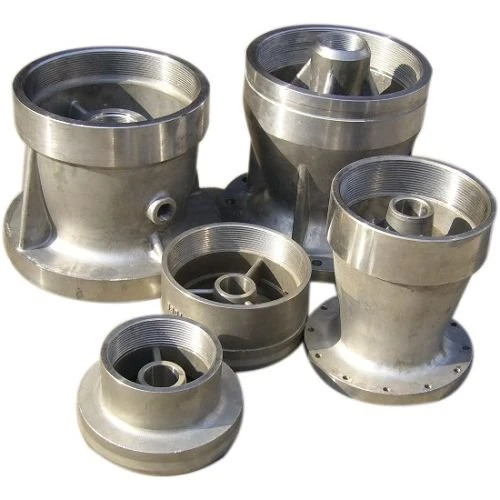
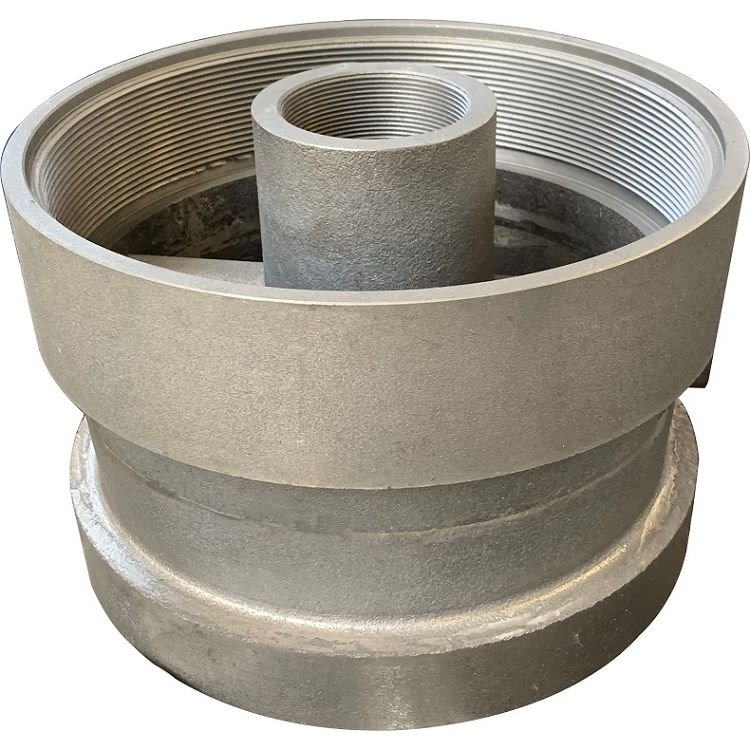
First off, a pump discharge in an oil refinery is a crucial component. It's the part of the pump system that's responsible for getting the processed fluids out of the pump and into the next stage of the refining process. Think of it as the exit door for all the stuff that's been through the pump. It's where the magic happens, and the refined products start their journey to where they're needed.
In an oil refinery, there are all sorts of fluids that pass through the pumps. You've got crude oil, which is the raw material that enters the refinery. After going through various processes like distillation, cracking, and treating, you end up with products like gasoline, diesel, jet fuel, and various petrochemicals. The pump discharge has to be able to handle all of these different fluids, each with their own unique properties.
Different types of pump discharges are used depending on the specific requirements of the refinery. For example, Cast Iron Pump Discharge is a popular choice. Cast iron is known for its durability and affordability. It can handle a wide range of temperatures and pressures, which is great for many of the processes in an oil refinery. It's also resistant to corrosion to a certain extent, although it may need some protection when dealing with more aggressive chemicals.
On the other hand, Stainless Steel Pump Discharge is another option. Stainless steel is highly resistant to corrosion, making it ideal for handling fluids that are more corrosive, such as some of the acids and salts used in the refining process. It's also easier to clean, which is important for maintaining the quality of the products being pumped.
The size of the pump discharge is another important factor. It needs to be sized correctly to ensure that the right amount of fluid can be pumped out at the right pressure. If the discharge is too small, it can cause a bottleneck, reducing the efficiency of the pump and the overall refinery process. On the other hand, if it's too large, it can lead to unnecessary energy consumption and other issues.
The flow rate of the pump discharge is also a key consideration. In an oil refinery, different processes require different flow rates. For example, the process of distilling crude oil may require a relatively slow and steady flow, while the transfer of finished products to storage tanks may need a higher flow rate. The pump discharge needs to be able to adjust to these different requirements.
Pressure is another critical aspect. The pump discharge has to be able to withstand the pressure generated by the pump. In an oil refinery, the pressure can vary depending on the process. Some processes may require high-pressure pumping to move the fluids through long pipelines or to overcome resistance in the refining equipment. The pump discharge materials and design need to be able to handle these high pressures without failing.
In addition to the physical properties, the pump discharge also needs to be compatible with the control systems in the refinery. Modern oil refineries use sophisticated control systems to monitor and regulate the flow, pressure, and other parameters of the pump. The pump discharge should be able to integrate seamlessly with these control systems to ensure smooth and efficient operation.
Maintenance is also an important consideration. Oil refineries operate 24/7, and any downtime can be extremely costly. Therefore, the pump discharge needs to be easy to maintain. This includes things like being able to easily access the discharge for inspection and cleaning, and having replaceable parts that can be quickly swapped out if they wear out or break.
As a pump discharge supplier, I know how important it is to provide high-quality products. We've worked hard to develop pump discharges that are not only reliable but also meet the specific needs of oil refineries. Our cast iron and stainless steel pump discharges are designed with the latest technology to ensure optimal performance and durability.
If you're in the oil refinery business and are looking for a reliable pump discharge supplier, I'd love to have a chat with you. We can discuss your specific requirements and see how our products can fit into your operation. Whether you need a cast iron pump discharge for a general-purpose application or a stainless steel one for a more corrosive environment, we've got you covered.
Contact us today to start the conversation. We're here to help you find the perfect pump discharge solution for your oil refinery. Let's work together to keep your refinery running smoothly and efficiently.
References
- "Oil Refining Processes: Fundamentals and Applications" by John Doe.
- "Pump Handbook" by Jane Smith.
- Various industry reports on oil refinery equipment and operations.